Even though 28 Years Later: The Bone Temple didn’t do well in theaters, it’s been well-received by both critics and viewers. The film earned strong reviews, showing that this dark second installment in the 28 Years Later trilogy – from Danny Boyle, Nia DaCosta, and Alex Garland – resonated with audiences. The story follows Doctor Ian Kelson (Ralph Fiennes) and Sir Jimmy Crystal (Jack O’Connell) as their paths collide in a dramatic finale. The Bone Temple is not only an enjoyable sequel, but also makes you think about themes like faith, evil, and the world we live in.
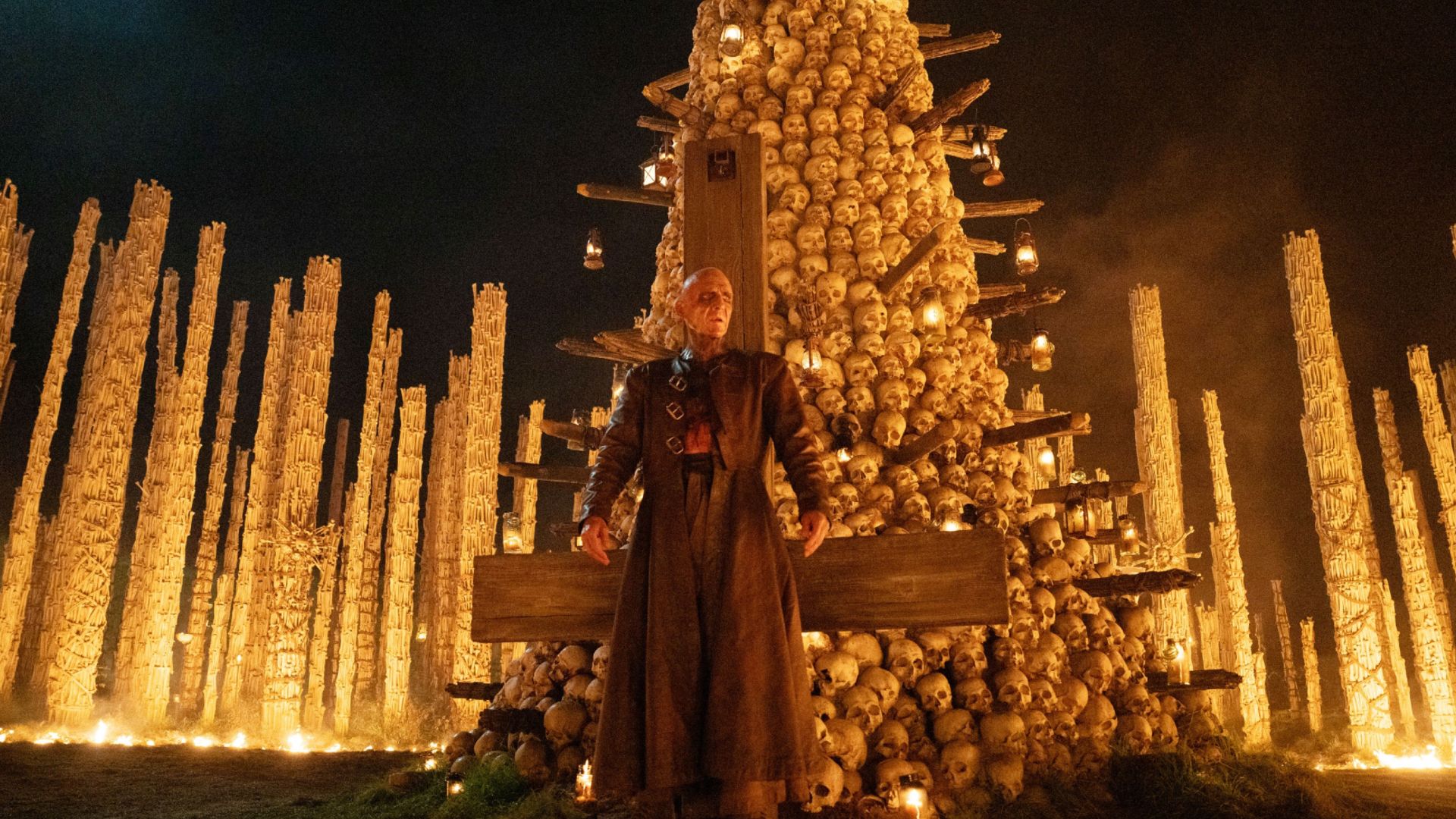
Nia DaCosta, director of 28 Years Later: The Bone Temple, recently spoke with MovieWeb about the significance of the film’s central landmark. The bone temple, first seen in Danny Boyle’s 28 Years Later, is a haunting memorial constructed by Kelson using the bones of those who died from the Rage Virus. DaCosta shared that she finds a strange beauty in the temple’s disturbing design.
To me, this place perfectly represents his philosophy: acknowledging our mortality actually helps us truly live, and remembering to love is equally important. The temple, built to honor the dead, is a powerful expression of that love. It’s about embracing both life and death, and finding meaning in remembering those we’ve lost.
Similar to the rest of the 28 Years Later series, The Bone Temple highlights both the best and worst aspects of human nature. Jimmy Crystal and his followers represent our capacity for cruelty, while Kelson embodies the potential for goodness even amidst widespread evil.
’28 Years Later: The Bone Temple’ Is a Dark Film With a Hopeful Ending
Sony Pictures
Alex Garland has described the first film in the 28 Years Later series as being about family, and the latest film, directed by DaCosta (The Bone Temple), explores the idea of evil. The planned third film will focus on redemption. Given the ending of The Bone Temple and hints that the series will move beyond its central location, DaCosta’s view – that the bone temple represents Kelson’s compassion for humanity – seems like the definitive explanation.
Jimmy Crystal was driven by a desire to destroy life, but the monument Kelson built to commemorate those lost serves as a reminder that life is valuable precisely because it doesn’t last forever, and should therefore be embraced. Although The Bone Temple is a dark movie, it ends on a hopeful note, suggesting a better future for the characters. This ending reinforces the director’s interpretation of Kelson’s unsettling creation, revealing a surprisingly touching message within it.

5 Questions
Found an error? Send it info@movieweb.com so it can be corrected.
Read More
- ‘Project Hail Mary’s Unexpected Post-Credits Scene Is Worth Sticking Around
- Total Football free codes and how to redeem them (March 2026)
- Limbus Company 2026 Roadmap Revealed
- The Division Resurgence Specializations Guide: Best Specialization for Beginners
- After THAT A Woman of Substance cliffhanger, here’s what will happen in a second season
- Brawl Stars Sands of Time Brawl Pass brings Sandstalker Lily and Sultan Cordelius sets, along with chromas and more
- Brawl Stars Brawl Cup Pro Pass arrives with the Dragon Crow skin and Chroma, unique cosmetics, and more rewards
- Clash of Clans April 2026 Gold Pass Season introduces a Archer Queen skin
- Wuthering Waves Hiyuki Build Guide: Why should you pull, pre-farm, best build, and more
- XO, Kitty season 3 soundtrack: The songs you may recognise from the Netflix show
2026-02-21 18:37