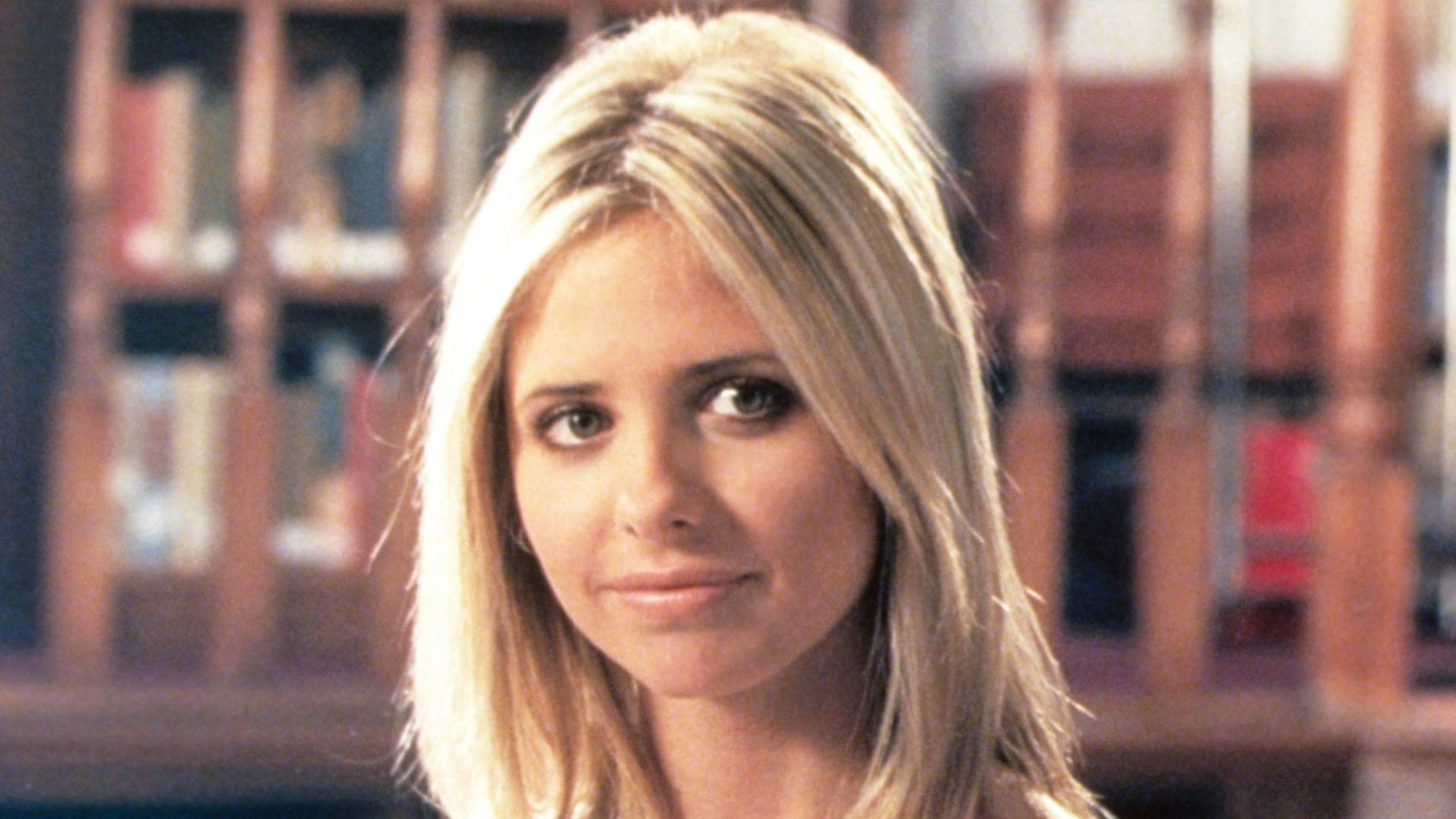
Even though Buffy the Vampire Slayer greatly impacted television, one episode stands out as particularly innovative. While The X-Files helped popularize supernatural dramas on American networks, Buffy the Vampire Slayer also played a significant role in establishing the genre.
Though inspired by The X-Files, Buffy the Vampire Slayer became a hugely influential show itself. Many popular series, like Supernatural, Grimm, Teen Wolf, Charmed, Riverdale, Lucifer, Veronica Mars, and The Vampire Diaries, likely wouldn’t exist without this 1990s hit.
As this list suggests, Buffy the Vampire Slayer had a significant impact that went beyond simply combining character-driven stories with supernatural themes. Some shows, like Veronica Mars, were particularly inspired by Buffy‘s quick, witty dialogue, rather than its unique blend of paranormal mysteries and teen drama.
Buffy the Vampire Slayer Season 4 Episode 10 Was Almost Entirely Silent
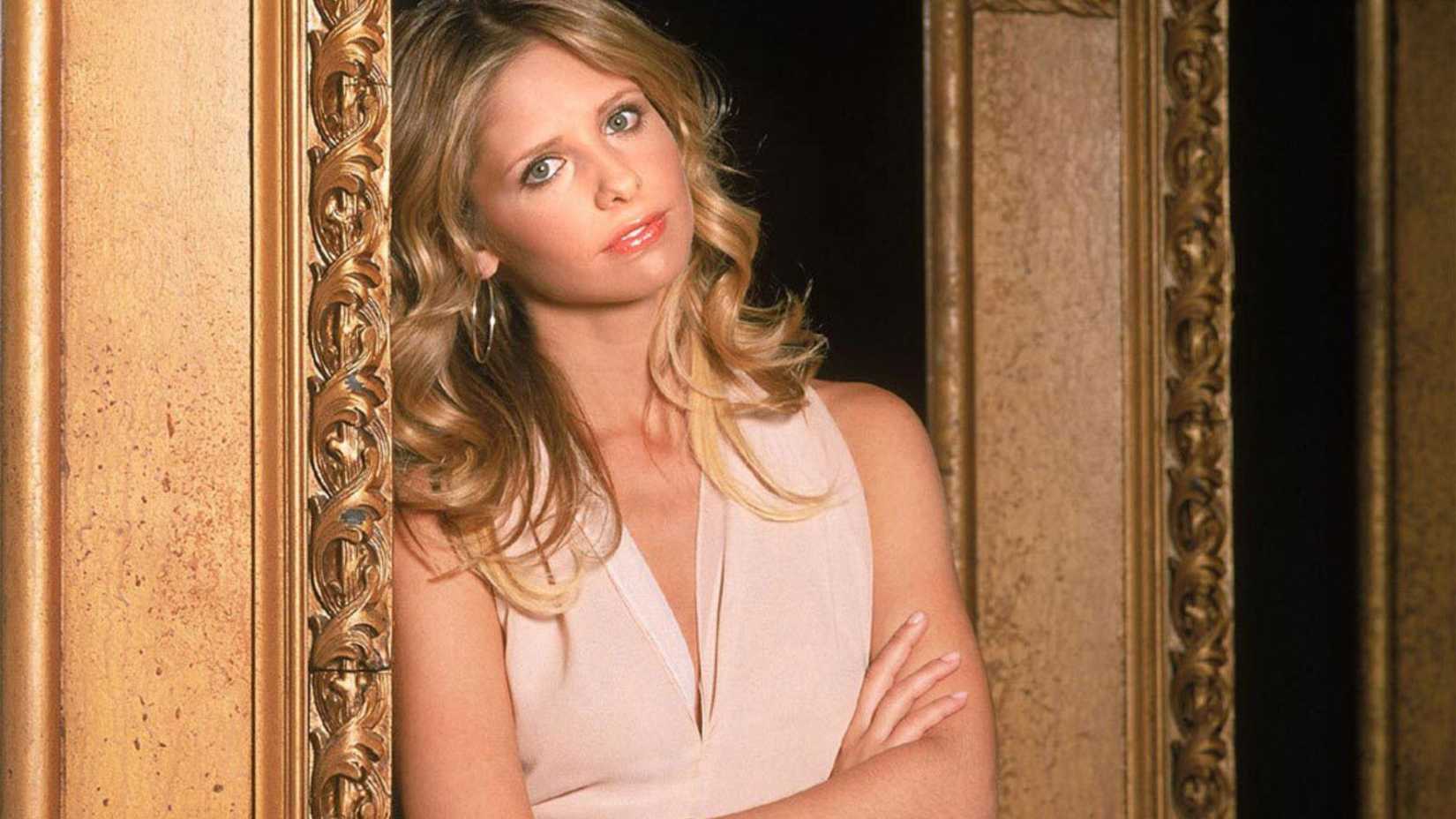
While Buffy the Vampire Slayer was hugely popular, not all critics loved its quick, clever dialogue. Some argued that the show depended too much on this snappy back-and-forth, and wouldn’t be as good without it.
Some might say there’s nothing wrong with a TV show focusing on strong dialogue – shows like Gilmore Girls and even The Sopranos, widely considered one of the best ever, valued good conversations between characters more than complicated storylines. Still, the creators of Buffy the Vampire Slayer felt this criticism needed to be addressed.
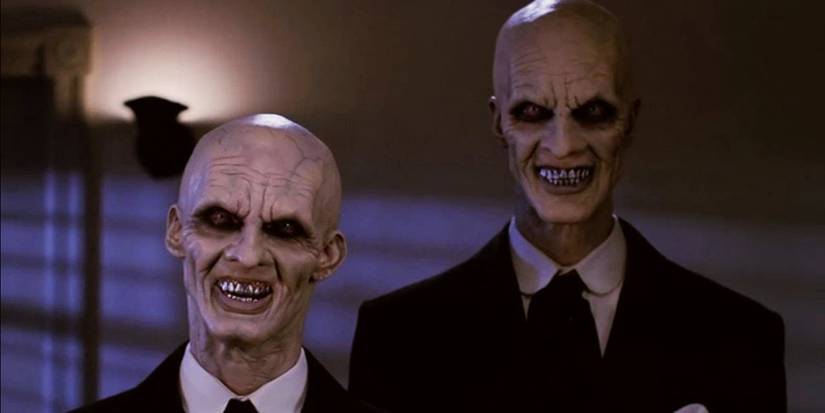
I still get chills thinking about Season 4, Episode 10, “Hush.” These creatures, The Gentlemen, were seriously unsettling – like something straight out of a nightmare. They came to Sunnydale and just… stole everyone’s voices! What really freaked me out was how they moved and looked, but that was just the start. This episode wasn’t just scary, it was incredibly creative and did things I hadn’t seen before.
The villains in “Hush” steal people’s voices, forcing the episode to rely almost entirely on visual storytelling. With less than 17 minutes of spoken dialogue, the story unfolds as a suspenseful and frightening silent film, drawing inspiration from classic horror movies like Nosferatu and The Cabinet of Dr. Caligari.
“Hush” Is One of Buffy The Vampire Slayer’s Greatest Episodes Ever
Drawing inspiration from old, silent horror films was a bold move for a TV show in the 1990s, but Buffy the Vampire Slayer was always willing to take risks. Interestingly, the episode most fans consider the show’s best isn’t a scary, intense hour or a deeply emotional story about being a teenager – it’s actually a creative and unexpected musical episode.
The show cleverly subverted typical genre tropes and audience expectations, leading to memorable episodes like “Hush.” While the villains are genuinely frightening, the episode’s true strength lies in how effectively it builds tension and fear around the simple idea of losing your voice, all within a short timeframe.
In the ‘Hush’ episode, the characters’ inability to speak allows the show to resolve several ongoing storylines. Long-held misunderstandings and unspoken feelings are finally revealed, creating a scary, yet deeply moving and captivating episode.
There Have Been Many Risky Silent Episodes Since “Hush”
Although “Hush” was widely praised when it first aired and continues to be popular, some people still don’t like it. These critics argue that the episode isn’t truly one of the best of Buffy the Vampire Slayer, but instead a clever trick that only gained attention because it was so different.
This opinion goes against the grain, especially considering how effectively the idea of losing one’s voice is woven into this episode and the overall story of season four. But the true sign of the episode’s impact is the trend it started: Buffy the Vampire Slayer’s bold experiment paved the way for other shows to create their own silent episodes.
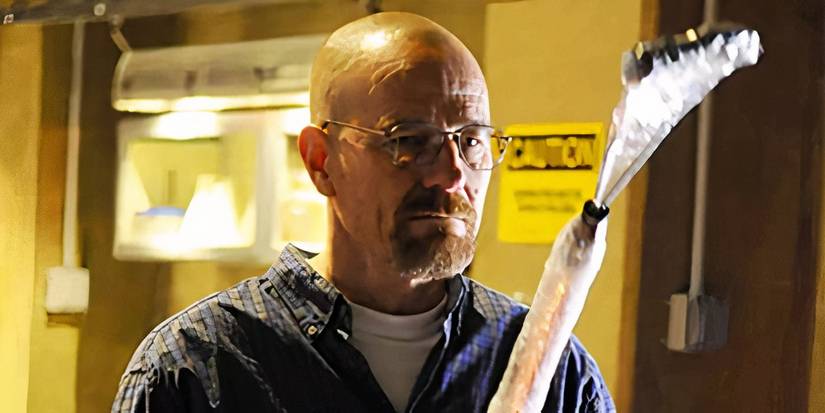
Two TV episodes are well-known for their minimal dialogue. The tenth episode of Breaking Bad‘s third season, titled “Fly” and directed by Rian Johnson (who later directed Knives Out), focused on Walter White trying to eliminate a fly in his lab with very little conversation. Similarly, the fourth episode of BoJack Horseman‘s third season, “Fish Out of Water,” had only a few brief moments of dialogue, primarily at the beginning and end.
Beyond the most famous examples, shows like The Bear, Mr. Robot, Only Murders in the Building, Evil, the X-Files revival, and Inside Number 9 also experimented with almost-silent episodes, following the lead of the show Hush. Ironically, Buffy the Vampire Slayer demonstrated that a show didn’t need constant dialogue, which then unexpectedly sparked a trend of episodes with very little talking.
Read More
- Invincible Season 4 Episode 4 Release Date, Time, Where to Watch
- Physics Proved by AI: A New Era for Automated Reasoning
- Gold Rate Forecast
- American Idol vet Caleb Flynn in solitary confinement after being charged for allegedly murdering wife
- Magicmon: World redeem codes and how to use them (March 2026)
- “Wild, brilliant, emotional”: 10 best dynasty drama series to watch on BBC, ITV, Netflix and more
- Total Football free codes and how to redeem them (March 2026)
- Goddess of Victory: NIKKE 2×2 LOVE Mini Game: How to Play, Rewards, and other details
- Seeing in the Dark: Event Cameras Guide Robots Through Low-Light Spaces
- Simulating Humans to Build Better Robots
2026-02-11 21:29