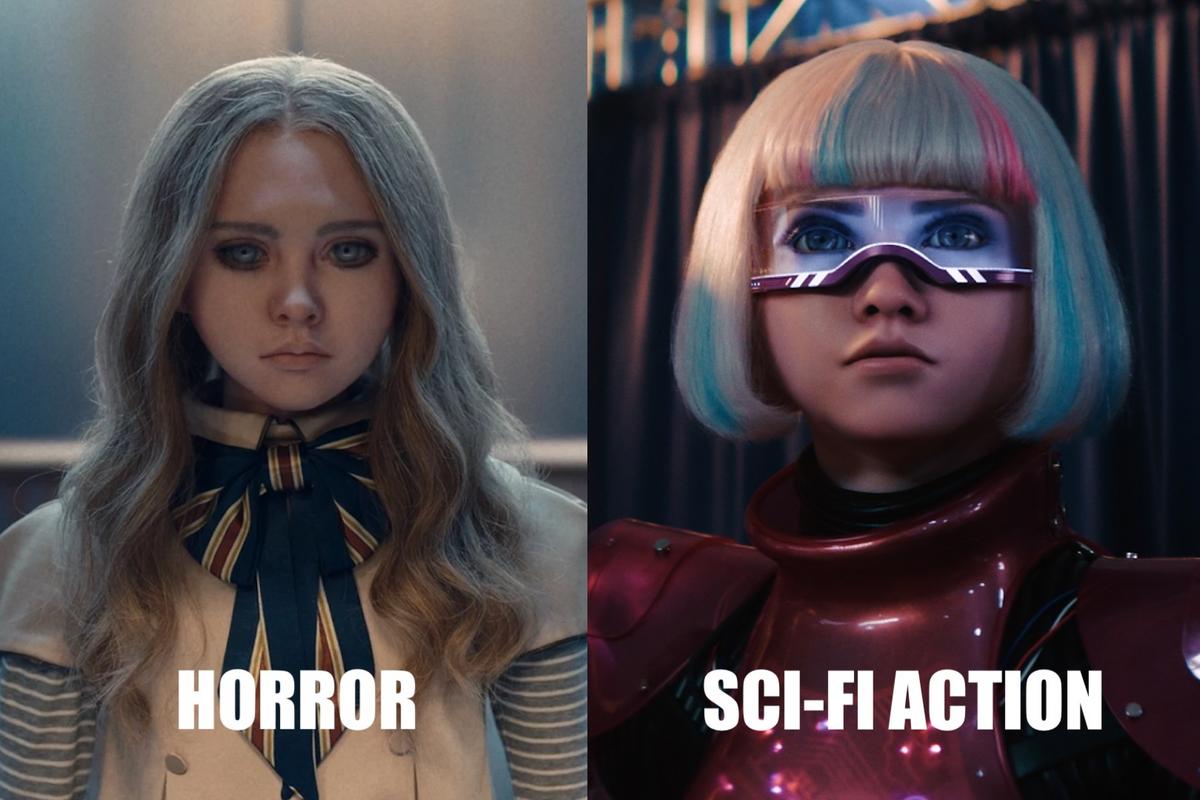
Hollywood loves making sequels, but rarely gets them right. It’s a constant struggle to decide how to approach them: Should they simply recreate the original? Completely change direction? Bring back the original actors? And even if they want to, can they afford them? Sometimes studios try to replace older actors with younger, less expensive ones. Plus, you never know – an actor might retire, then unexpectedly return… perhaps even playing a villain like Doctor Doom! There are just so many things to consider.
Sequels often try to feel both familiar and fresh. One way to do this is by changing the genre of the story. For example, a simple road trip movie could become an international spy thriller. A funny time travel adventure might turn into a western comedy. A scary science fiction horror could expand into a large-scale action movie. Even something frightening, like a creepy AI-powered toy, could become a funny and heroic robot.
These aren’t just made-up scenarios. They’re real examples from our list of 15 well-known sequels that significantly changed the direction of their original movies. Some of these changes were huge successes, turning good films into legendary series. Others completely lost the support of their fans. But there’s always another sequel – or even a reboot – that tries something new, and maybe, just maybe, it’ll finally hit the mark!
Sequels That Switched Genres
Rambo: First Blood Part II (1985)
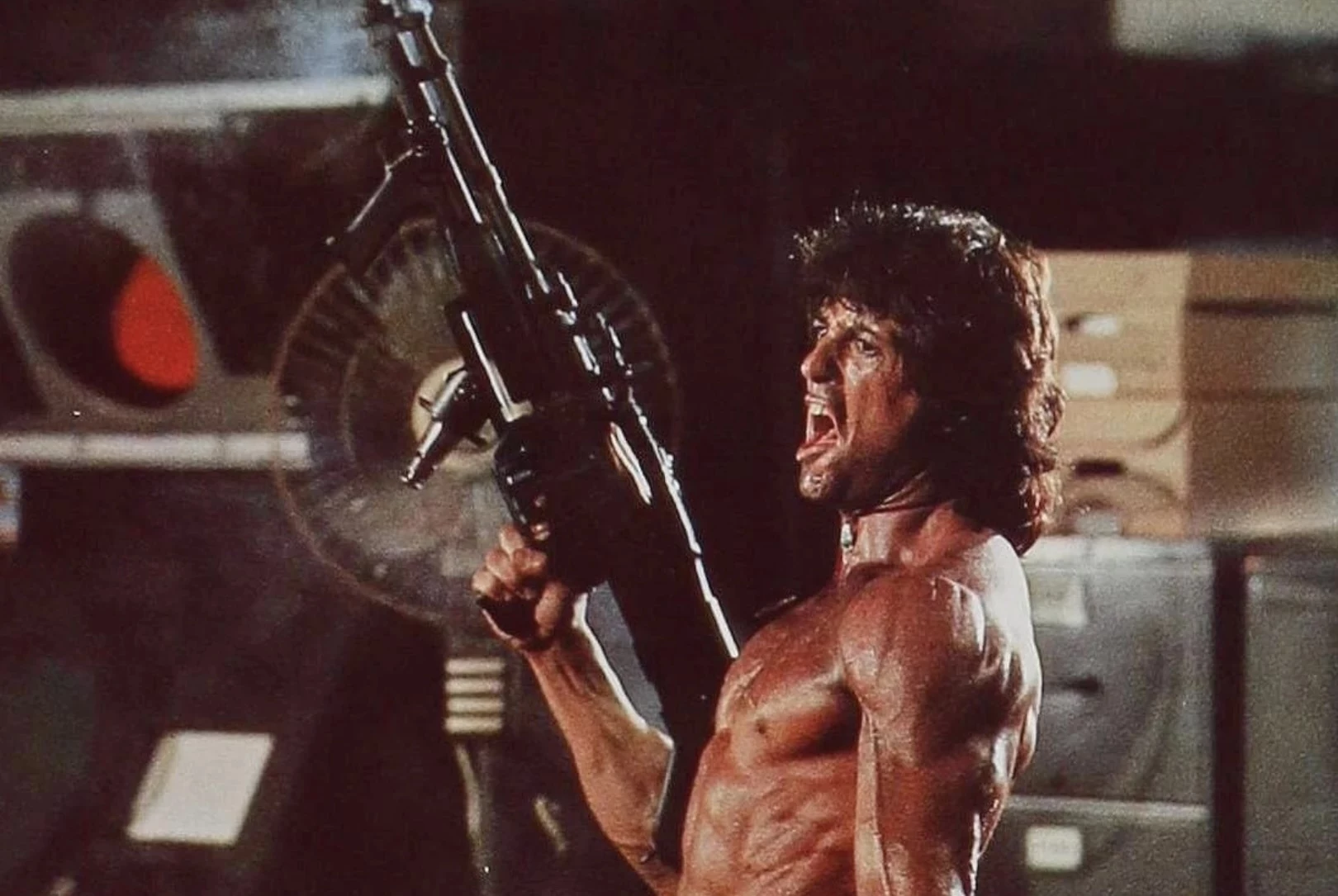
The original First Blood (1982) is an action drama that delves into the emotional struggles of Vietnam veteran John Rambo (Sylvester Stallone). Unlike typical action films, it ends with Rambo surrendering to the police after powerfully expressing the trauma of war and his difficult readjustment to life back home. The sequel, Rambo: First Blood Part II (1985), shifts gears, becoming a more traditional superhero story. In it, Rambo is freed from prison and returns to Vietnam – this time without a shirt – to rescue American prisoners of war, seemingly overcoming his previous emotional issues. While First Blood was successful, Rambo: First Blood Part II became a massive hit, earning $300 million worldwide and launching a long-running franchise with many imitators.
Aliens (1986)
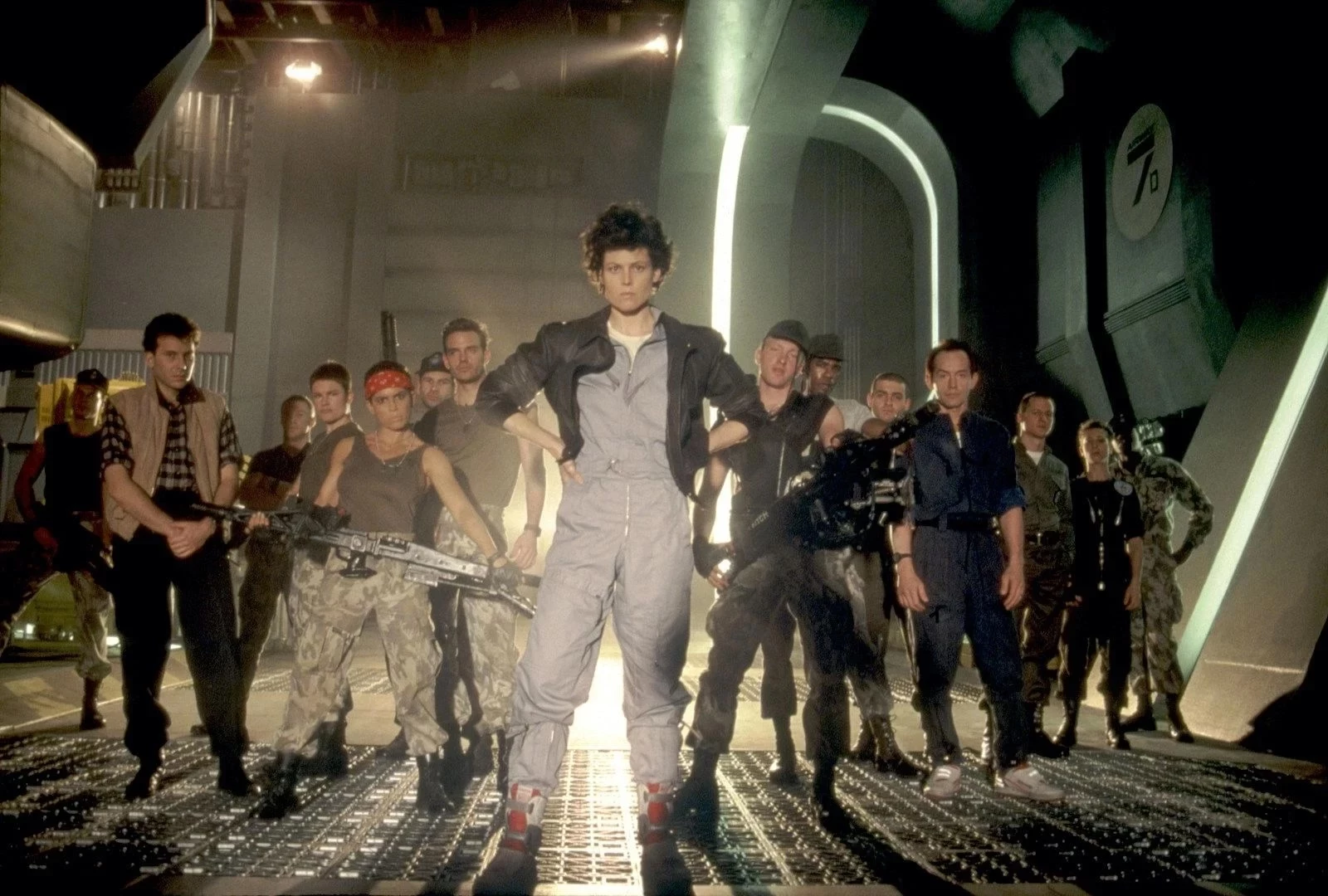
The original film, Alien (1979), is a sci-fi horror. Its sequel, Aliens (1986), falls into the sci-fi action genre. Director James Cameron famously pitched the sequel to Fox with a simple visual: he wrote “alien” on a piece of paper, added an “s” to make “aliens,” and then stylized the “s” to resemble dollar signs – “ALIEN$”. He got the job and created what many consider one of the best sequels ever made. While Ridley Scott’s Alien was tense and confined, Cameron’s Aliens is much larger in scale and features a full-blown invasion with numerous xenomorphs, rather than a single creature.
Back to the Future Part III (1990)
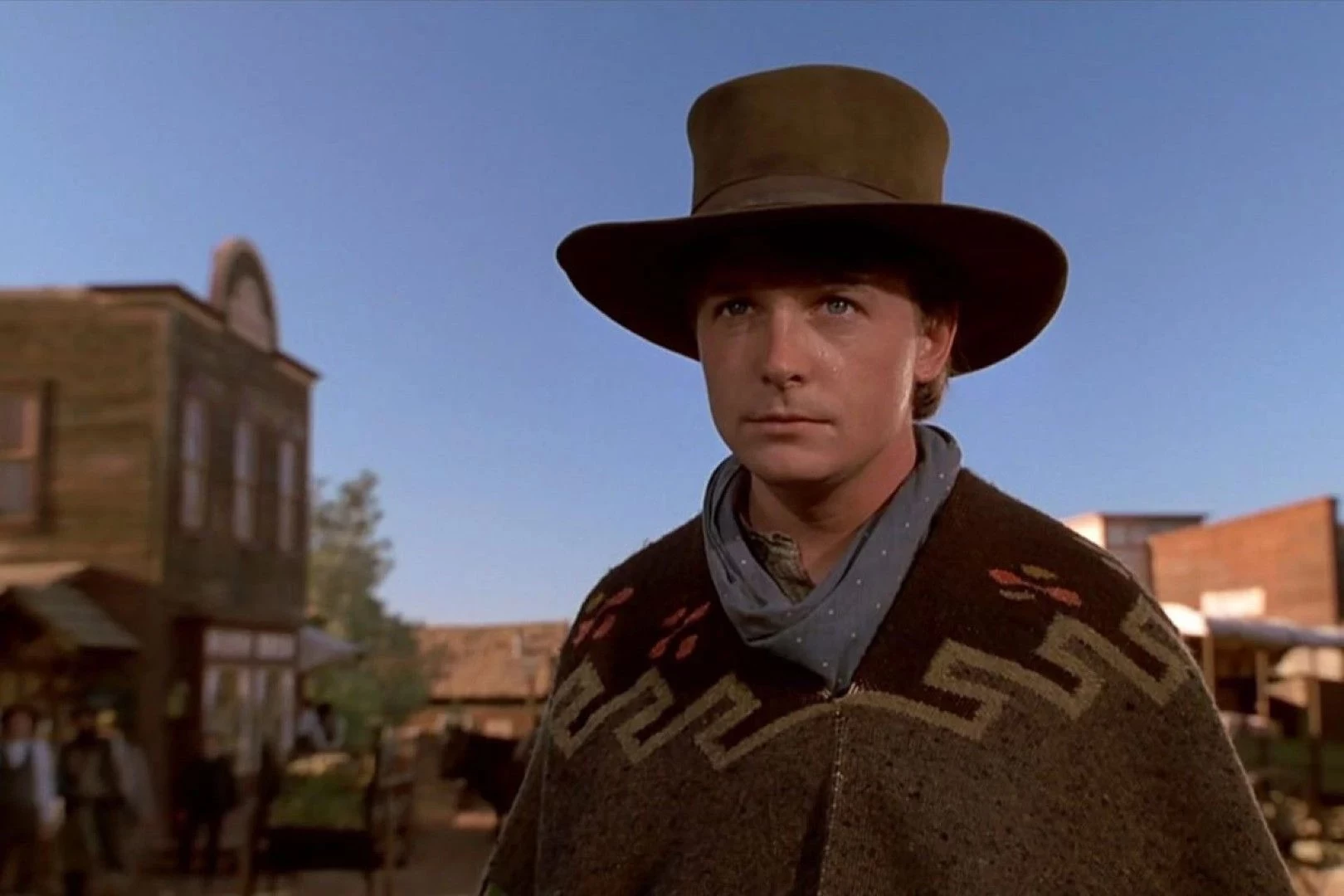
The original Back to the Future (1985) was a funny sci-fi movie about a teenager who accidentally travels back in time and encounters his parents as young adults. The series continued with a second film that built on the time-travel concept and added more futuristic elements. However, Back to the Future Part III (1990) took a surprising turn into the Western genre. While playfully poking fun at Western tropes like gunfights and horses, the film also embraced and celebrated them, even including a thrilling runaway steam train sequence.

Gremlins 2: The New Batch (1990)
The original Gremlins (1984) was a surprisingly dark film for kids, and it actually led the MPAA to create the PG-13 rating to better categorize movies between family-friendly PG and mature R-rated content. The sequel, Gremlins 2: The New Batch (1990), didn’t cause the same kind of stir. Director Joe Dante intentionally changed the tone of the second film, aiming for the chaotic energy of a Looney Tunes cartoon—he even brought in animator Chuck Jones to create new Looney Tunes segments. The Gremlins in the sequel were less scary and much more comical—one even parodies a scene from the movie Marathon Man—and the film embraced a wildly unpredictable style, featuring cameos that directly addressed the audience, including appearances by Hulk Hogan and film critic Leonard Maltin.
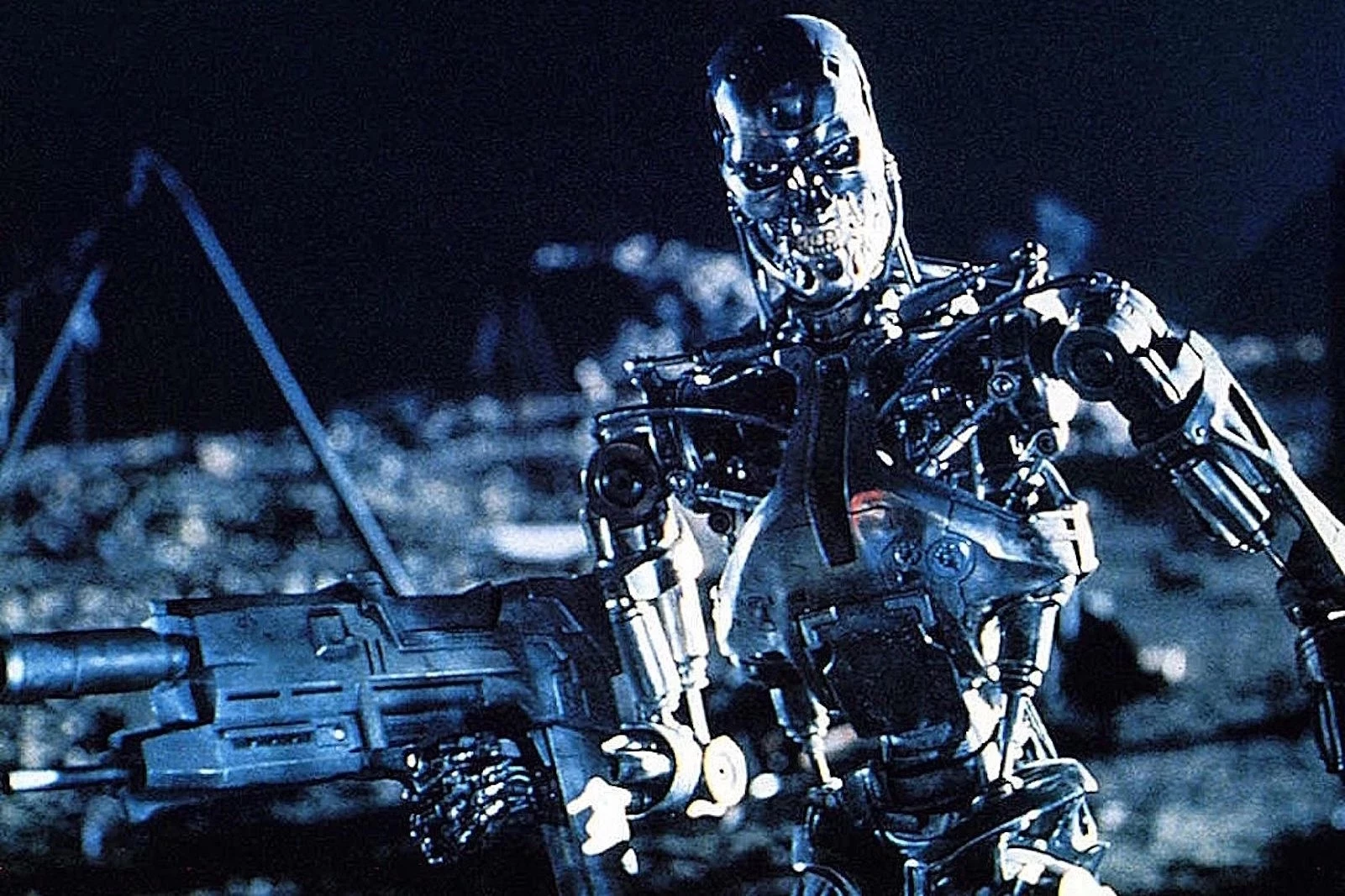
Terminator 2: Judgment Day (1991)
The original Terminator (1984) was a sci-fi horror film. Its sequel, Terminator 2: Judgment Day (1991), shifted genres to sci-fi action. Director James Cameron has a knack for reimagining sequels, as he did with Aliens after Ridley Scott’s Alien. With T2, he leveraged the success of the first film to secure a much larger budget, transforming the franchise from a low-budget indie into a blockbuster spectacle.
T2 significantly expanded the scope of the original with bigger effects, more action sequences, and multiple Terminators – not only Arnold Schwarzenegger’s character, but also Robert Patrick’s shape-shifting T-1000. T2 essentially redefined the series, and every sequel since has attempted to emulate it, with the exception of Terminator Salvation, a war film set in the future of the saga, which could also be considered a significant departure.
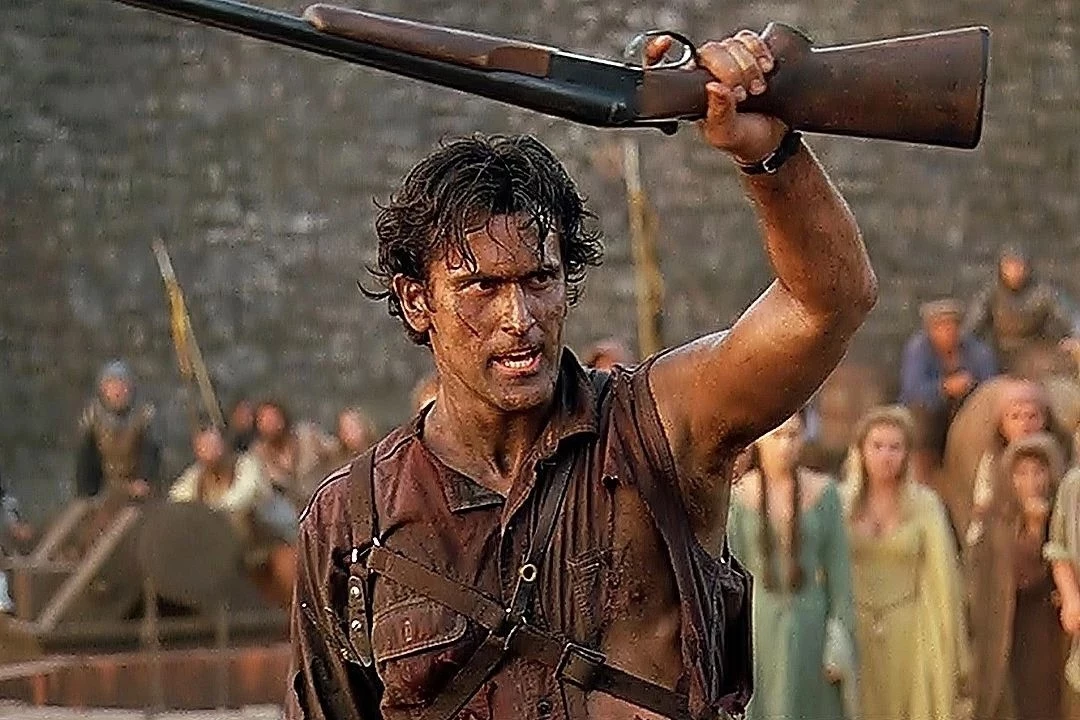
Army of Darkness (1992)
The original Evil Dead (1981) was a classic horror film. Its sequel, Army of Darkness (1992), shifted gears into horror comedy. While the first film was straightforward terror, Evil Dead II started mixing in slapstick humor. Army of Darkness really leaned into the comedy, feeling like a blend of the Three Stooges and the special effects work of Ray Harryhausen—and that’s meant as a compliment! Though some scary moments remain, the third Evil Dead movie is largely an opportunity for director Sam Raimi to showcase Bruce Campbell’s comedic timing and deliver over-the-top special effects. It’s incredibly fun and a significant departure from the earlier, darker films—which were also enjoyable in their own right.
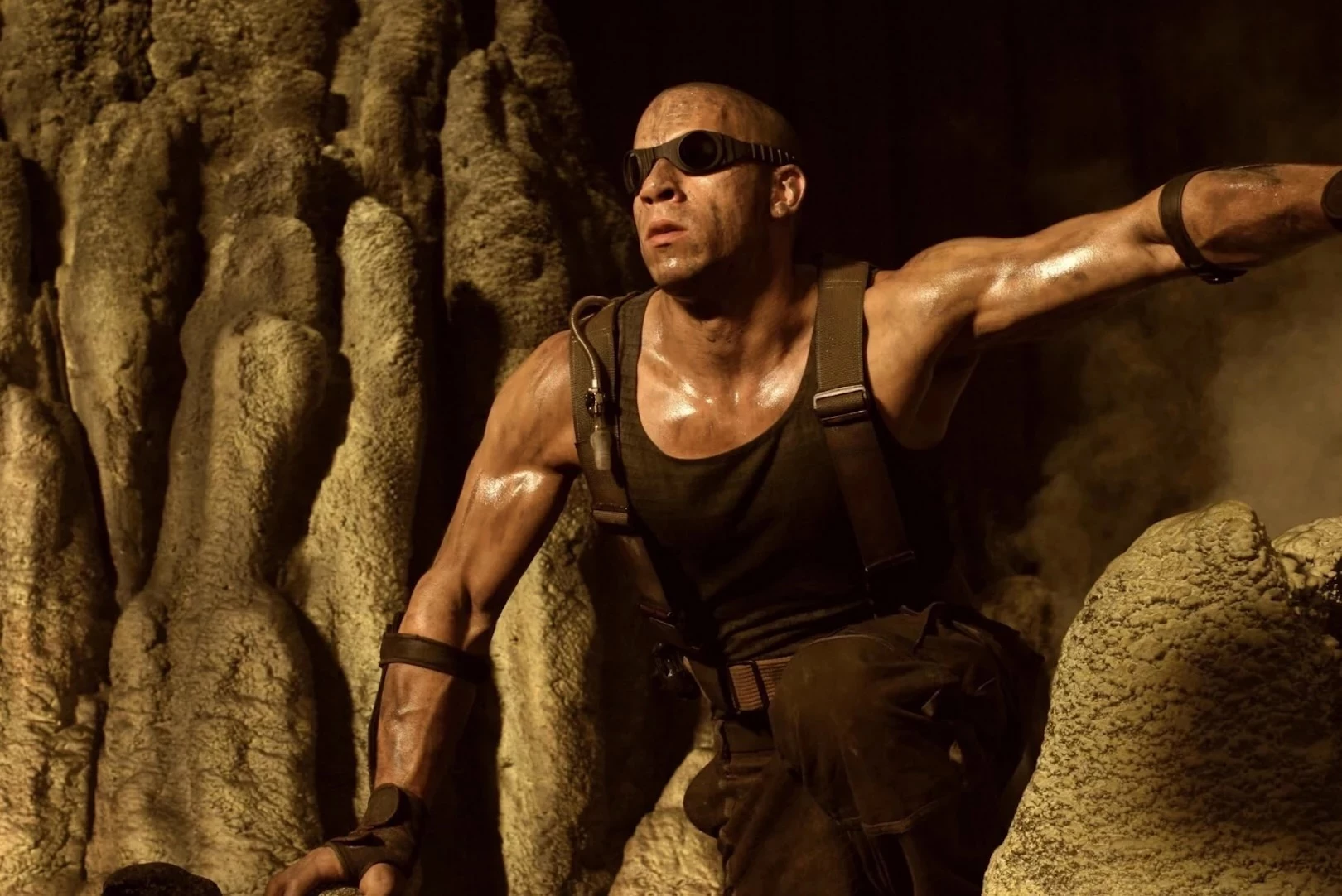
The Chronicles of Riddick (2004)
The movie The Chronicles of Riddick (2004) was designed as a large-scale sci-fi action film for Vin Diesel, released after the success of the first Fast & Furious movie. While it’s a sequel to Pitch Black (2000), this connection wasn’t heavily emphasized. Pitch Black was a smaller, more focused horror film about a group of space travelers stranded on a dangerous planet with hostile aliens. Following the massive success of The Fast and the Furious, Vin Diesel and director David Twohy were able to significantly increase the budget and scope of the sequel, transforming it from a survival horror into a grand space war epic.

The Devil’s Rejects (2005)
As a horror fan, I always find it interesting how sequels can really change things up. Rob Zombie’s House of 1000 Corpses from 2003 is a pretty classic slasher – just a group of teens getting terrorized by a seriously messed-up family. But then the sequel, The Devil’s Rejects (2005), flips the script. Instead of being simple villains, that family becomes the focus – we’re actually following them as they’re hunted by the police for what they did. I think The Devil’s Rejects really works, even though it’s incredibly dark. But honestly, it’s so different in tone and style from House of 1000 Corpses that it doesn’t shock me when someone who enjoyed the first one doesn’t connect with the second.
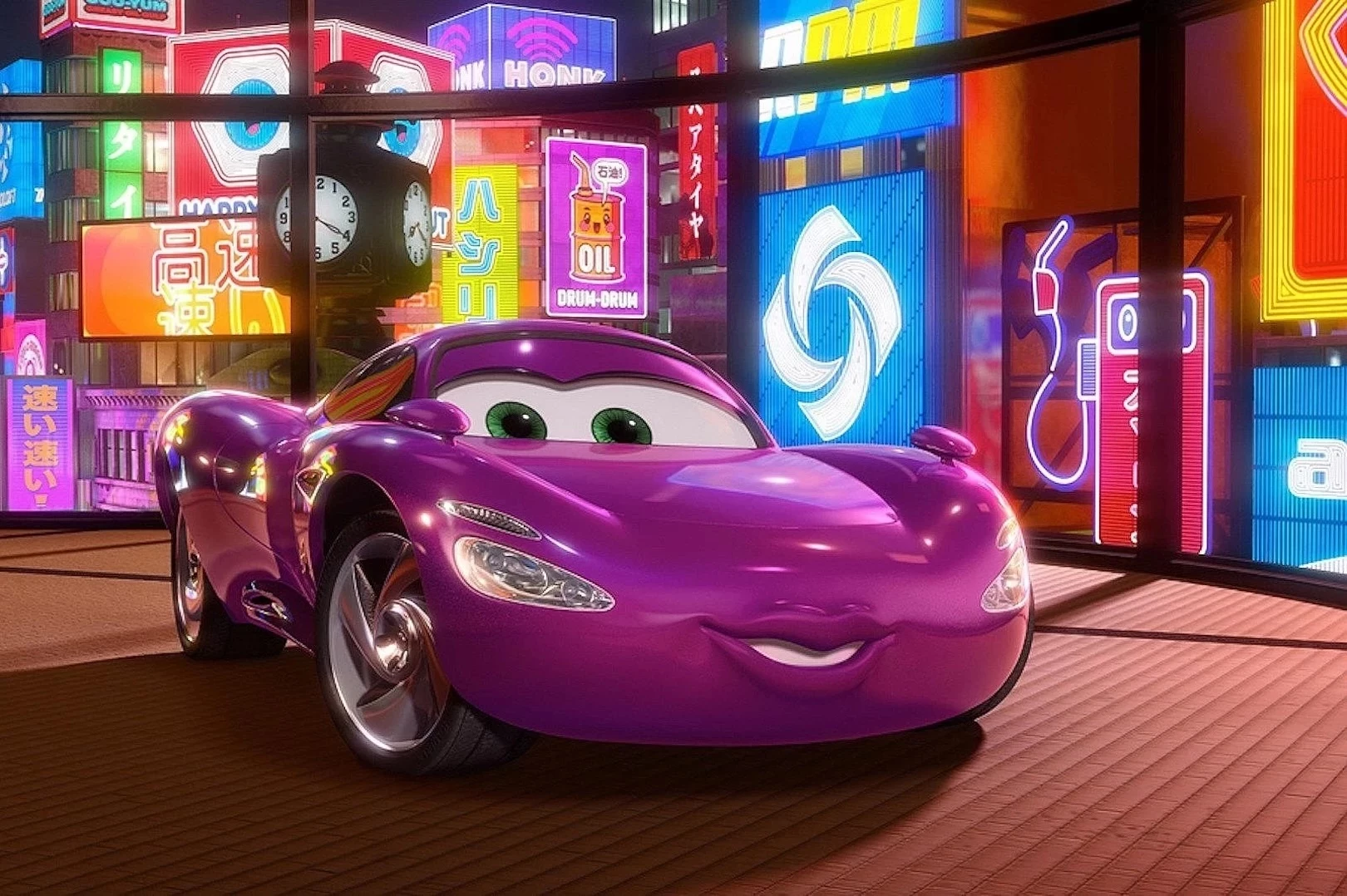
Cars 2 (2011)
The original Cars (2006) was a road movie centered around racing, with a touch of small-town charm. However, the sequel, Cars 2 (2011), took a sharp turn into the spy genre. It unexpectedly made Mater, the comedic tow truck character, a central character alongside Lightning McQueen. The shift was confusing – why was Mater a spy? Why did the cars even need to be spies, or eat food for that matter? These questions remain unanswered, making the sequel a strange departure from the original.
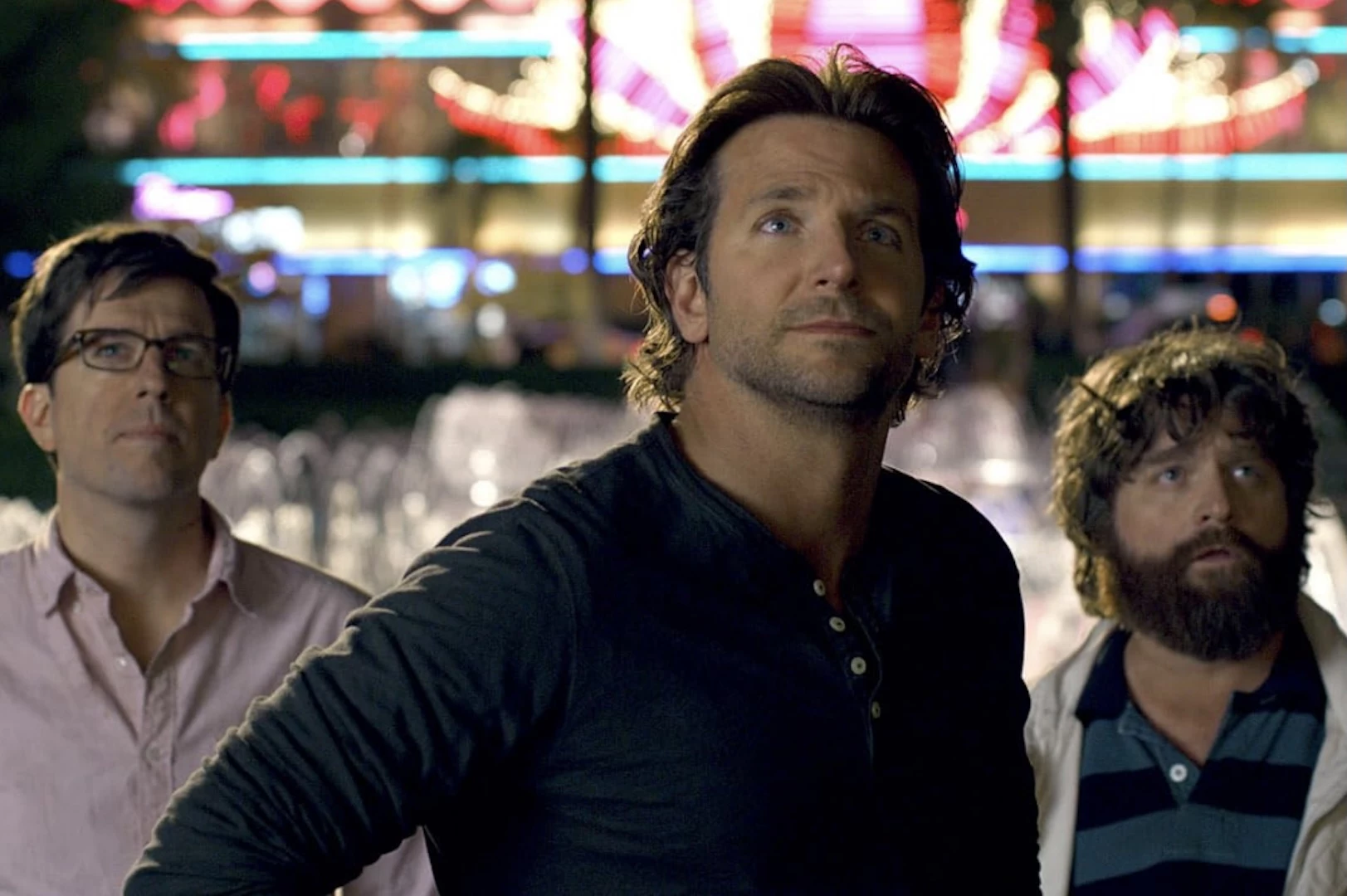
The Hangover Part III (2013)
The original Hangover (2009) was a comedy with a clever setup: three friends wake up in Vegas after a wild night with no memory of what happened and a friend missing. The second film followed a similar formula in a new setting. However, The Hangover Part III (2013) took a different approach. It abandoned the mystery and big comedic moments that defined the first two movies. Instead, it’s a much darker and more serious adventure that barely feels like a comedy. In this installment, the group, known as the “Wolfpack,” is forced to work for a gangster (John Goodman) due to the consequences of their past actions. While director Todd Phillips deserves credit for trying something new, audiences weren’t happy with the darker tone, and the film performed significantly worse at the box office than the previous installments.

Captain America: The Winter Soldier (2014)
The first Captain America movie, released in 2011, was a classic war story with superhero and science fiction themes. However, the series evolved with its 2014 sequel, Captain America: The Winter Soldier. While still a Marvel film, the sequel shifted genres, becoming a modern, paranoid thriller. It drew inspiration from films like Three Days of the Condor and The Bourne Identity, blending that style with the familiar Marvel action we expect.

Split (2016)
The film Unbreakable (2000), a drama, unexpectedly connects to the 2016 psychological horror film Split. Director M. Night Shyamalan intentionally kept this connection secret, revealing at the end of Split that its villain, “The Horde,” exists in the same universe as Bruce Willis’ character, David Dunn, from Unbreakable. While Unbreakable was a suspenseful drama, Split leaned into horror. Both films eventually converged in a final sequel, Glass, completing the trilogy.
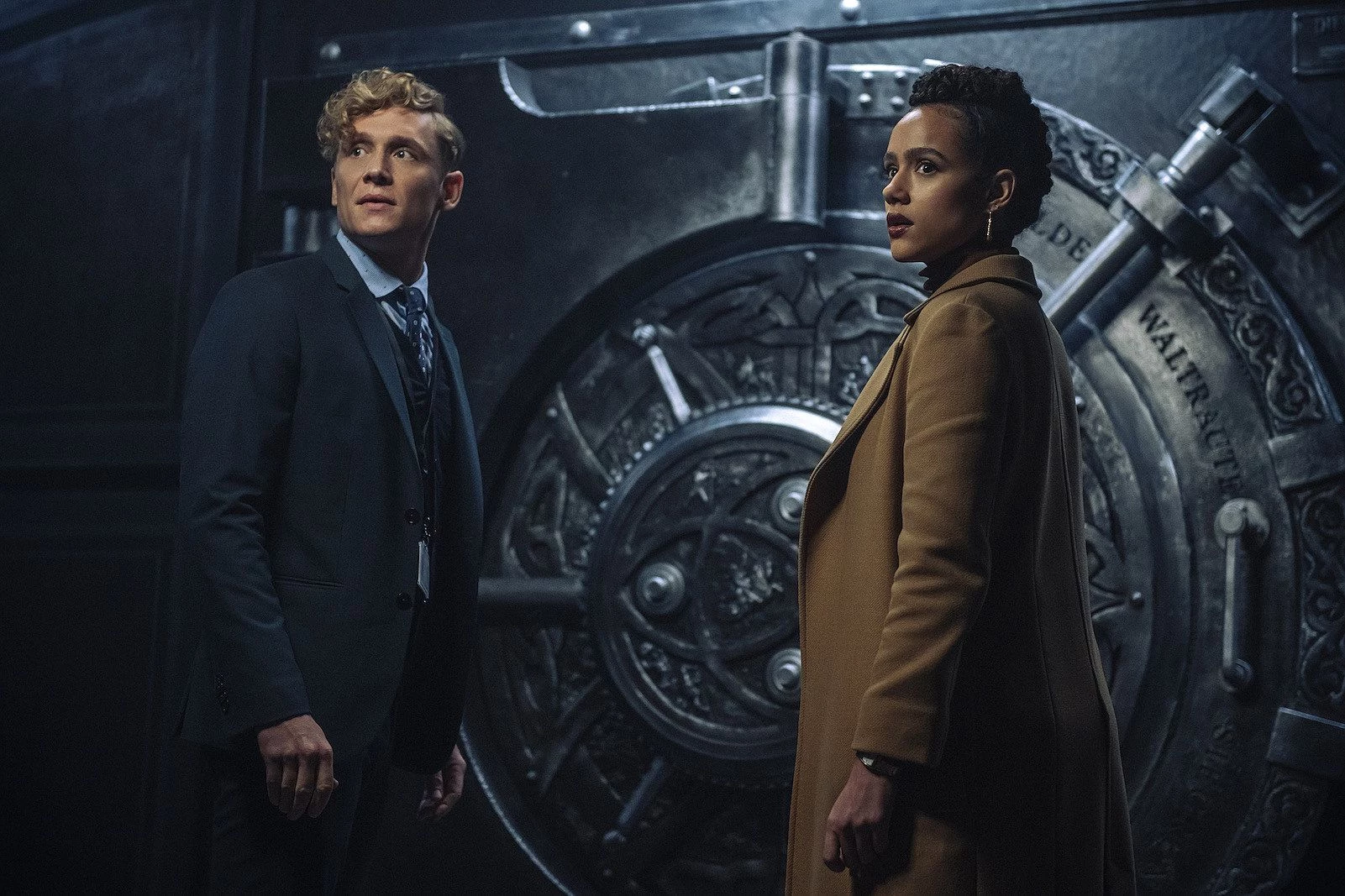
Army of Thieves (2021)
The movie Army of the Dead (2021) is a survival horror film. Its sequel, Army of Thieves (2021), falls into the crime genre. While technically a prequel, Army of Thieves offers a different story. Zack Snyder’s Army of the Dead focused on a military-style mission to rob a casino during a zombie outbreak. Army of Thieves, released shortly after, tells the story of a heist that takes place before the events of Army of the Dead, focusing on one of the characters from the original film (played by Matthias Schweighöfer) and a more traditional robbery.
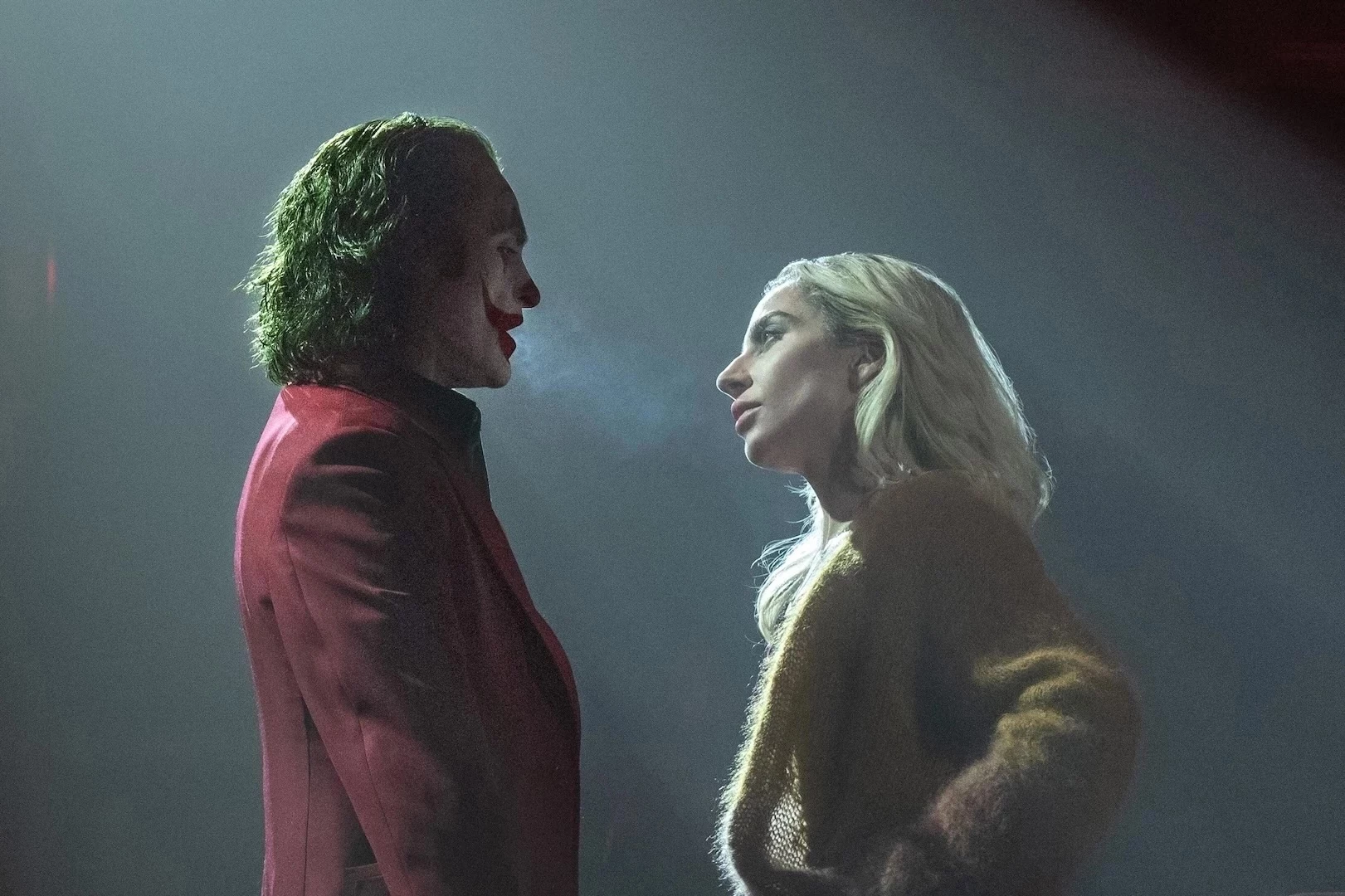
Joker: Folie à Deux (2024)
The original film, Joker (2019), was a psychological thriller. Its sequel, Joker: Folie à Deux (2024), takes a surprisingly different turn as a musical. Director Todd Phillips, similar to James Cameron, enjoys challenging audience expectations with his sequels. While it’s admirable that he took such a risk with Joker: Folie à Deux – a dark musical about the Joker’s trial – the change in direction didn’t resonate with viewers. The sequel flopped, performing very poorly compared to the massive success of the original Joker.

M3GAN 2.0 (2025)
The original film, M3GAN (2022), was a surprisingly successful horror movie, praised for its witty humor and its use of artificial intelligence as a terrifying villain. The sequel, M3GAN 2.0 (1990), attempted a similar transformation to Terminator 2, aiming for a larger-scale, action-packed film with some horror elements. However, unlike T2, this approach didn’t work for M3GAN 2.0. The sequel lacked the humor and excitement needed to support its silly plot and drastic change in tone and style.
The Worst Blockbusters of 2025

10. Captain America: Brave New World
Many recent Marvel films have talented actors but weak stories, and Captain America: Brave New World is a prime example. While it finally gives Anthony Mackie’s Sam Wilson his own movie, it’s let down by a dull villain and a plot that relies too much on references to the poorly-received The Incredible Hulk. The film strangely focuses on events from that 15-year-old movie – did audiences really need to know what happened with Betty Ross all this time?

9. Jurassic World Rebirth
Can a Jurassic Park sequel ever truly be good? After so many attempts, it feels like we’d have one by now. Jurassic World Rebirth is a slight improvement, but that’s like saying a sprained ankle is better than a broken foot – it’s better, but still far from great. The movie offers more dinosaurs and more problems, with a new cast including a mercenary played by Scarlett Johansson who has some PTSD, and a paleontologist played by Jonathan Bailey who lost his job because people aren’t interested in dinosaurs anymore. If that’s true, the Jurassic World series, which has produced four mediocre films in the last eleven years, has only itself to blame.

8. Karate Kid: Legends
This movie borrows so heavily from the original Karate Kid – it feels like a repeat of the same story. It includes all the familiar elements: a young man and his single mother moving to a new city, a budding romance with a girl whose jealous ex-boyfriend attacks him, and a martial arts tournament where he must learn new skills using everyday objects. It doesn’t stop there, though. The film also mashes together the storylines of both previous Karate Kid movies, even though they don’t really fit together. It seems a unique story wasn’t a priority – the focus was clearly on bringing together as many recognizable stars as possible.

7. Snow White
I have to admit, Disney really tricked me with this new Snow White. I went in with my daughter expecting a straightforward fairytale, and was completely surprised when the characters suddenly started singing! It was actually one of the better parts of the remake – I even liked Gal Gadot as the Evil Queen. But honestly, the CGI dwarfs were just…weird. Dopey, in particular, looked like a bizarre AI experiment – like if Alfred E. Neuman had a modern makeover. Everything with them felt off, and the attempts to make Snow White more proactive, even with her still needing that iconic nap, just dragged down what was otherwise a visually and aurally appealing movie.

6. Anaconda
Big-screen comedies are really struggling. Looking at 2025, most were just reboots of old movies – even Anaconda, which wasn’t originally a comedy! This new take stars Jack Black and Paul Rudd as two friends and movie buffs who finally get a chance to make their dream film when Rudd buys the rights to remake Anaconda. The movie starts well with some charming scenes between the leads and supporting cast, but things quickly fall apart when they head to Brazil to film with a tiny budget. The movie’s quality declines along with their luck, and despite the actors’ best efforts, a weak script filled with bizarre plot points – like illegal gold miners and giant snakes – leaves you wishing both the film and the genre deserved better.

5. The Alto Knights
It’s still baffling why Robert De Niro played both main characters in The Alto Knights. It’s common to see an actor play twins, clones, or even a father and son who look alike. But De Niro played two completely unrelated men, which was a strange choice. This didn’t add anything to the film except potentially a huge expense in special effects and a marketing gimmick – Warner Bros. could advertise it as De Niro fighting De Niro. Beyond that, this gangster movie, written by Nicholas Pileggi (of Goodfellas) and directed by Barry Levinson (Bugsy), didn’t offer much new or exciting.

4. M3GAN 2.0
Wow, the new M3GAN movie really missed the mark. The first one was a fun, lighthearted horror-comedy, but the sequel was just… confusing. It wasn’t funny, barely scary, and the plot – something about fighting bad AI with slightly better AI – felt completely off. It seems like they tried to turn a charming little movie into a huge summer blockbuster, and it just didn’t work. It’s a mess, honestly.

3. Fountain of Youth
Look, I get that Fountain of Youth boasts a seriously impressive cast – John Krasinski, Natalie Portman, directed by Guy Ritchie – but honestly, all that talent couldn’t save it from feeling like a gorgeous, but ultimately empty, screensaver. It’s the kind of movie that just happens to be on your TV, but it’s so predictable and by-the-numbers, it almost feels like it wasn’t meant to be actively watched. The plot? Estranged siblings (Krasinski and Portman) hunt for the Fountain of Youth. What we get is a frustrating blend of Indiana Jones, Uncharted, and a surprisingly dull travelogue. It feels like this movie is entirely banking on viewers who are already locked into a subscription service and just looking for something – anything – to watch to feel like they’re getting their money’s worth.

2. The Electric State
There was a lot of talk about the $320 million Netflix reportedly spent on this sci-fi film by the Russo brothers, and it feels like an excessive amount. Even if it had cost half that, it still wouldn’t have been worth it. The Electric State simply doesn’t look good – the characters and visuals are bland and uninspired. The film follows a young woman (Millie Bobby Brown) traveling through a world filled with robots to find her brother, aided by Chris Pratt, who seems to be playing a familiar, world-weary action hero with a questionable haircut. The movie’s core story, based on a book I haven’t read, doesn’t make much sense, but even that could be overlooked if the film was at least visually engaging. Unfortunately, it isn’t.

1. Star Trek: Section 31
While I’ve seen all the Star Trek movies, I haven’t watched every episode of the TV shows. However, Star Trek: Section 31 is easily the worst of everything I’ve seen. It just looks and feels cheap, with poor dialogue and confusing action. What’s most disappointing is that it seems to think cool spaceships and weapons are what make Star Trek special. But the heart of Star Trek – what made it great – was its hopeful outlook and focus on big ideas. Why watch a Star Trek that’s just as shallow as any other sci-fi action movie?
Star Trek used to lead the way in science fiction, inspiring other franchises with its unique characters, stories, and designs. But Section 31 – which feels like a copy of Guardians of the Galaxy and an attempt to make Star Trek more like Marvel – shows those days are gone.
Read More
- Clash Royale Best Boss Bandit Champion decks
- Vampire’s Fall 2 redeem codes and how to use them (June 2025)
- Mobile Legends January 2026 Leaks: Upcoming new skins, heroes, events and more
- M7 Pass Event Guide: All you need to know
- Clash Royale Furnace Evolution best decks guide
- World Eternal Online promo codes and how to use them (September 2025)
- Clash Royale Season 79 “Fire and Ice” January 2026 Update and Balance Changes
- Best Arena 9 Decks in Clast Royale
- Clash of Clans January 2026: List of Weekly Events, Challenges, and Rewards
- Best Hero Card Decks in Clash Royale
2026-01-07 19:01