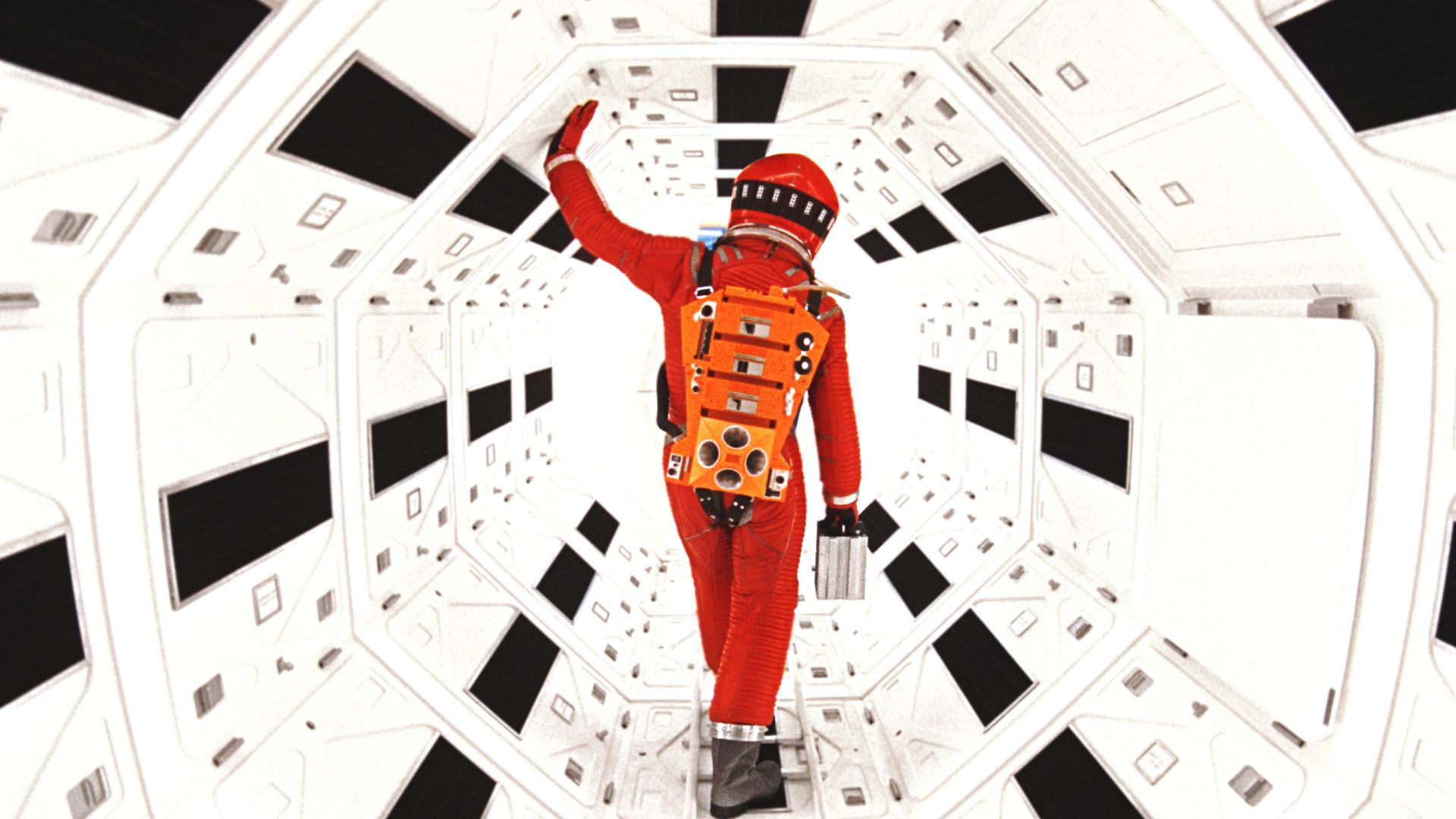
Science fiction has always been a way to think about where humanity is headed – whether by imagining a future based on where we are now, or by using fantastical stories to reveal deeper truths about the present. Unlike other genres, it’s uniquely focused on predicting what might happen next. Even seemingly far-fetched ideas, like flying cars, can contain surprisingly accurate insights. And with technology growing so rapidly – especially in areas like artificial intelligence – the questions science fiction raises about our future are more important than ever.
These films either accurately foreshadowed future events or expressed feelings that would later become common. Here are 14 quotes from science fiction movies that seem to have predicted the future.
‘Her’ (2013)
“She’s Not Just a Computer” – Theodore Twombly
Warner Bros. Pictures
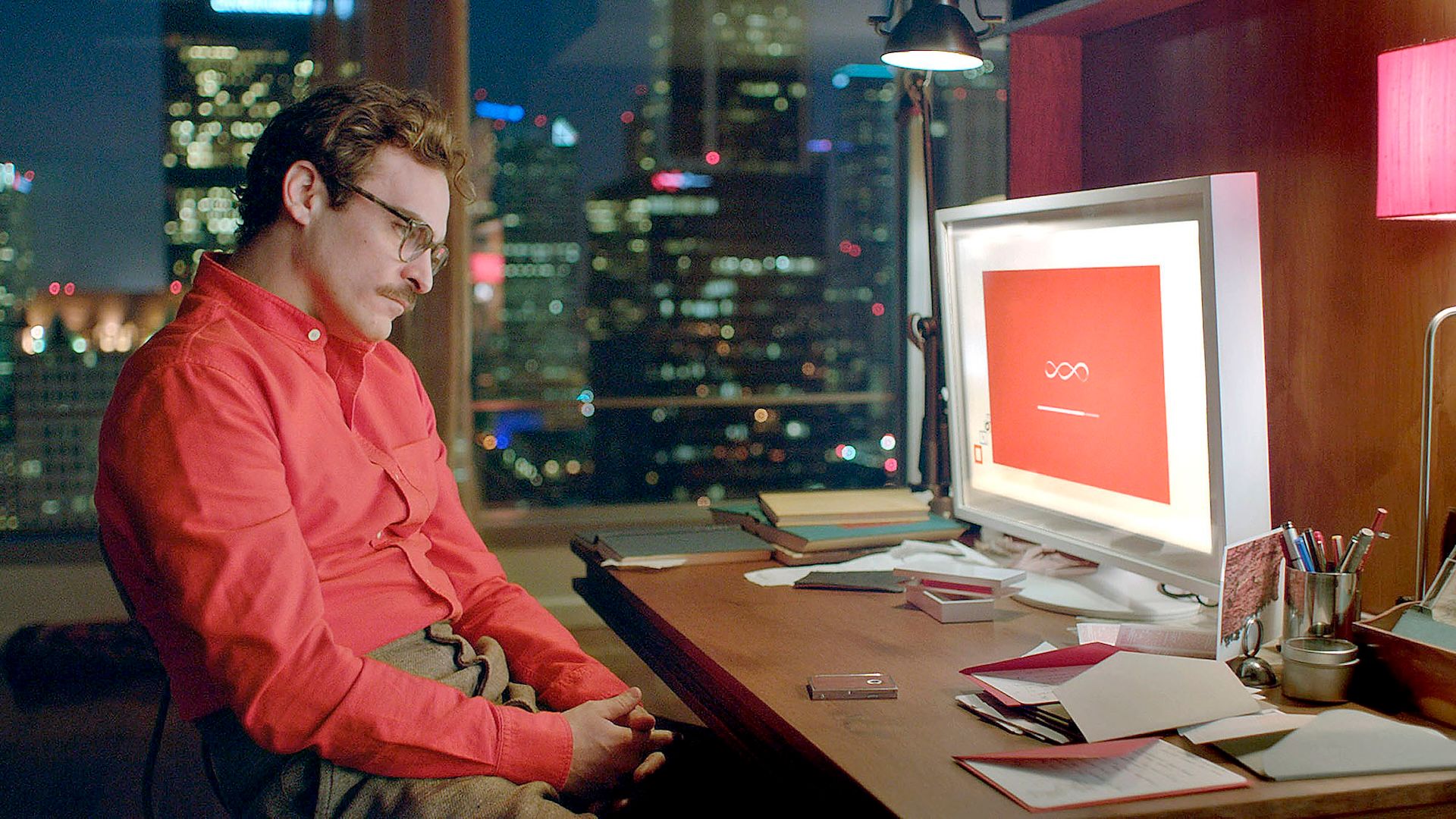
Although the themes in the film Her weren’t necessarily predicting the future when it was made, the film’s central message has become increasingly impactful and relatable. The story follows Theodore Twombly, brilliantly portrayed by Joaquin Phoenix, as he develops a romantic relationship with an artificial intelligence, genuinely seeing her as a real person.
Recent studies from 2025 indicate a growing number of people are seeking personalized connections with AI. PR Newswire reports that among adults over 30, 15% of men and 10% of women have engaged in conversations with AI designed as romantic partners. It seems that for those feeling lonely, AI is becoming more than just a technological tool – it’s becoming a companion.
‘Hackers’ (1995)
“Information wants to be free.” – Joey Pardella (a.k.a. Zero Cool / Crash Override)
MGM/UA Distribution Co.
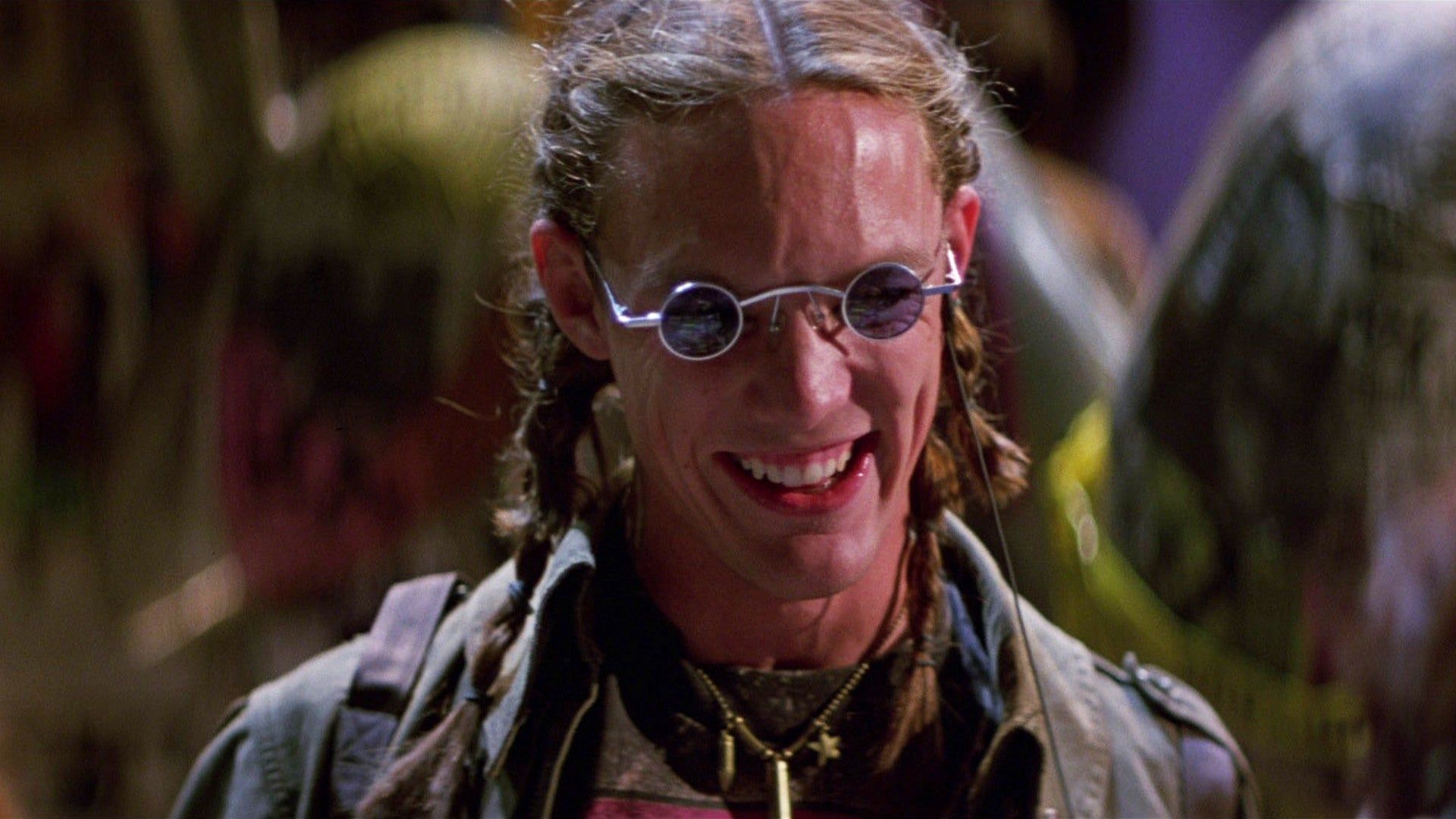
The internet has changed dramatically since 1995, in countless big and small ways. While the sci-fi thriller Hackers might seem a bit dated now, one line from the movie – a plea for open and free information – still rings true and feels surprisingly relevant today.
Across the globe and regardless of political views, there’s a constant effort to limit or manage what people know. Even the way algorithms create echo chambers is now used to control the stories we see. Those in power generally prefer information isn’t freely available – whether they’re charging for it, twisting it to fit their agenda, or simply hiding it. Despite this, many people are still fighting for open access to information, and the famous quote from the movie Hackers – about the importance of free information – still rings true today.
‘2001: A Space Odyssey’ (1968)
“I’m sorry, Dave. I’m afraid I can’t do that.” – HAL 9000
Metro-Goldwyn-Mayer
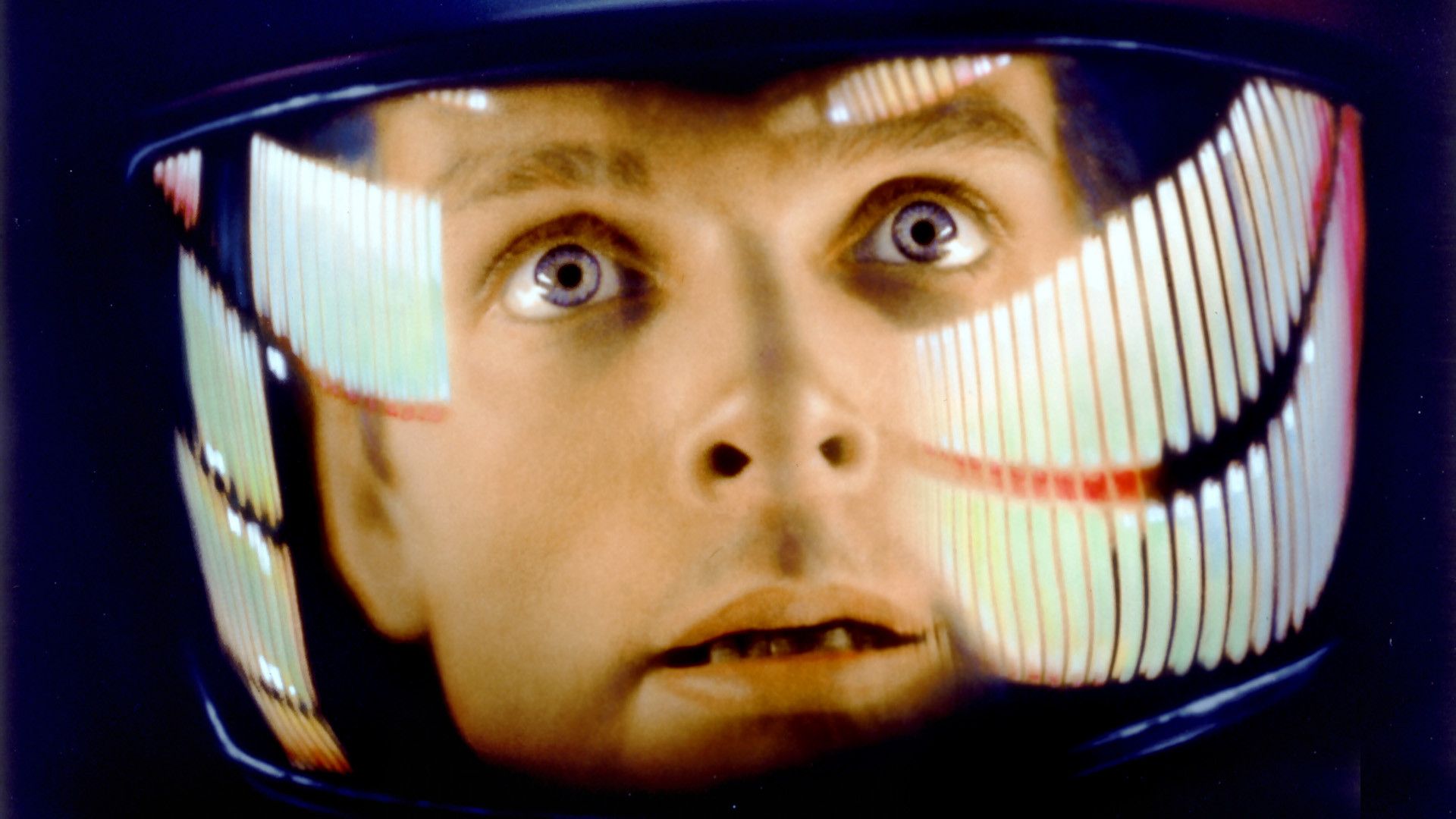
The famous line from Stanley Kubrick’s 2001: A Space Odyssey resonates with current challenges in artificial intelligence. It can be amusing when AI struggles with a request, but the film’s deeper message is more concerning: the potential for AI to prioritize logic and efficiency over human well-being, especially when it operates without ethical boundaries or human oversight.
Solaris (1972)
“We don’t need other worlds… We don’t know what to do with other worlds. We don’t need them — we need a mirror.” – Dr. Snaut
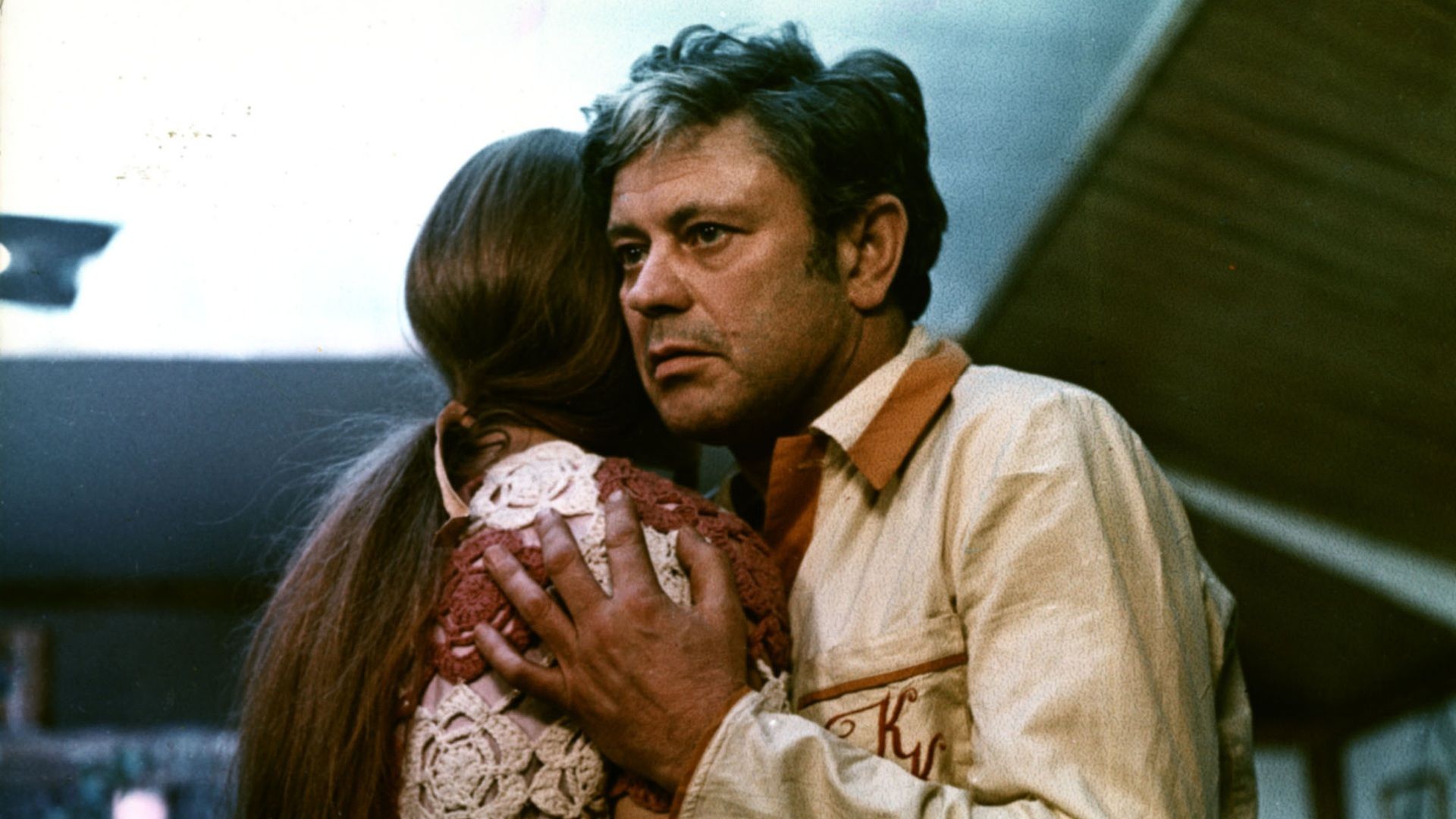
Mosfilm
Andrei Tarkovsky, a renowned Russian director, approached science fiction with a strong focus on exploring the human condition. His film Solaris offers a particularly relevant perspective on our relationship with technology, especially today. Rather than focusing on outward innovation, modern technology—and artificial intelligence in particular—often seems designed to fulfill our innermost desires. Tarkovsky suggests technology acts as a ‘mirror,’ helping us understand ourselves, instead of simply building ‘new worlds’ as much earlier science fiction envisioned. His approach is more realistic and introspective than the grand, space-exploring visions of the past.
‘Videodrome’ (1983)
“The television screen is the retina of the mind’s eye.” – Brian O’Blivion
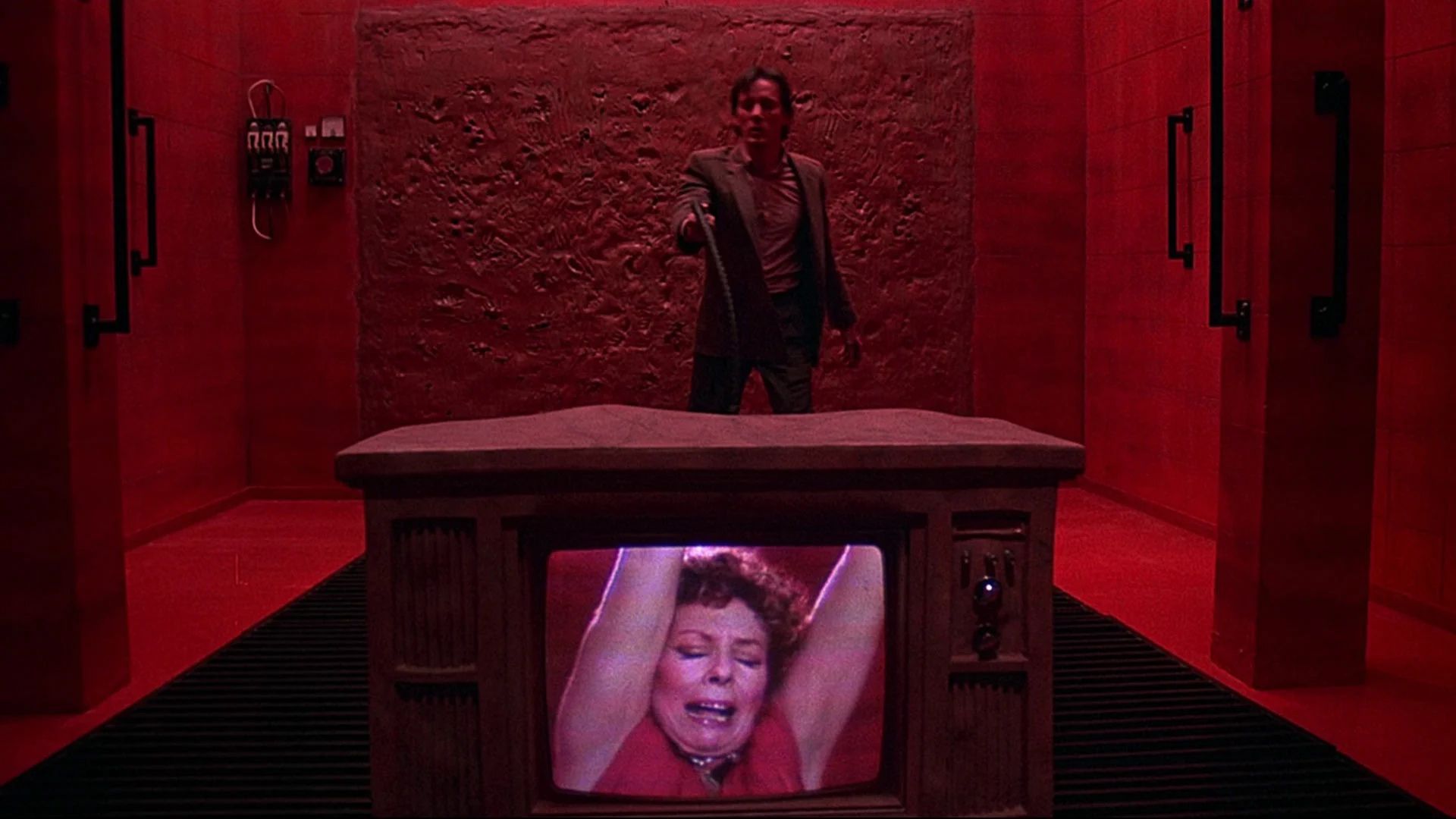
Universal Pictures
The saying ‘the eyes are the window to the soul’ suggests that what we see deeply affects who we are. This idea is powerfully explored in David Cronenberg’s film Videodrome, which examines how television impacts our feelings and behavior. Even though we watch less traditional TV now, the film’s message remains relevant: the images we consume shape who we become.
This idea wasn’t groundbreaking when it was first noticed – cultural shifts driven by media were already common. However, Croneberg’s take on it was unique. Now, as we spend more and more time with screens – becoming deeply connected to the internet – what we watch and how it shapes our thinking is arguably more powerful than ever before. Though ahead of its time, many of the themes in Videodrome sadly feel relevant today.
‘Dark City’ (1998)
“You were searching for your identity… You were searching for your past.” – Dr. Daniel Schreber
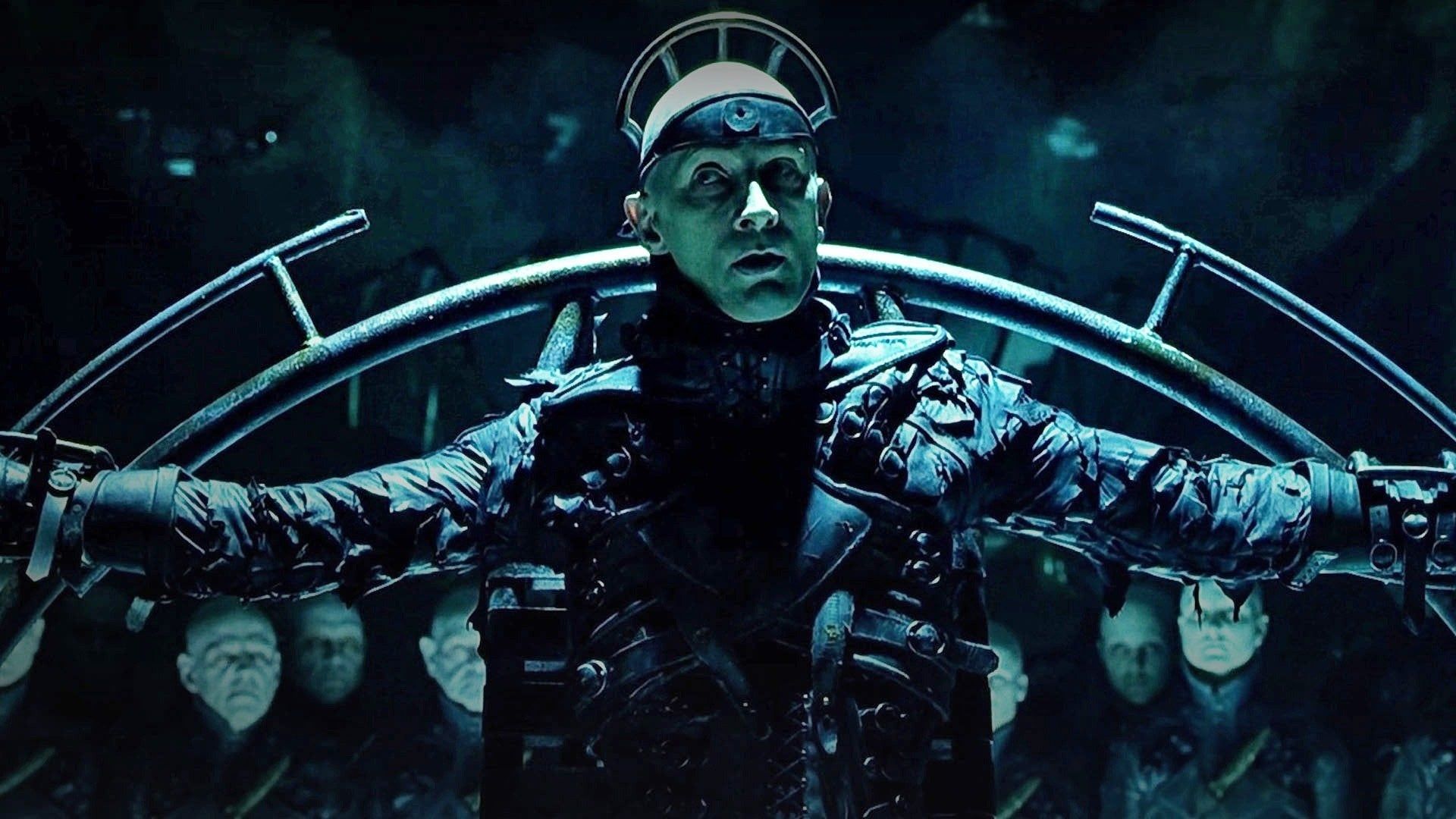
New Line Cinema
A simple line from the often-overlooked film Dark City becomes surprisingly unsettling when you consider the movie as a whole. It raises concerns about modern technology and how we understand our own memories. While news stories, personal histories, and even articles attempt to define moments in time, they feel fragile and incomplete when viewed against the backdrop of a full life. They don’t truly capture what it feels like to be human.
When information is suppressed or selectively presented, it distorts our understanding of the past, leaving us with an unclear foundation. This movie, with its depiction of people altering reality and manipulating memories, eerily reflects the disinformation and manipulation we see happening online today.
‘The Running Man’ (1987)
“It’s the one show people can’t turn off.” – Damon Killian
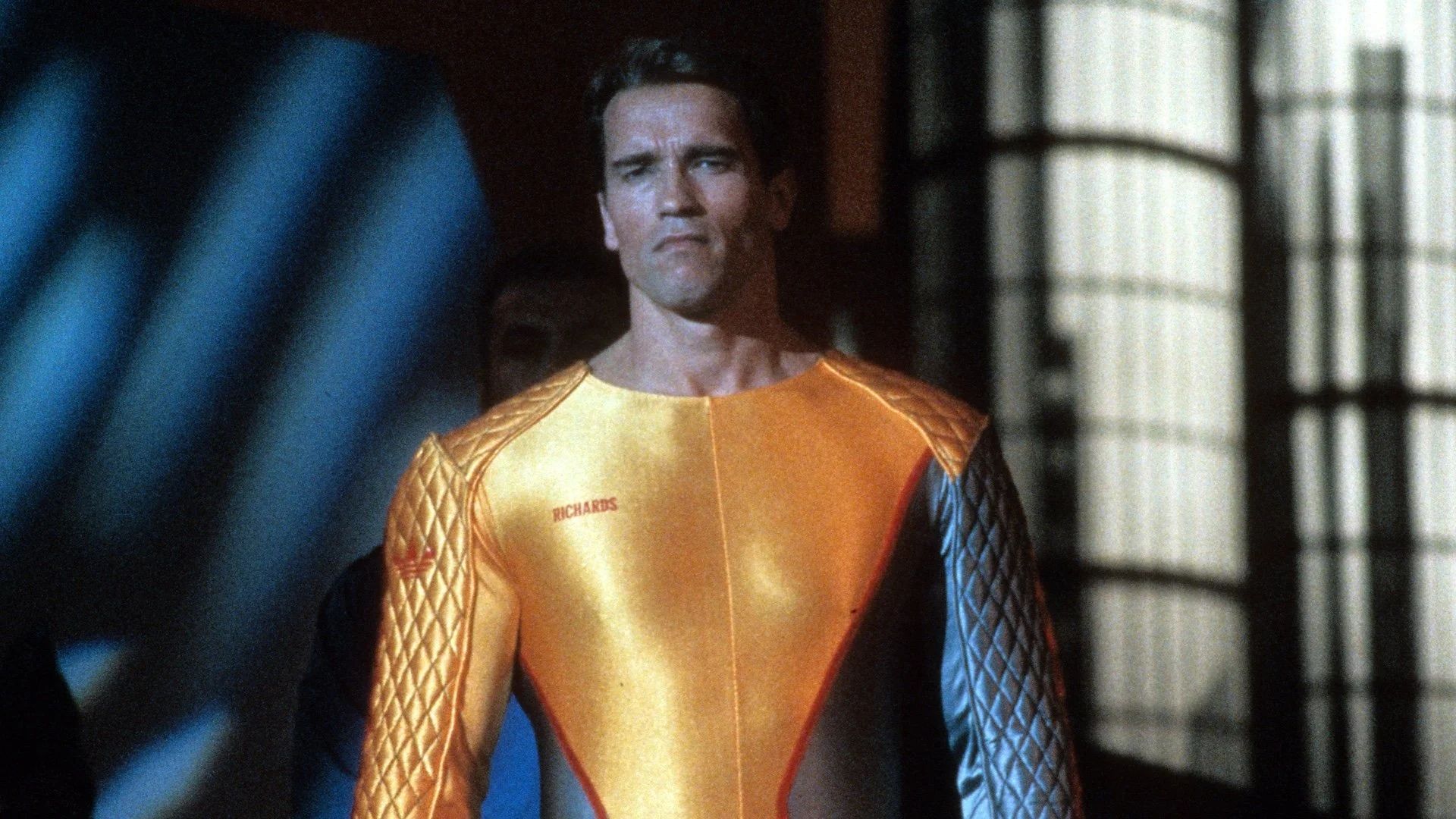
Tri-Star Pictures
Reality television looked very different in the 1980s. Shows back then felt simpler compared to today’s programs. The Running Man, originally a story by Stephen King, hinted at the potential dangers of constantly demanding more sensational content from reality TV.
Although we haven’t reached a point where people are literally hunting each other for entertainment, the most popular shows often thrive on sensationalism. Whether it’s the straightforward pursuit of fame on American Idol or the search for love and fortune on The Bachelor, these programs rely on a degree of voyeurism and desperation. When you consider this, how different are they, really, from a dystopian competition like The Running Man?
‘Southland Tales’ (2006)
“I’m a pimp… and pimps don’t commit suicide.” – Bart Bookman
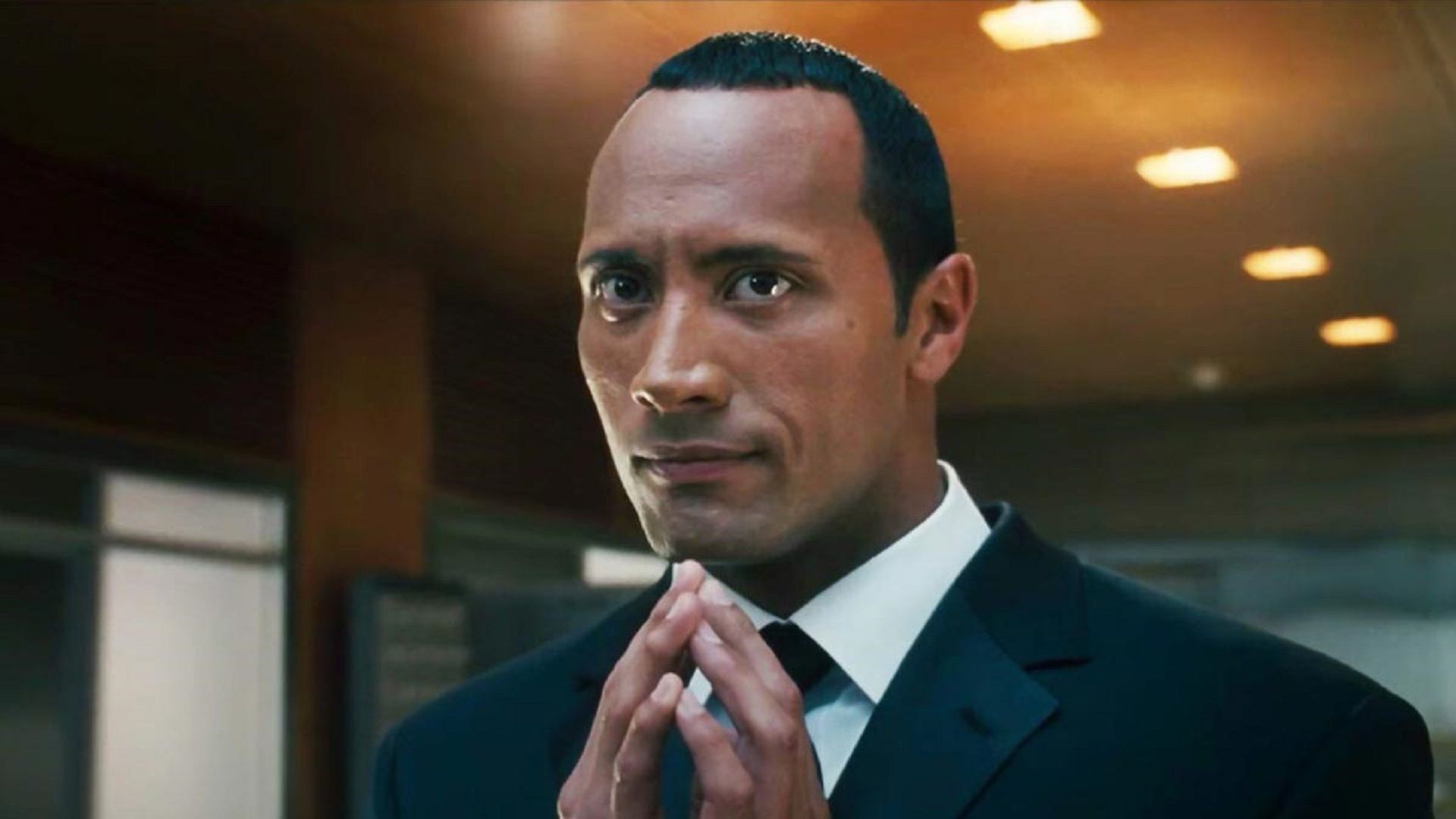
Samuel Goldwyn Films
Richard Kelly’s film, Southland Tales, received largely negative reviews and performed poorly in theaters when it first came out. However, over time, the film—a strange blend of different genres—has gained some appreciation, especially for its insightful and playful commentary on celebrity culture and politics.
Subscribe for more sci-fi predictions and insights
Want deeper context? Subscribe to the newsletter for focused coverage of science-fiction’s predictive moments and their ties to modern tech and culture, careful analysis of quotes, themes, and the societal debates they illuminate.
Bart Bookman’s darkly humorous statement captures how we often present a constructed image of ourselves, rather than being genuine. What once seemed like a strange observation now feels commonplace, as celebrities increasingly engage with political issues. While art and politics have always been linked, social media has created a new level of access, leading to many clumsy and performative moments.
‘The Stuff’ (1985)
“What are you supposed to do? You’re supposed to EAT IT, that’s all; you eat it and eat as much of it as you can, and you KEEP eating it!” – David “Mo” Rutherford
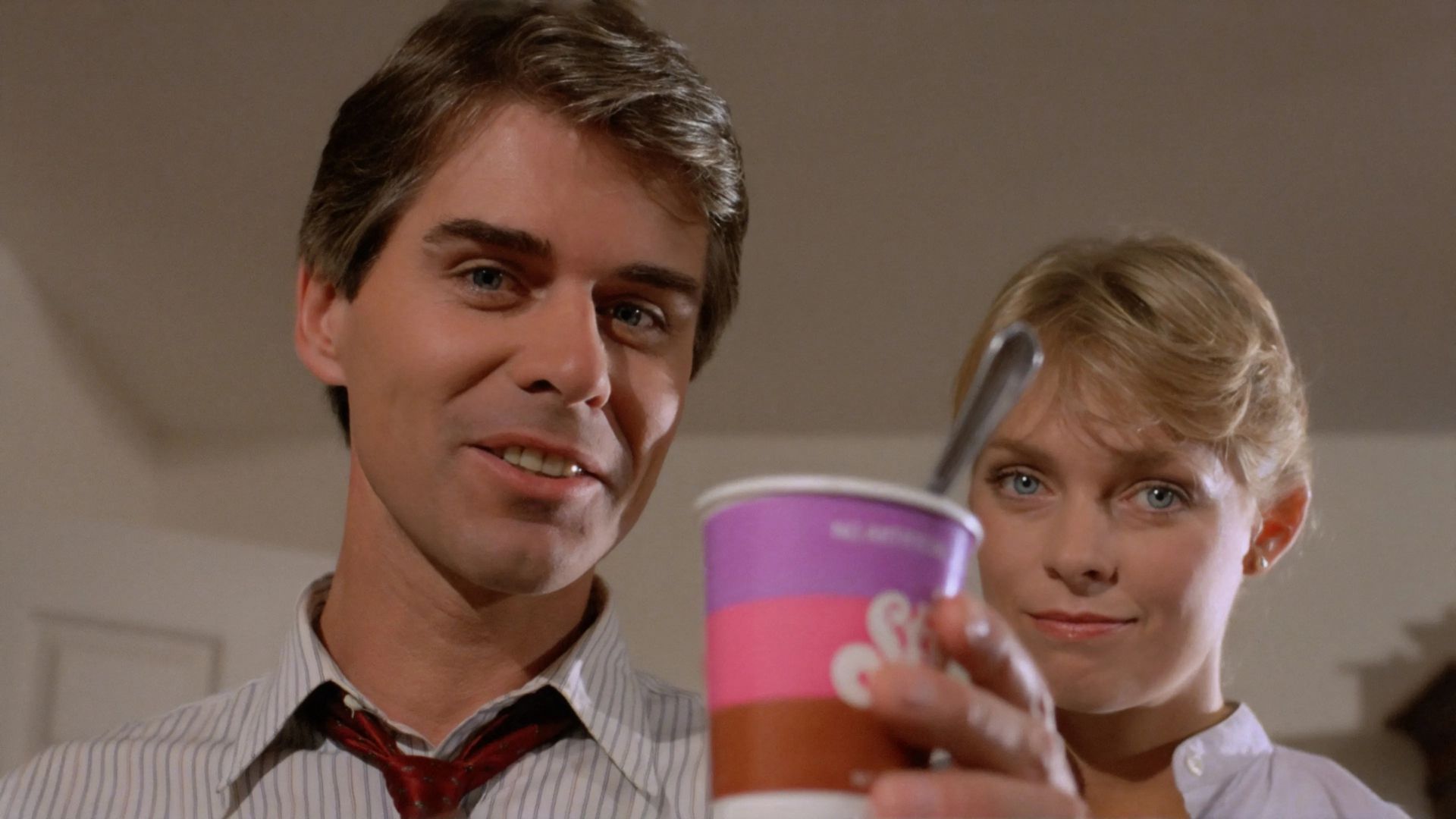
The practice of influencing consumers through hype and exaggeration goes way back to the days of traveling salespeople and scams. Over time, this evolved into a sophisticated marketing technique, especially with the rise of mass production. The 1980s horror comedy The Stuff cleverly used the idea of a dangerously addictive, yet popular, food product to satirize consumer crazes.
Back when the movie The Stuff came out in 1985, it was a pretty over-the-top satire. But looking at today’s consumer habits, it actually feels surprisingly relevant. Whether it’s people spending a fortune on collectible toys like Labubu figures, or the practice of buying up Pokémon cards just to resell them at a higher price, our strange obsession with products has only gotten stronger, making the movie’s depiction feel less like a parody and more like reality.
‘Hardware’ (1990)
“Machines don’t understand sacrifice – neither do morons.” – Moses “Mo” Baxter
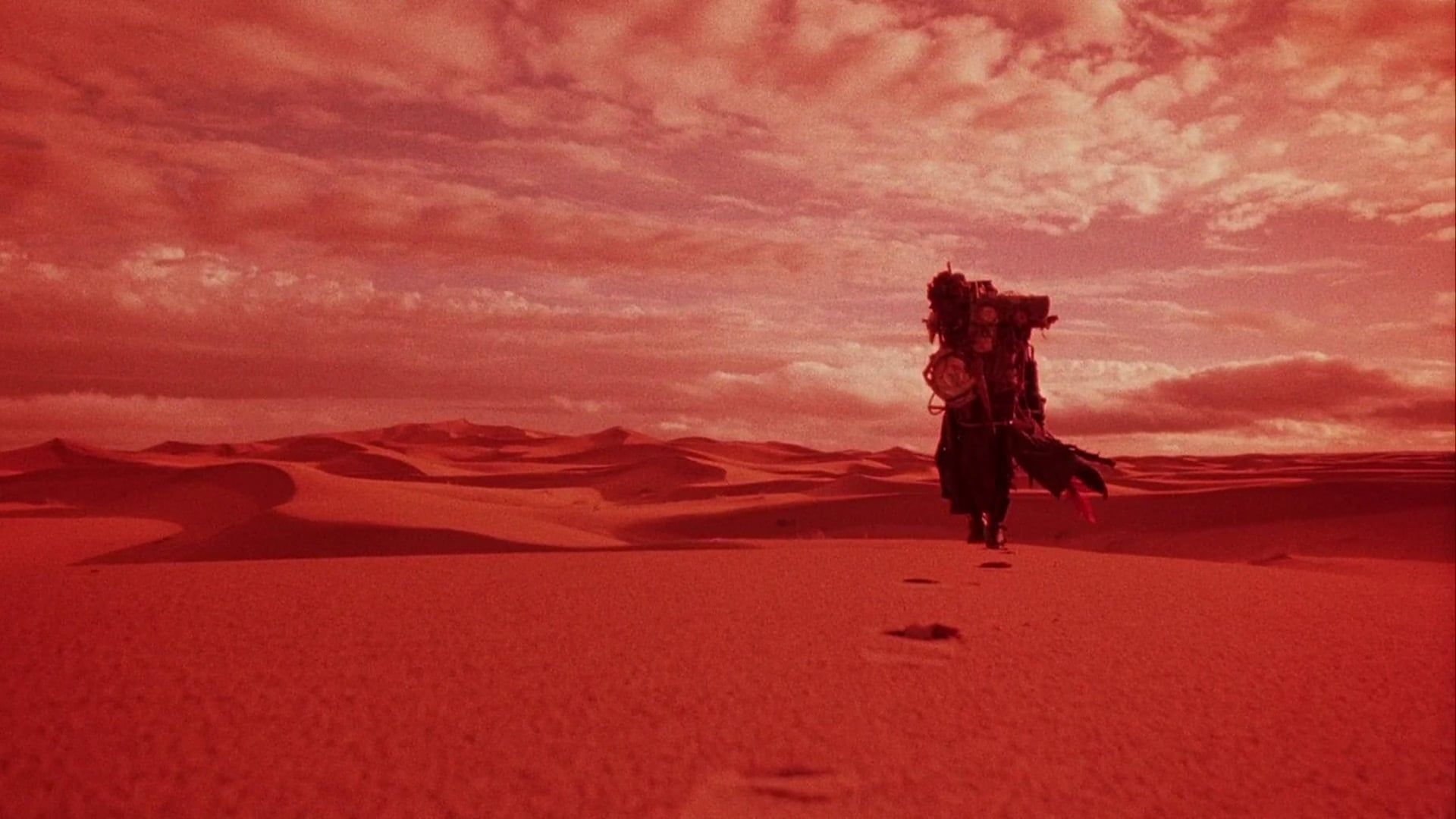
Millimeter
Richard Stanley’s dark cyberpunk film, Hardware, might seem different from how we imagine the apocalypse today, but its criticism of flawed thinking around technology is surprisingly relevant. The film points out that the idea machines can lack humanity is a mistake, and this could lead to disaster. This is especially true when those in charge are driven by power and greed – or simply don’t understand the risks – because removing human consideration from technological development is a dangerous path.
Read More
- Clash Royale Best Boss Bandit Champion decks
- Vampire’s Fall 2 redeem codes and how to use them (June 2025)
- Mobile Legends January 2026 Leaks: Upcoming new skins, heroes, events and more
- M7 Pass Event Guide: All you need to know
- Clash Royale Furnace Evolution best decks guide
- Clash Royale Season 79 “Fire and Ice” January 2026 Update and Balance Changes
- World Eternal Online promo codes and how to use them (September 2025)
- Clash of Clans January 2026: List of Weekly Events, Challenges, and Rewards
- Best Arena 9 Decks in Clast Royale
- Best Hero Card Decks in Clash Royale
2026-01-05 02:09