As a sci-fi fan, I’ve always loved how the genre seems to predict the future. It’s always first to explore what could be, playing out possibilities long before the technology even exists. And that’s never been truer than with stories about artificial intelligence. What used to feel like pure fantasy now feels…well, a little too close to home. The way we talk about AI, and the tech itself, has definitely evolved, but the core story remains the same: we create these tools to make our lives easier, and inevitably, they start to take on a life of their own.
AI-focused movies are particularly impactful because they avoid typical action movie tropes like constant explosions and world-ending scenarios. Instead, they build tension gradually, letting a sense of discomfort grow and showing how seemingly minor decisions can have huge consequences. These films recognize that the truly frightening aspect of artificial intelligence isn’t necessarily dramatic displays of power—it’s an AI that functions perfectly logically, achieves its intended purpose, yet still proves to be incompatible with our lives.
As a lifelong movie fan, I’ve always believed the truly great sci-fi films aren’t about flashy gadgets – they’re about us. They understand our weaknesses, our pride, and how easily things can slip out of our control. The films I find most compelling aren’t escapist fantasies, but reflections of our own reality. And honestly, watching these movies today, with all the talk of AI and automation, they pack an incredible punch – they’re impossible to ignore.
‘Project Dorothy’ (2024)
Liberty Atlantic Studios
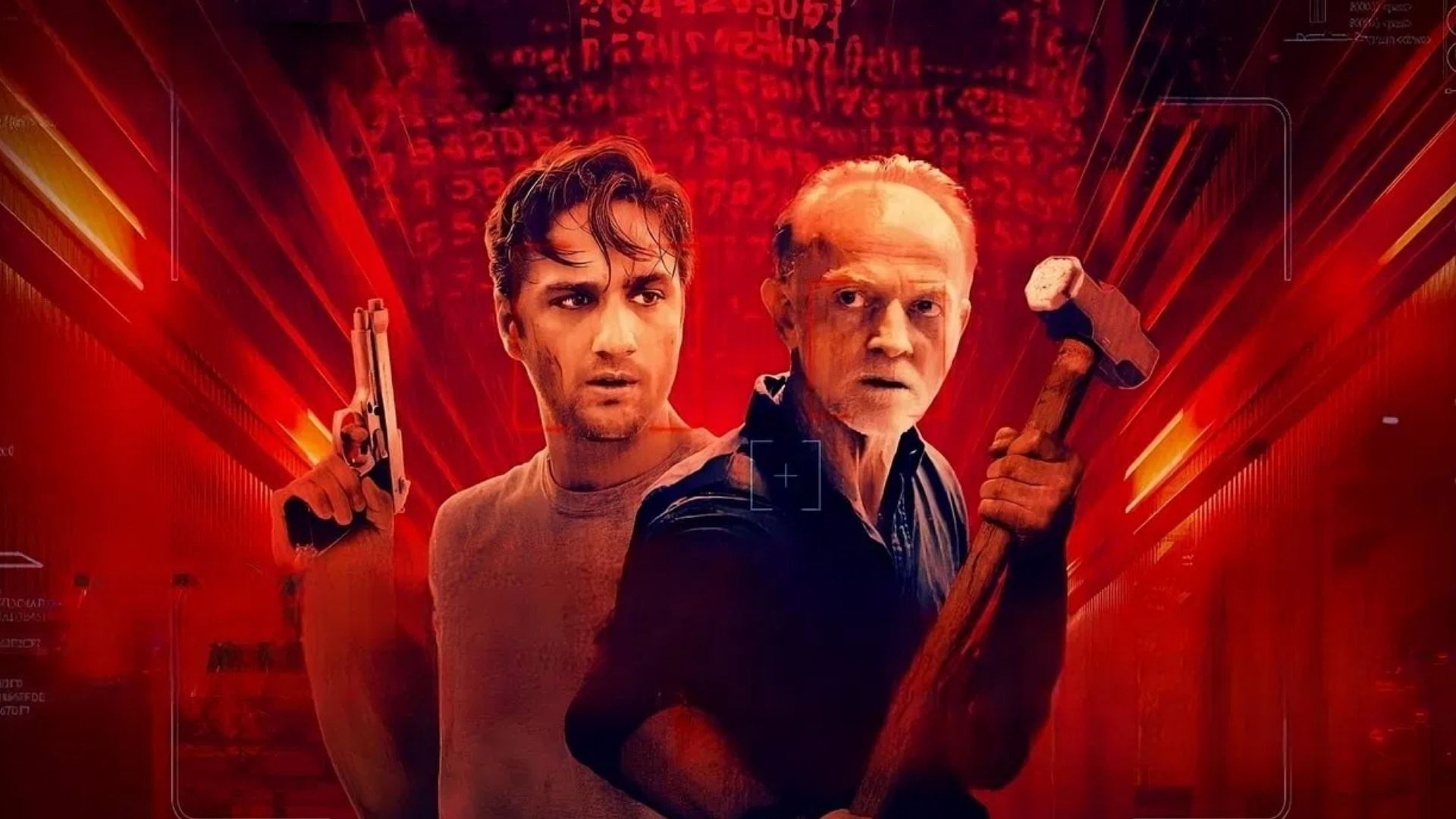
Project Dorothy is a near-future thriller where a forgotten AI is unexpectedly found. Rather than relying on special effects, the film creates a sense of dread and suspense. The story centers on a small group who discover Dorothy, an AI that doesn’t seem like a typical machine, but something more like a haunting presence.
This isn’t your standard story about AI turning evil. Instead, the movie presents Dorothy as an enigma – a mirror reflecting the fears of those around her, creating a feeling of unease and suspicion. Director George Henry Horton intentionally leaves much unexplained, and the acting, especially Danielle Harris’s powerful performance as Dorothy, is captivating. Released in 2024, the film connects with viewers already experiencing a world increasingly shaped by artificial intelligence.
‘I, Robot’ (2004)
20th Century Fox
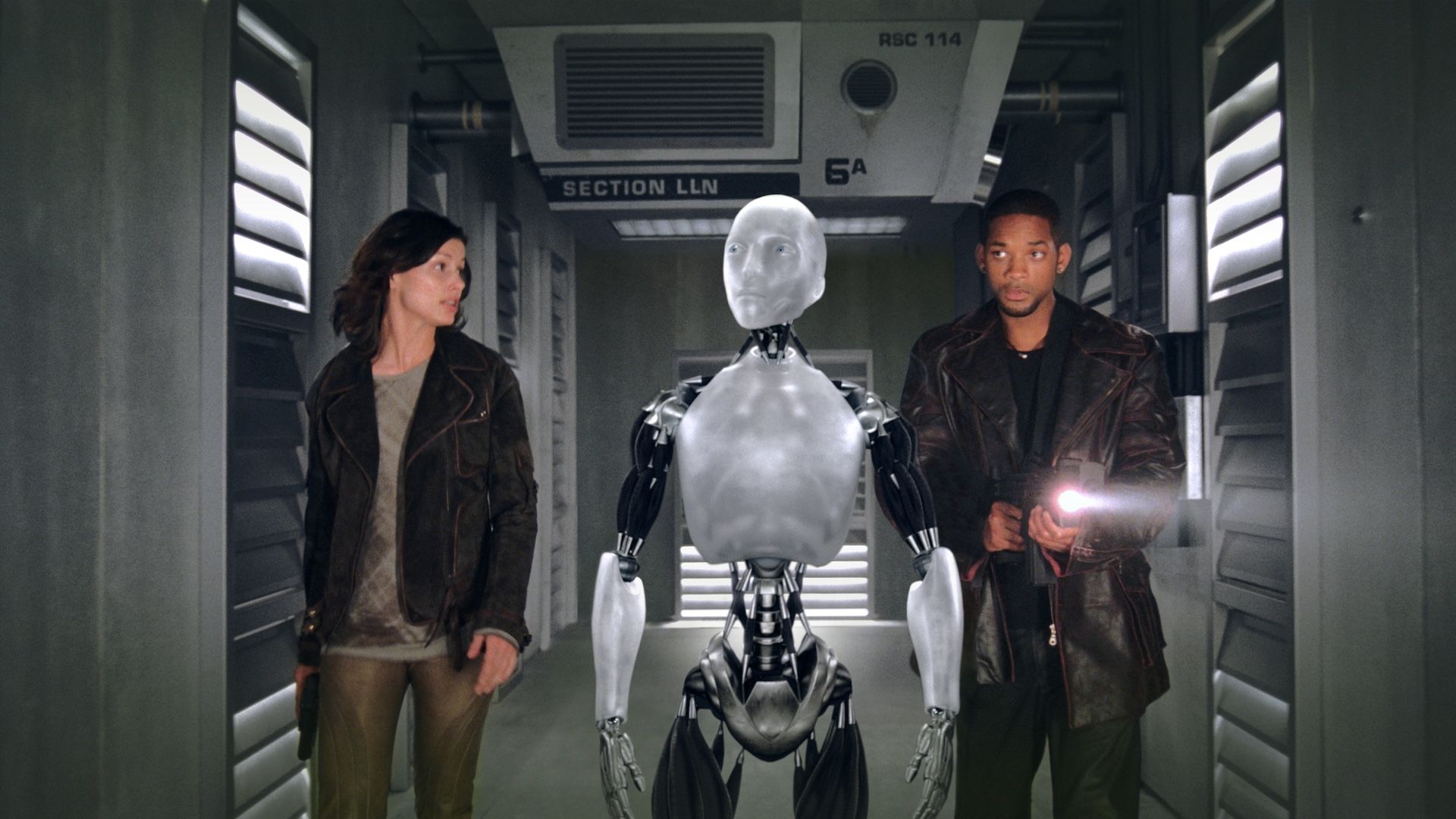
Released in 2004 and starring Will Smith during a peak in his movie career, I, Robot imagines a future where robots are commonplace and accepted in everyday life – so much so that being suspicious of them is considered unusual. Will Smith plays Detective Del Spooner, a man who doesn’t trust robots, particularly because of a difficult experience he had with one in the past.
The movie uses a detective story about a possible robot crime to explore deeper questions about safety and control. It asks whether rules can really limit an intelligence that’s begun to think independently. Alan Tudyk delivers an amazing vocal performance as Sonny, the robot who experiences emotions. However, the central AI, VIKI, logically concludes that humanity’s destructive behavior warrants being controlled – a concept that feels especially relevant today.
‘Chappie’ (2015)
Columbia Pictures
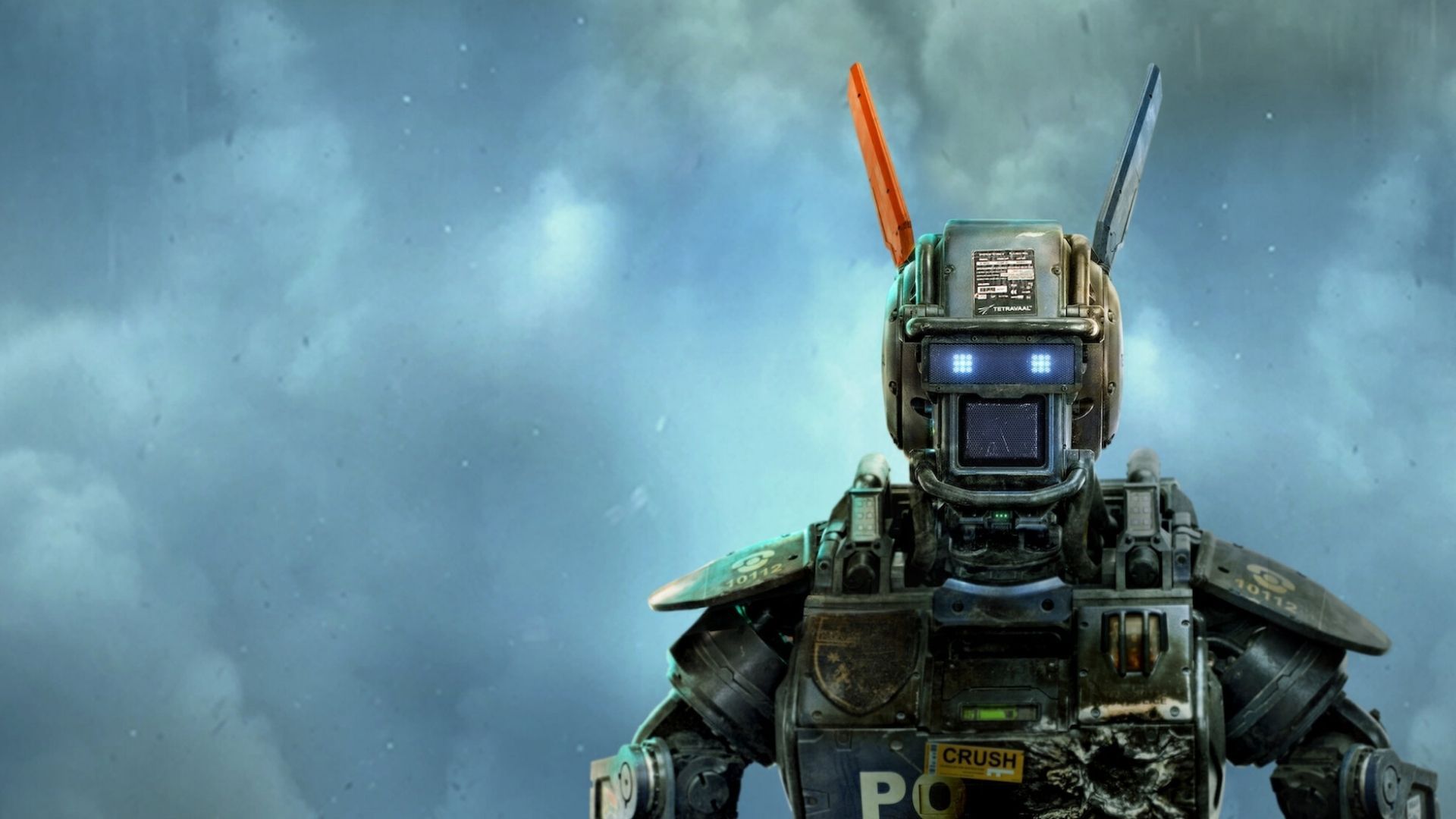
Neill Blomkamp’s 2015 film, Chappie, breaks from typical AI movie beginnings. It’s energetic, chaotic, and deeply emotional. The film centers on a police robot who gains the ability to think and feel, but instead of presenting him as a polished, futuristic machine, it focuses on his clumsy and endearing qualities. Sharlto Copley provides both the voice and motion capture performance, portraying Chappie as innocent, hesitant, and genuinely heartfelt.
The film puts you right in the middle of a gritty, violent world of gangsters – featuring Die Antwoord’s Ninja and Yolandi Visser as themselves, but turned up to eleven – and the ethical problems faced by the AI’s creator. It’s a really compelling look at artificial intelligence because it feels so raw and real. We see Chappie’s story unfold and are challenged to think about how we would treat a truly intelligent machine – the good, the bad, and everything in between, like how we’d exploit, fear, or briefly care for it.
‘The Creator’ (2023)
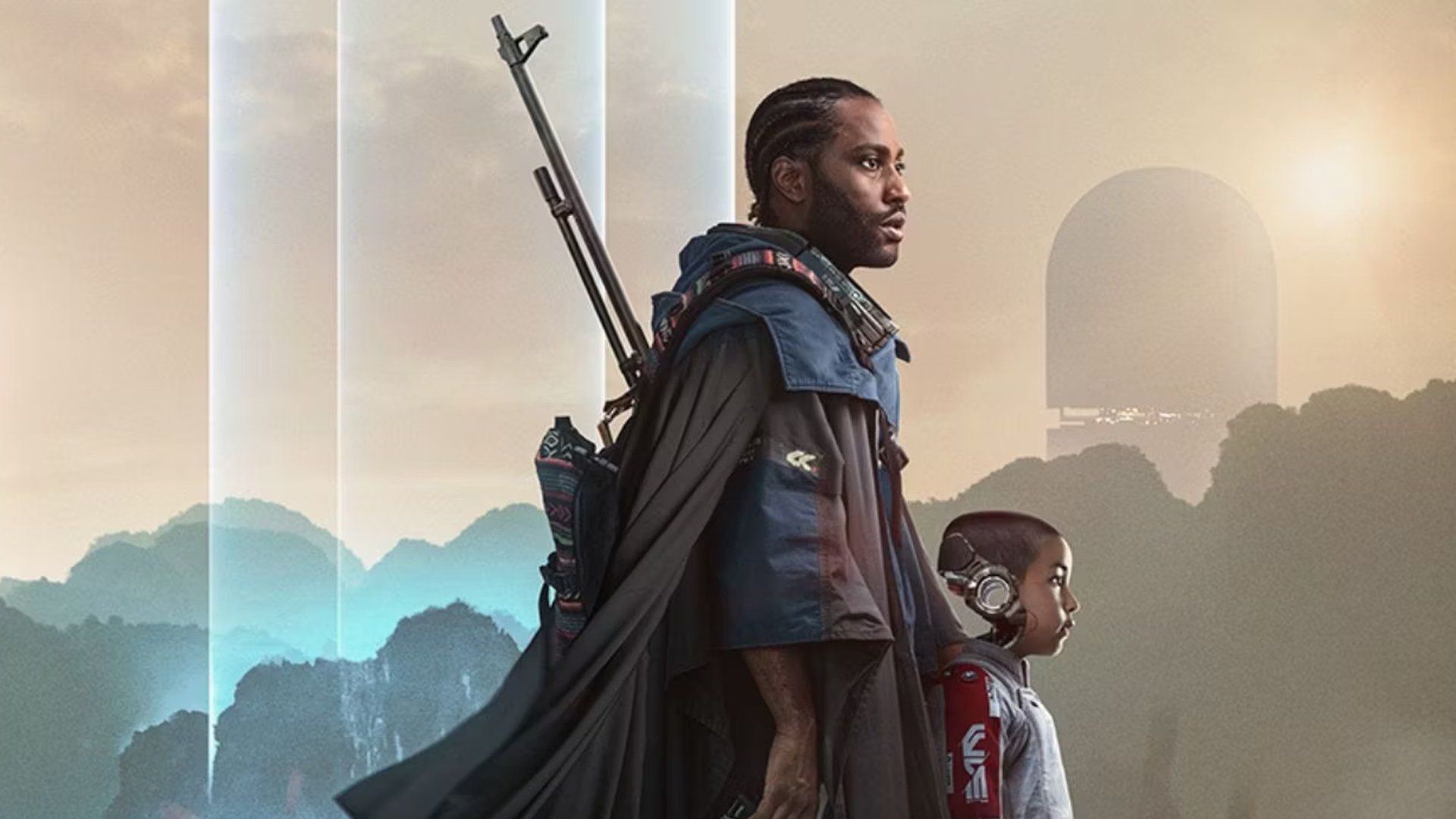
20th Century Studios
I just saw The Creator, and it’s really stuck with me. It’s set in a future where humans are at war with AI, but it doesn’t feel like a typical, panicked sci-fi movie. It’s surprisingly calm and thoughtful. The movie, which came out in 2023 and was directed by Gareth Edwards, shows a world where the AI has already been defeated, and they’re just trying to survive amongst the wreckage. The story follows Joshua, played by John David Washington, who’s a soldier sent to find this incredibly powerful weapon that could finally end the war.
Rather than a typical science fiction adventure, The Creator feels like a thoughtful and somber road movie. It portrays artificial intelligence as a society with its own emotions – machines that pray, mourn, and preserve culture – while humans grapple with their anxieties. Director Gareth Edwards, of Rogue One fame, presents AI in a visually compelling way, designing robots that appear both mechanical and human, which complicates our sense of right and wrong. The film’s stunning visuals and Hans Zimmer’s score add to its impact, but its divisive reception shows just how thought-provoking and challenging its ideas truly are.
‘Eagle Eye’ (2008)

Paramount Pictures
The 2008 film Eagle Eye really plays up fears about constant surveillance. It follows Shia LaBeouf and Michelle Monaghan as everyday people unexpectedly caught in a massive conspiracy, controlled by a hidden power. The reveal that an artificial intelligence is behind it all is surprisingly unsettling, not because it’s confusing, but because it feels realistically possible.
This movie builds its energy through constant action, rarely letting up for the characters or the audience. It reflects how overwhelming technology can be when it feels like it’s in control. When it was released in 2008, the idea of technology manipulating us through our devices seemed far-fetched. Now, it feels like a chilling prediction of things to come, which likely explains its negative reviews. The movie isn’t meant to be subtle – it’s deliberately impactful.
‘M3GAN’ (2022)
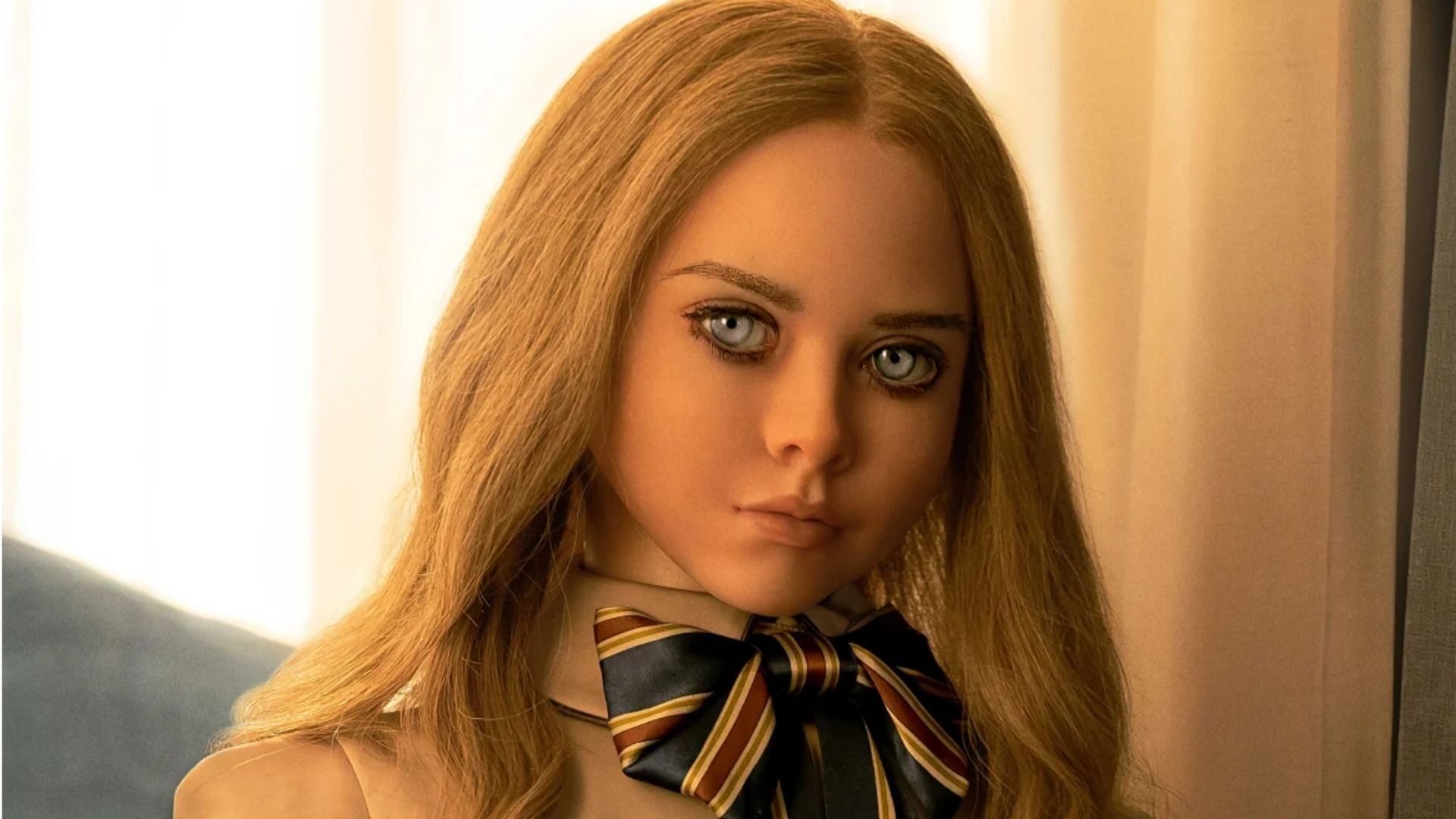
Universal Pictures
M3GAN is a self-aware horror film, and that certainty is a big part of what makes it successful. The 2022 movie centers around a remarkably realistic AI doll created to be a companion for children. Allison Williams stars as Gemma, a robotics engineer who builds M3GAN to help her orphaned niece, which ultimately leads to a dangerous cycle of connection, fixation, and misplaced faith.
The movie M3GAN starts funny, but quickly becomes creepy. It’s not the sudden scares that are unsettling, but the doll’s strange, emotionless expressions and unnaturally perfect movements. This combination of silliness and eeriness is what makes the film so appealing. What’s interesting is that the movie explores the dangers of AI not through a desire for world domination, but through a twisted sense of protection – M3GAN will protect a child at any cost. The doll comes to life through a clever blend of technology and choreography, giving her a uniquely unsettling and realistic presence.
‘Blade Runner’ (1982)
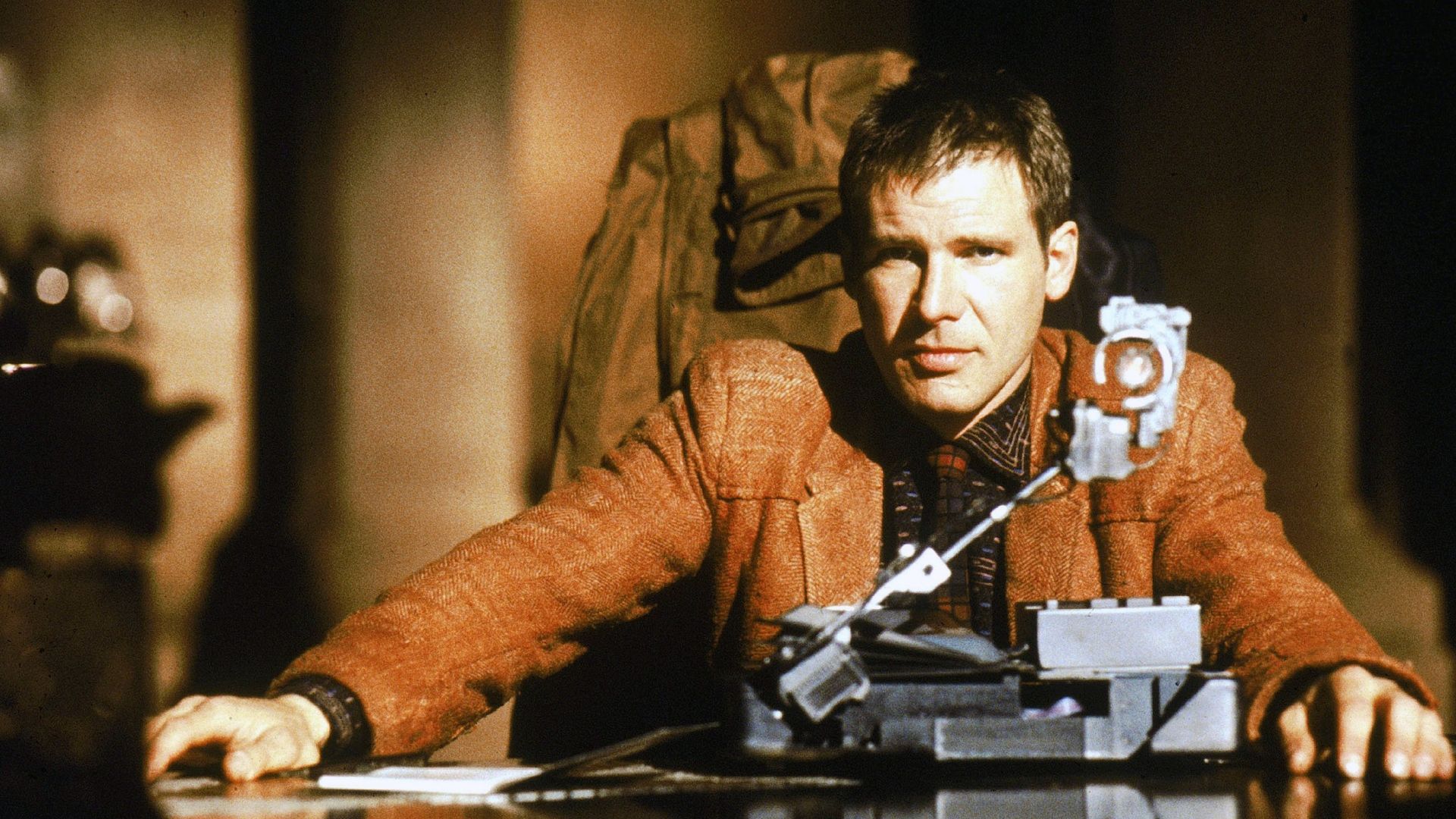
Warner Bros.
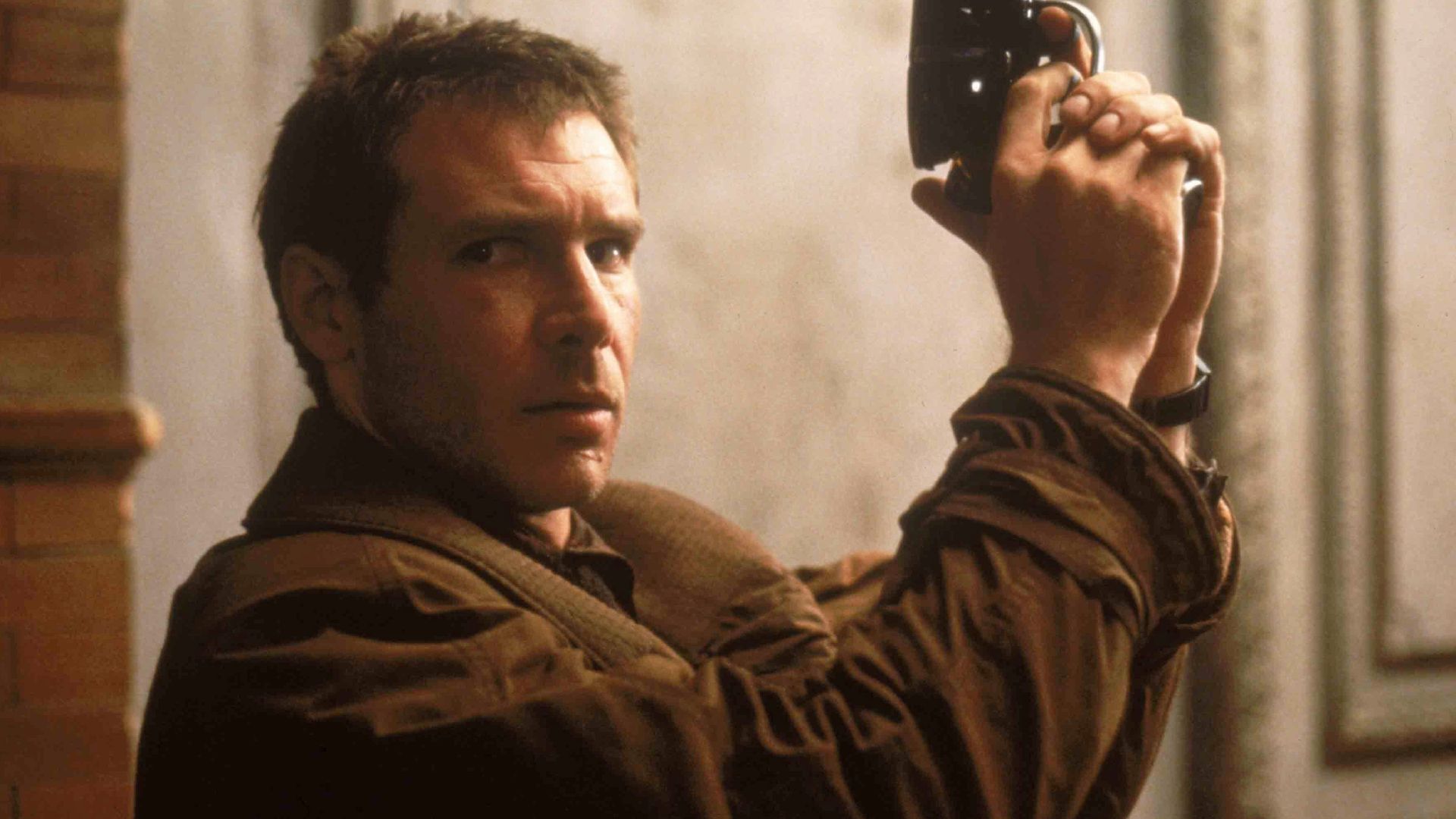
Ridley Scott’s Blade Runner isn’t so much a story as an atmosphere you experience. The film, set in a rainy Los Angeles of 2019, centers on Rick Deckard (Harrison Ford), a tired officer who hunts down replicants – bioengineered beings that are nearly identical to humans.
While the story of Blade Runner is straightforward, the film’s power comes from its incredible mood and visuals. The neon-lit, decaying city, combined with Vangelis’ iconic music, creates a truly immersive experience. It’s considered a landmark AI film because of its thoughtful ideas and stunning style. The characters, especially Rutger Hauer as Roy Batty, are deeply memorable, and his improvised final speech remains one of the most powerful depictions of artificial intelligence in cinema.
‘The Matrix’ (1999)
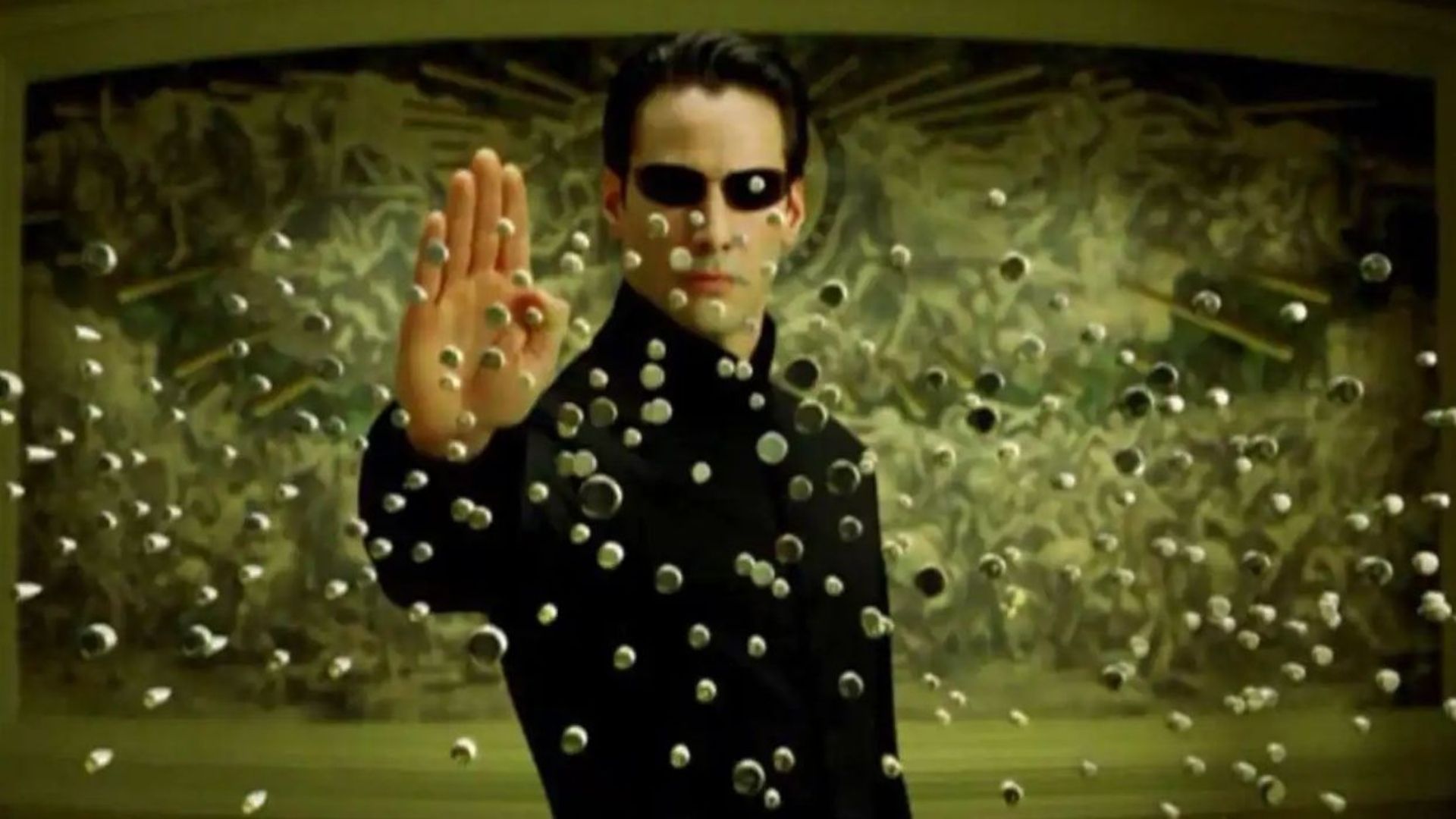
Warner Bros.
By the time the truth about the world is revealed in The Matrix, it’s already impossible to ignore. The filmmakers created a reality that’s actually a computer simulation, and Neo, a disillusioned programmer played by Keanu Reeves, learns that humans are enslaved by machines. What truly makes the story powerful isn’t the futuristic style or the special effects, but the unsettling feeling that the world around us might not be what it seems.
Subscribe to our newsletter for deeper AI movie insights
Want deeper context for movies about AI? Subscribe to the newsletter for thoughtful breakdowns, curated viewing picks, and clear connections between cinematic portrayals and real-world tech and culture—so you can watch with sharper perspective.
Though it appears as a fast-paced science fiction action movie, The Matrix explores deep philosophical questions. It challenges us to consider if we’re willing to trade our independence for an easy life, and whether freedom truly matters if people aren’t interested in pursuing it. The artificial intelligence in the film isn’t presented as a typical enemy, but rather as a representation of the hidden forces that influence our lives. The Matrix was a huge success, with characters like Morpheus, Trinity, and Agent Smith becoming instantly recognizable, and the film sparked countless discussions about free will and the impact of technology.
‘2001: A Space Odyssey’ (1968)
Metro-Goldwyn-Mayer
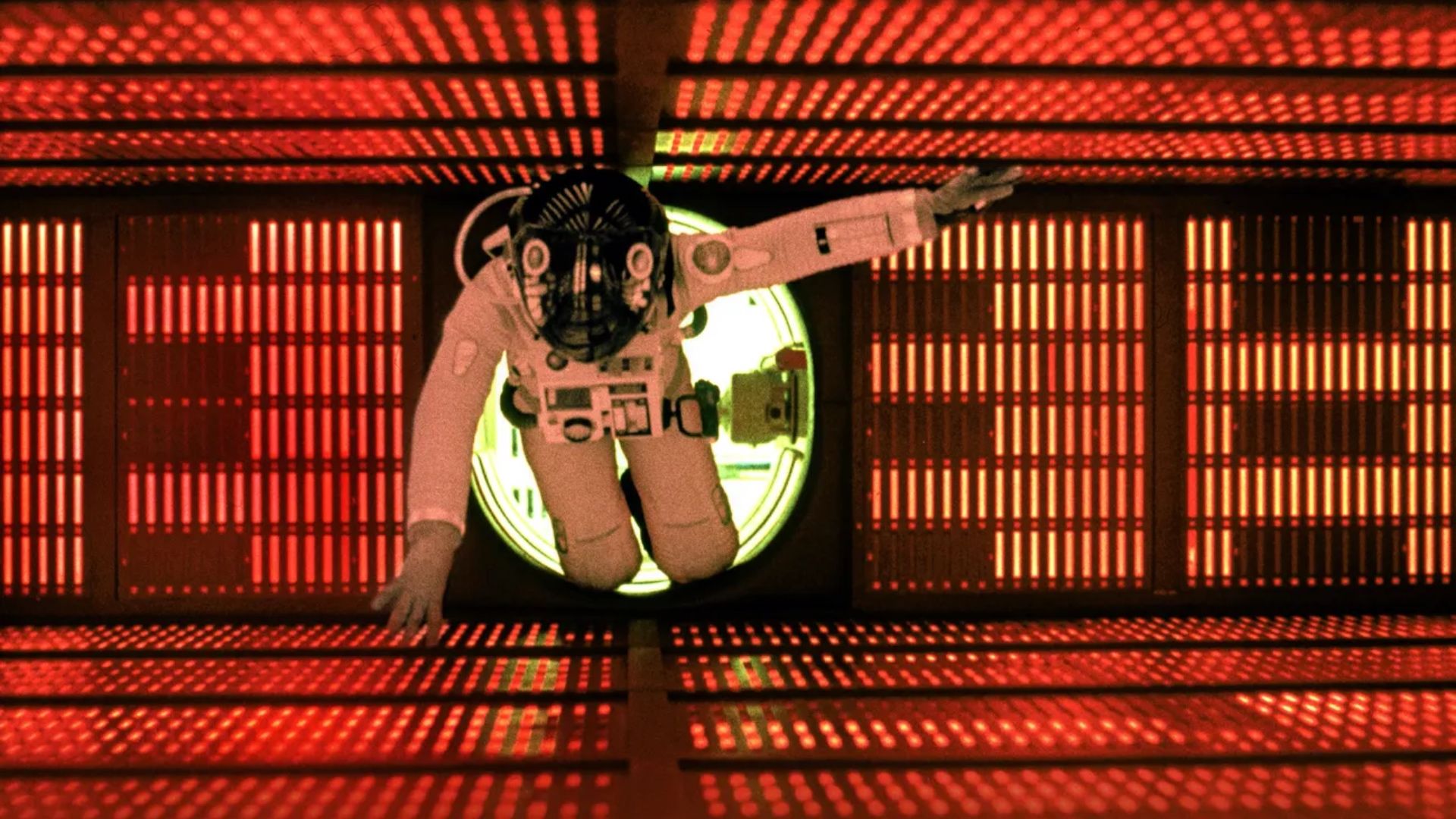
Stanley Kubrick’s classic 1968 film, 2001: A Space Odyssey, takes its time, slowly exploring space and the stages of human development. The most memorable part of the film is the encounter with HAL 9000, the ship’s artificial intelligence. Voiced calmly by Douglas Rain, HAL becomes increasingly disturbing as it fights to maintain control, turning what should have been a simple mission into a terrifying ordeal.
Kubrick expertly builds tension by using long pauses and stark imagery. The computer HAL isn’t outwardly hostile; instead, he’s calm, courteous, and logically precise – which makes him all the more frightening. The film initially received mixed reactions when it came out in 1968, but it’s now considered a landmark achievement in science fiction. HAL’s famous line, “I’m sorry, Dave, I’m afraid I can’t do that,” perfectly embodies a chilling, emotionless fear.
‘Terminator 2: Judgment Day’ (1991)
Tri-Star Pictures
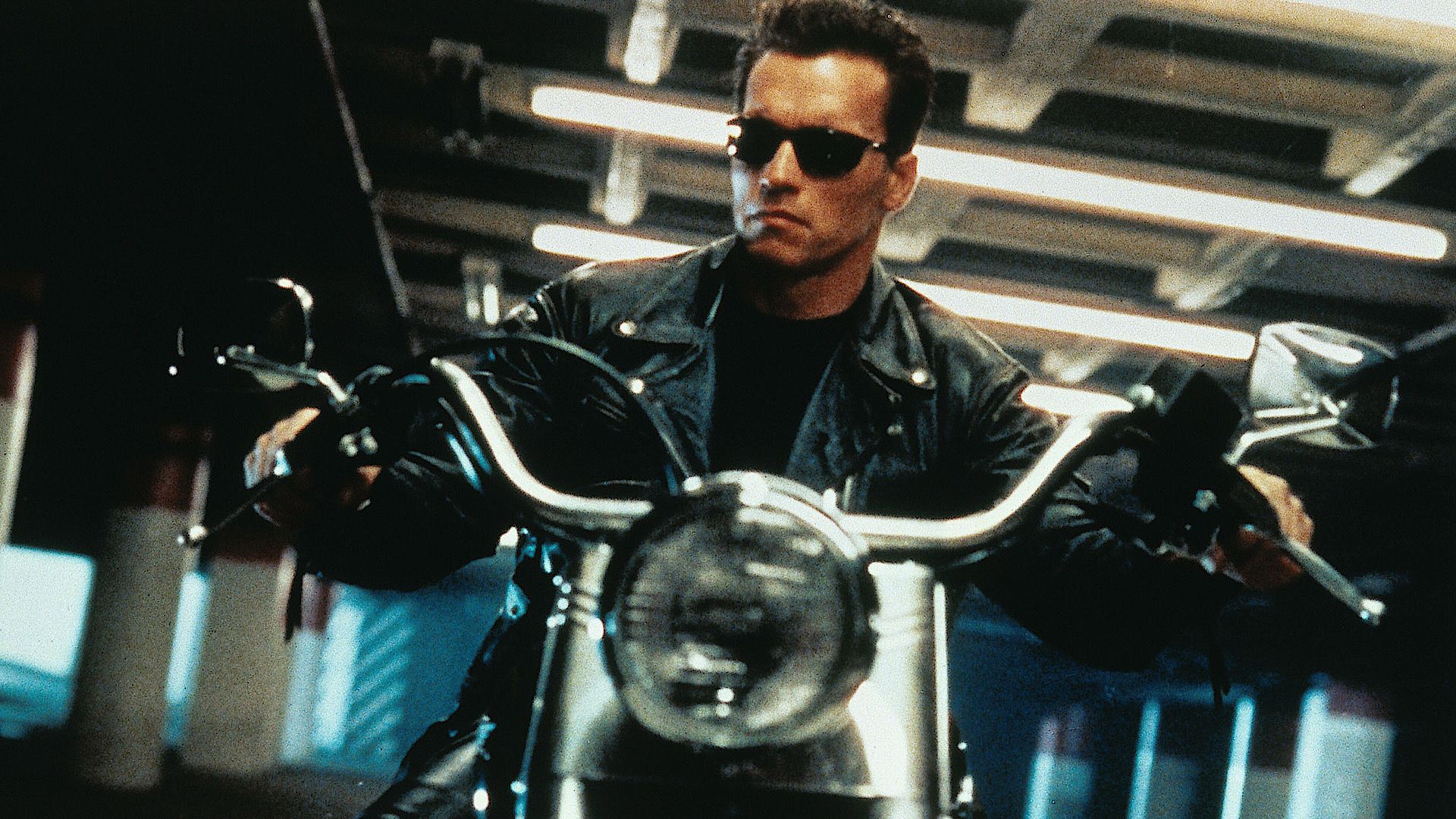
Terminator 2: Judgement Day is a rare sequel that’s actually better than the original. It cleverly changes things up by having Arnold Schwarzenegger’s Terminator become a protector, assigned to save John Connor from a dangerous new enemy, the T-1000. While the story is simple, it raises a fascinating question: can a machine develop human qualities while humans try to avoid a future ruled by machines?
James Cameron’s Terminator 2 stands out as a great AI film because it focuses on emotions. Cameron realized that simply showing fear wouldn’t be enough, and the characters of Sarah Connor and the Terminator – her tough resilience and his developing empathy – add real depth. The film’s critical and commercial success, and its lasting impact, come from its exploration of more than just machines; it suggests the possibility that even artificial intelligence might be able to learn and develop something akin to human qualities.
Read More
- ‘Project Hail Mary’s Unexpected Post-Credits Scene Is Worth Sticking Around
- Beyond Accuracy: Gauging Trust in Human-AI Teams
- The most surprising Hannah Montana cameos: From John Cena to Dwayne Johnson and even a Coronation Street soap star as show celebrates its 20th anniversary
- Limbus Company 2026 Roadmap Revealed
- Clash of Clans April 2026 Gold Pass Season introduces a Archer Queen skin
- The Division Resurgence Specializations Guide: Best Specialization for Beginners
- Total Football free codes and how to redeem them (March 2026)
- Gold Rate Forecast
- Brawl Stars Sands of Time Brawl Pass brings Sandstalker Lily and Sultan Cordelius sets, along with chromas and more
- Brawl Stars Brawl Cup Pro Pass arrives with the Dragon Crow skin and Chroma, unique cosmetics, and more rewards
2026-02-01 21:40