The 2000s were a fantastic time for comics, with many stories immediately captivating readers and now influencing popular superhero movies. However, alongside the great titles like Annihilus and Secret Wars, there were also some that became infamous for being particularly poor quality.
These stories are remembered in Marvel history for all the wrong reasons – they’ve earned a place in its Hall of Shame. While some are just flawed due to bad writing choices, others are completely nonsensical or deal with shockingly distasteful themes that Marvel itself tries to forget ever happened.
In 2012, writer Jason Aaron began a new chapter for Thor with the comic Thor: God of Thunder. The story challenged Thor’s sense of self-worth, and when he lost confidence, he was no longer able to lift his hammer. It flew across space and landed with Jane Foster, who became the new hero known as the Mighty Thor. Meanwhile, the original Thor, now called the Unworthy, had to grapple with his loss.
It’s been amazing to see Jane Foster become a powerful hero, especially now as Valkyrie after Brunnhilde’s passing. However, the story wasn’t as well-received for the original Thor. Fans were disappointed to see him lose his hammer and title, feeling sidelined in his own comic. Many readers disliked the idea of ‘Thor’ becoming a title passed between people, rather than being uniquely associated with the original character.
As a Daredevil fan, “Shadowland” was… a trip. It started with Matt Murdock coming back to Hell’s Kitchen, but he’d taken over the Hand, which was super weird. Things escalated quickly – he even built this fortress called Shadowland and, shockingly, killed Bullseye! It got so out of hand that heroes like Spider-Man and Iron Fist had to step in. Honestly, a lot of us were scratching our heads about where Matt’s head was at with these new choices, but it turned out the whole thing didn’t really lead anywhere significant in the long run. It felt like a lot of build-up for not much payoff.
It was revealed that Daredevil’s actions weren’t his own during the “Shadowland” storyline. He was secretly controlled by the Beast of the Hand, meaning he wasn’t responsible for his villainous behavior. This plot twist frustrated fans, who felt it was a weak and unnecessary direction for the character, and it hindered potential future stories. Ultimately, Daredevil had to seemingly die and be ‘reborn’ to restore his heroic persona after the events of “Shadowland.”
When Marvel announced Captain America was secretly working for the villainous organization Hydra, fans were understandably upset. Despite the initial shock, many decided to see where the story would go. The comic depicted Captain America seizing control of the United States alongside Hydra. While the series began promisingly, it quickly became clear this wasn’t the Captain America readers knew and loved, which significantly reduced the impact of the storyline.
The biggest issue with the Secret Empire storyline wasn’t the story itself, but the massive hype surrounding it. The idea of Captain America turning evil – given his strong moral code – was a compelling premise with the potential to shake up the entire Marvel Universe. Unfortunately, the series took a while to get interesting and ultimately wrapped up too quickly, including the sudden villain reveal.
In 2018, Gerry Duggan and Mike Deodato Jr. teamed up to create Infinity Wars, a follow-up to Infinity Countdown. The comic centers around Marvel’s heroes and villains searching for the Infinity Stones (previously known as Infinity Gems). A key feature of the story is a world where many characters have been strangely combined with each other, resulting in new beings like Arachknight, Ghost Panther, and Weapon Hex.
While the different pairings in the Warp World stories were fun to watch, they felt too unusual and didn’t quite work. Fans generally considered Infinity Wars disappointing – it had a confusing plot, moved too slowly, and lacked originality. The change from Infinity Gems to Infinity Stones clearly signaled an effort to tie the comic more closely to the Marvel Cinematic Universe, especially after the popularity of Avengers: Infinity War, but it didn’t add anything new or exciting.
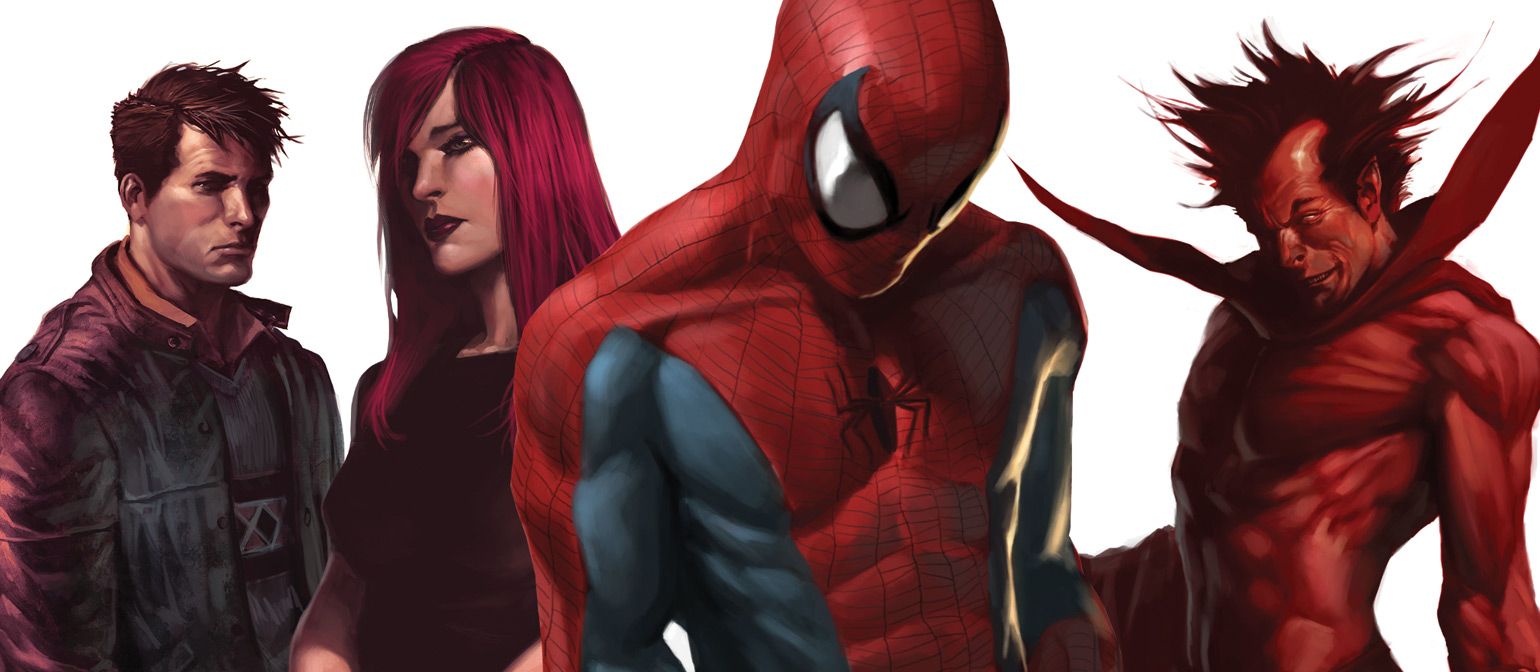
Most Spider-Man fans consider the 2007 storyline “One More Day” to be one of the worst in years. It pushed Peter Parker to his breaking point when Aunt May was shot by a henchman of Kingpin. Desperate, Spider-Man made a deal with the devil, Mephisto, trading his marriage to Mary Jane to save Aunt May’s life. This effectively erased their relationship, unnecessarily reset Spider-Man’s story, and angered fans globally.
Marvel made a poorly received editorial choice, aiming to portray Spider-Man as a younger character. Longtime fans strongly disliked the change. To make matters worse, Joe Quesada attempted to introduce a new love interest, Carlie Cooper, who was reportedly based on his own daughter.
When Kamala Khan, also known as Ms. Marvel, first appeared in 2013, fans were thrilled by her potential as a unique superhero. Her relatable origin story, rooted in her experience as the daughter of immigrants, was a refreshing addition to the Marvel universe. However, the company later altered this compelling background, seemingly prioritizing marketing tie-ins over the character’s established story.
Okay, so as a longtime Ms. Marvel fan, I was seriously bummed when they changed her origin story in the comics. It felt like they completely threw away everything they’d built with Kamala over the past ten years, killing off the original Ms. Marvel and then just… making her a mutant. Honestly, it felt like a huge step backward, and I think that’s why a lot of fans lost interest shortly after. It just didn’t feel right.
The Ultimate X-Men comic series had several strange plot points, but the most shocking involved the relationship between Wanda and Pietro Maximoff (also known as Scarlet Witch and Quicksilver). The series portrayed them as having an incestuous relationship, which almost no one addressed—except for Captain America, who pointed it out. Surprisingly, when Steve Rogers did voice his concerns, the Wasp dismissed him as being outdated in his thinking.
Marvel’s Ultimate Universe allowed writers to take risks with beloved characters without affecting the main storyline, so fans were prepared for bold choices. However, one recent storyline went too far for many readers. It didn’t enhance the overall narrative and seemed designed purely to shock, which it did, but at the expense of good storytelling.
In 2016, Marvel Comics introduced a new superhero conflict called Civil War II. It began when Ulysses, a hero who could see the future, emerged. This time, the disagreement split heroes into two sides, led by Captain Marvel and Iron Man. Captain Marvel believed Ulysses’s powers could help stop crimes before they happened, but Iron Man opposed acting on future predictions, arguing it raised difficult ethical questions.
Although the idea of whether choices are predetermined or freely made was a good starting point, Civil War II felt contrived and ultimately damaged the character it focused on. Unlike the first Civil War series, it didn’t offer a compelling reason for such a harsh conflict. Most fans believe this series was simply Marvel trying to profit from the popularity of the Captain America: Civil War movie.
The comic series Avengers & X-Men: AXIS, written by Rick Remender, started with a compelling premise: a magical mishap causes all of Marvel’s heroes and villains to swap their moral compasses. The story’s description sparked curiosity about the potential consequences of this shift. However, the series ultimately relied too heavily on this single idea, and didn’t offer much beyond the initial concept.
The biggest weakness of the series is that it didn’t focus on what made it special: its complex characters. These characters had the potential to be truly fascinating, but they lacked the depth needed to feel real, and instead came across as simple representations of good versus evil. The author, Remender, missed a great opportunity to explore them more fully.
The discovery that the Terrigen Mist, which gives Inhumans their powers, is deadly to mutants sparked a life-or-death conflict between the two groups in the Inhumans vs. X-Men event. While fans hoped the story would explore the deeper emotional and ethical implications of this war, it ultimately didn’t deliver on that promise.
The series started with an interesting concept, but it didn’t work well because Marvel seemed more focused on branding than storytelling. It felt like they were trying to replace the X-Men with the Inhumans, and fans noticed. This made the entire storyline feel forced and driven by commercial goals rather than a natural progression of the narrative. Ultimately, Inhumans vs. X-Men didn’t feel authentic, and Marvel couldn’t disguise that.
Found an error? Send it so it can be corrected.
Read More
- The Division Resurgence Best Weapon Guide: Tier List, Gear Breakdown, and Farming Guide
- Last Furry: Survival redeem codes and how to use them (April 2026)
- Clash of Clans Sound of Clash Event for April 2026: Details, How to Progress, Rewards and more
- Guild of Monster Girls redeem codes and how to use them (April 2026)
- Kagurabachi Chapter 118 Release Date, Time & Where to Read Manga
- GearPaw Defenders redeem codes and how to use them (April 2026)
- After THAT A Woman of Substance cliffhanger, here’s what will happen in a second season
- Limbus Company 2026 Roadmap Revealed
- Wuthering Waves Hiyuki Build Guide: Why should you pull, pre-farm, best build, and more
- Gold Rate Forecast
2026-02-27 20:10