The fact that Sinners didn’t win Best Picture, losing to One Battle After Another, highlights the disconnect between what audiences like and what the Academy chooses. Some see this as another example of popular, well-received movies being overlooked in favor of critically acclaimed but less popular films. And Sinners isn’t the first time this has happened – throughout the years, many nominated films have surprisingly failed to win any awards.
As a movie fan, I’ve come to expect the Oscars to be a bit controversial every year – remember the Moonlight mix-up? And it always feels like they love to hint at big nominations, but then end up overlooking the films everyone actually went to see! It’s frustrating because sometimes a movie seems destined to win everything, and then gets completely shut out. It’s happening again with the 2026 nominations, and honestly, it’s getting predictable.
The Irishman Was a Far Cry From De Niro’s Best Gangster Movies
In 2019, Martin Scorsese returned to the world of gangster films with The Irishman. The movie, about an Irish-American hitman involved with the Italian mob, appealed to fans of his earlier work like GoodFellas and brought many to Netflix. However, it proved to be a lengthy and detailed story, particularly focusing on figures like Jimmy Hoffa, and its long runtime challenged viewers’ endurance.
With Martin Scorsese directing and a strong cast and visuals, many expected the film to win at least one Oscar, if not for the direction itself. The fact that it didn’t win any of its ten nominations led some to wonder if streaming films are unfairly overlooked by the Academy. However, it’s hard to deny that the movie hasn’t held up as well over time compared to Scorsese’s earlier films, which for many, justifies the shutout.
Martin Scorsese Couldn’t Land Killers of the Flower Moon
Four years after being overlooked for his film The Irishman, Martin Scorsese faced another potential snub with his new crime drama. The movie is based on the disturbing true story of the Osage Murders in the 1920s. It stars Leonardo DiCaprio as Ernest Burkhart, a World War I veteran whose life takes a dark turn when his uncle instructs him to secretly target and harm members of the Osage Nation in order to steal their oil money.
Many praised Killers of the Flower Moon for its detailed portrayal of Osage culture and the racial issues in 1920s Oklahoma. Despite some criticism, most people thought the film was almost guaranteed to win at least one of its ten Academy Awards. However, Martin Scorsese left the ceremony without a win, which felt like a surprising oversight, especially compared to the reception of The Irishman. While Oppenheimer‘s win for Best Picture wasn’t unexpected, the complete shutout for Killers of the Flower Moon was a shock to many.
The Turning Point Was Left in the ’70s
The Turning Point tells the story of DeeDee Rodgers, a ballerina who must leave her dance company in New York when she becomes pregnant. She and her husband, Wayne, move to Oklahoma to open her own studio, where she pursues her passion while also raising a family. Though the film was well-regarded at the time, it hasn’t held up as well over the years compared to other movies from the 1970s.
With ten nominations, The Turning Point is clearly designed to appeal to Academy voters and a specific art-house audience, rather than a broad mainstream crowd. Considering the 1970s produced so many incredible films, it’s understandable that Herbert Ross’s movie didn’t stand out. It faced tough competition from films like Close Encounters of the Third Kind, Sorcerer, and Annie Hall, making its loss predictable.
The Color Purple Spurred Uncomfortable Discussions
Based on Alice Walker’s novel, The Color Purple tells the story of Celie Harris-Johnson, an African American woman facing the harsh realities of racism in early 1900s Georgia. Celie’s life is marked by hardship, trauma, and a longing for freedom, and the story offers a powerful exploration of misogyny, racism, and sexual violence. Despite aiming to highlight these issues, the film also sparked debate regarding who was directing the story.
The film sparked further controversy when it didn’t win any of the ten awards it was nominated for, with some people claiming the Academy Awards were insincere. Many viewers already felt the movie didn’t portray Black Americans authentically, and the shutout seemed to confirm those concerns. Over time, this has led to growing skepticism among audiences, especially as increasingly diverse films are consistently overlooked by the Academy, receiving neither nominations nor wins.
The Banshees of Inisherin is Martin McDonagh’s Most Artsy Drama
Set in 1923 on the remote island of Inisherin, The Banshees of Inisherin tells the story of Colm, who abruptly ends his years-long friendship with Padraic. Hurt and confused, Padraic tries to understand and repair the relationship, but his efforts only escalate the conflict. Colm shockingly threatens to harm himself each time Padraic speaks to him, and soon the entire island community is drawn into their escalating feud, with each attempt at reconciliation making things worse.
Many film lovers were captivated by Banshees of Inisherin, and it was widely predicted to be a major awards contender. Director Martin McDonagh brought back the winning combination of Colin Farrell and Brendan Gleeson from their hit film In Bruges, creating what many considered his most accessible and Oscar-worthy work to date. However, despite near-universal acclaim, the film surprisingly didn’t win in any of the eight categories it was nominated for.
American Hustle Tried to Revive Heist Movies
Released alongside other successful heist movies like Now You See Me, American Hustle tells the story of a quirky team of con artists trying to pull off a casino robbery while evading the authorities. The film clearly aims to be a modern take on the classic Ocean’s Eleven.
While many films are remembered for losing at the Oscars, American Hustle‘s ten losses weren’t a shock. Despite doing well at the box office, it didn’t generate much positive buzz. In fact, it’s a prime example of a movie that quickly faded from public memory after leaving the awards ceremony with nothing to show for it.
Gangs of New York is Scorsese’s Overlooked Period Piece
Martin Scorsese, known for his films about crime and history, brought those interests together in his epic movie, Gangs of New York. The film takes place in 1860s New York City and centers on Amsterdam, whose father, a Catholic gang leader, is killed by a ruthless man named Bill the Butcher. Amsterdam comes to the city seeking revenge, and gets close to Bill, waiting for the right moment to strike.
While Gangs of New York didn’t win any Oscars, it was still a well-regarded and successful film, particularly praised for its detailed and realistic depiction of history. Despite receiving ten nominations, it didn’t take home any awards, though it arguably deserved recognition for its costumes and set design.
The Shawshank Redemption Set a Stephen King Record
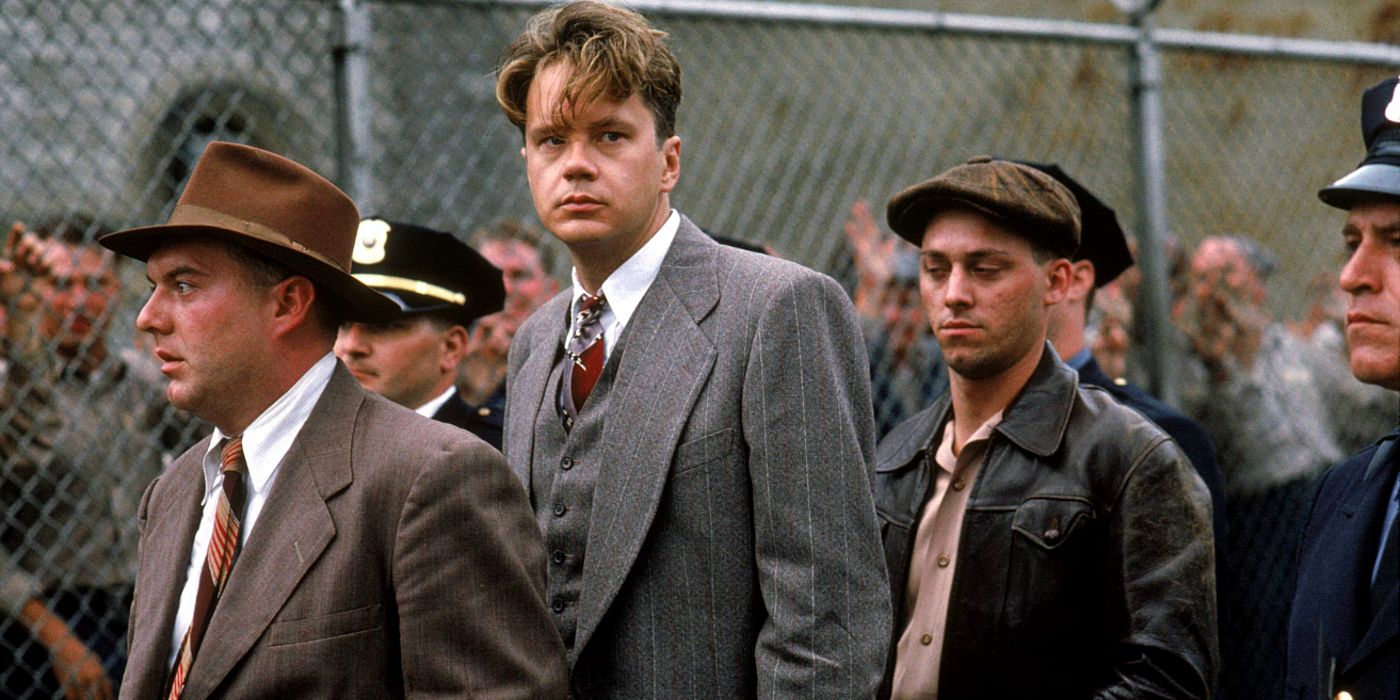
Inspired by Stephen King’s short story, The Shawshank Redemption follows Andy Dufresne, who is unjustly convicted of killing his wife and her lover. While serving a life sentence at Shawshank State Penitentiary, he forms friendships with other prisoners, but also makes some powerful enemies. Despite receiving seven Academy Award nominations, the film wasn’t a box office success and didn’t win any Oscars.
The seven Oscar nominations for The Shawshank Redemption are unusual because the Academy recognized a film that wasn’t initially a box office success. Despite the nominations, the movie didn’t win any awards, which ironically helped it become a beloved cult classic. Over time, however, the film has gained even wider recognition and appreciation for its powerful story.
True Grit is Among the Greatest 21st Century Westerns
This film, based on the novel by Charles Portis, was a return to the Western genre for the directors after their acclaimed film No Country for Old Men. It tells the story of a teenage boy and two law officers tracking down a killer, and it was praised for staying true to the original book. Though the film received recognition from the Academy Awards, it didn’t ultimately win any.
Even though True Grit is considered one of the best and most captivating Westerns made in recent years, it surprisingly didn’t win any of the ten awards it was nominated for. This might be because Westerns aren’t as popular with audiences now, or maybe because the Coen Brothers had such a big hit in 2007. Regardless, it’s a beautifully made story about revenge, and it really deserved recognition for its visuals, acting, and direction.
The Elephant Man Made David Lynch a Legend
Often considered a master of surrealist film, director David Lynch’s powerful film, The Elephant Man, doesn’t receive the attention it deserves. The movie tells the true story of a Victorian-era doctor who meets John Merrick, a man with severe physical differences and learning challenges who is exploited in a sideshow. The film challenges viewers to confront their own biases as it follows the doctor’s efforts to help Merrick navigate a society that fears and misunderstands him.
This film is a classic example of an artistic movie that didn’t quite reach a wide audience, and even some fans of independent cinema find it strange. Though David Lynch’s directing talent was acknowledged by the Academy Awards, The Elephant Man has become recognized as one of his greatest achievements – a powerful story about the importance of understanding and compassion.
Found an error? Send it so it can be corrected.
Read More
- Gold Rate Forecast
- Limbus Company 2026 Roadmap Revealed
- After THAT A Woman of Substance cliffhanger, here’s what will happen in a second season
- Last Furry: Survival redeem codes and how to use them (April 2026)
- GearPaw Defenders redeem codes and how to use them (April 2026)
- Genshin Impact Version 6.5 Leaks: List of Upcoming banners, Maps, Endgame updates and more
- Wuthering Waves Hiyuki Build Guide: Why should you pull, pre-farm, best build, and more
- XO, Kitty season 3 soundtrack: The songs you may recognise from the Netflix show
- Guild of Monster Girls redeem codes and how to use them (April 2026)
- The Division Resurgence Best Weapon Guide: Tier List, Gear Breakdown, and Farming Guide
2026-03-16 23:40