Shonen anime often features lengthy storylines that need to build gradually to feel earned before reaching a big finale. To make the increasing challenges believable, a series must develop its stakes organically – instead of just adding problems for the sake of it. This careful timing is what distinguishes truly great shows from more common ones.
Strong stories rely just as much on well-developed characters as they do on exciting animation or action sequences. The best storylines use challenges to reveal a protagonist’s true nature when things get difficult. Whether it’s a tournament, a large-scale fight, or a subtle investigation, the core idea is always the same: increase the pressure and make the character earn their victories through struggle.
Yu Yu Hakusho’s Dark Tournament Arc Is a Brilliant Character Study
Rather than using a cheap trick, the way the Dark Tournament is set up in Yu Yu Hakusho is key to developing its characters. Each fight highlights a specific weakness or strength in those fighting – like testing Kurama’s strategic thinking, Hiei’s strong pride, and Yusuke’s determination. This keeps the story fresh and prevents it from becoming predictable.
Team Toguro is different from most villains in shonen anime because Younger Toguro embodies everything Yusuke fears becoming. He’s a chilling reminder of what happens when a skilled martial artist loses their humanity and obsessively chases power, becoming completely isolated. The entire story arc of Yu Yu Hakusho leads to this deep conflict of ideas, making their final battle incredibly impactful.
Dragon Ball Z Kai’s Frieza Saga Perfects Shonen Escalation
Dragon Ball Z Kai streamlines the original series by removing slow parts, bringing out the fast-paced and exciting story found in the original manga. The villains’ power-ups work well because they change the fight without losing sight of what’s at risk emotionally. This makes important moments, such as Vegeta’s death, much more impactful than in the longer, less focused version of the show.
When Goku reaches Namek, the story shifts focus from immediate power to building anticipation. The narrative deliberately shows Frieza’s brutality before offering any rewards, and Dragon Ball Z Kai highlights this as a key element. This extended build-up is exactly what makes Goku’s Super Saiyan transformation so iconic and frequently referenced.
Demon Slayer’s Entertainment District Arc Balances Comedy & Tragedy Flawlessly
The Entertainment District storyline skillfully balances intense action with surprisingly dark themes, largely through the charismatic character of Tengen Uzui. Even with all the excitement, the story’s tragic core remains prominent. The arc ultimately reframes Daki and Gyutaro – initially presented as terrifying villains – revealing them to be deeply troubled siblings let down by those who should have protected them.
Watching Tanjiro fight Gyutaro, I noticed he had to rely on more than just his sword skills – he really had to think his way through the battle. It became clear that brute strength wasn’t going to be enough. And after the emotional weight of the Mugen Train arc, this new storyline in Demon Slayer felt like a real payoff. It showed the series can deliver both incredible action and genuinely moving character moments at the same time.
One Piece’s Marineford Arc Delivers The Genre’s Highest Stakes
Watching One Piece, I was really struck by how well the Marineford arc paid off. The story had been building to it for over ten years, and it felt like every group involved had a real, established history. The impact of Whitebeard’s final battle wasn’t just spectacle; the creator took the time to show his crew as a true family, making their struggles feel deeply personal. Because of that careful groundwork, the events actually meant something, and a particularly heartbreaking loss fundamentally changed the main character, pushing him to grow up and find new purpose.
The conflict at Marineford isn’t just a battle; it showcases clashing ideas of justice through characters like Sengoku, Akainu, and Garp. While One Piece usually avoids permanently killing off important figures, the high number of deaths in this war emphasizes that the story is serious about portraying the true cost of conflict.
Rurouni Kenshin’s Kyoto Arc Confronts Kenshin With His Own Past
In Rurouni Kenshin, the villain Shishio Makoto represents what the hero, Kenshin, might have become if he hadn’t abandoned his life as a killer. Their fights aren’t just physical; they’re a powerful argument about what’s right and wrong, and how past violence affects people.
The intense conflict between Kenshin and police officer Saito Hajime highlights a central idea: Saito embodies the official, lawful use of violence that Kenshin has tried to leave behind. The story of Rurouni Kenshin concludes by emphasizing Kenshin’s journey toward making amends, ensuring that even in large-scale conflicts, the personal consequences remain clear.
Haikyu!!’s Tokyo Nationals Arc Turns Volleyball Into Pure Tension
The Tokyo Nationals arc of Haikyu!! is brilliantly paced, with each point feeling like a strategic move in a chess match. The long-standing rivalry between Karasuno and Nekoma reaches a peak in a match filled with constant tension. What’s especially impressive is how Hinata and Kageyama’s signature quick attack develops during the game, making the actual volleyball play central to their growth as characters, rather than just something happening in the background.
The contrast between Kenma’s calm focus and Hinata’s boundless energy adds a fascinating mental layer to their volleyball match, as they embody very different ways of playing the same sport. Haikyu!! demonstrates that a sports anime can be just as exciting and compelling as shonen anime with superpowers, all without relying on any supernatural abilities.
Jujutsu Kaisen’s Shibuya Incident Arc Breaks Its Own Rules
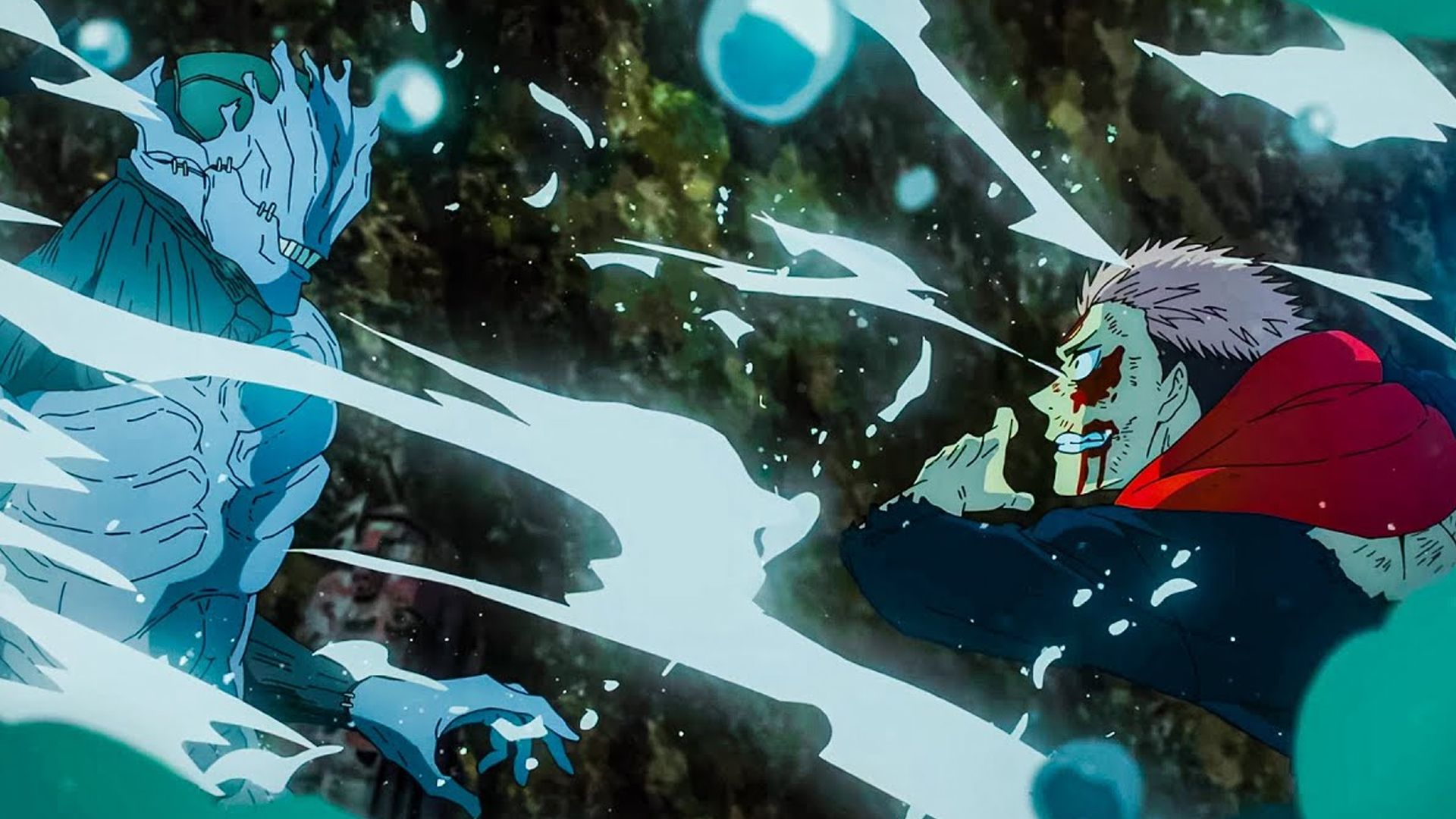
The Shibuya Incident arc dramatically changes everything in JJK, overturning the established power dynamics after two seasons of buildup. With Gojo unexpectedly taken out of the picture, all the remaining characters are left to fend for themselves without their usual protector. This leads to a brutal confrontation between Yuji and Mahito, where they finally grapple with the central theme of the series: what truly defines humanity versus curses.
Honestly, what really struck me about Nobara and Nanami’s stories is how Jujutsu Kaisen doesn’t shy away from letting characters face real, lasting consequences. It’s so different from a lot of other action series where everyone usually bounces back! That willingness to go there keeps you on the edge of your seat, constantly worried about who might not make it. And the way Sukuna’s power finally breaks through? It wasn’t a moment of celebration, it was genuinely terrifying – a feeling you rarely get at the end of a big shonen battle.
The Promised Neverland’s Jailbreak Arc Executes A Perfect Escape Thriller
The first part of The Promised Neverland relies heavily on hidden information and the clever plan Emma, Norman, and Ray devise against Isabella. What makes it work is that the show respects the audience’s ability to follow the clues right alongside the characters. Norman’s difficult choice presents a rare moral dilemma for a shonen series, highlighting how both intelligence and kindness can be powerful, yet risky, traits.
Honestly, Isabella’s story is just so tragic, and it really messes with you when she’s the one trying to stop the kids from escaping. But then, seeing her almost accept their win? It totally changes how you see her – she’s not just a villain, she’s a victim of the same messed-up system as everyone else. And the first season of The Promised Neverland ends on this HUGE cliffhanger! What’s amazing is that all the tension comes from the characters making these incredibly difficult decisions, not from some silly plot twists. That’s why so many fans, myself included, still think this first escape arc is the absolute best part of the whole series.
Death Note’s L Saga Creates Shonen’s Best Rivalry
The conflict between Light and L isn’t about physical strength; it’s a contest of wits. Since neither can overpower the other, each episode focuses on psychological tactics rather than fighting. L cleverly hides his insightful understanding of Light’s personality, allowing him to close in on the killer more quickly than Light anticipates.
Watching Light throughout the series, it became clear he’d use anyone – Misa, Rem, even the task force – to get what he wanted. He wasn’t afraid to sacrifice anyone. On the other hand, L was completely focused on the case, even if it meant risking his own reputation by making public accusations. The way Death Note ends is particularly striking. Light ultimately ‘wins,’ but at a cost: he loses the one person who truly challenged him, and it makes you look back at everything that happened in the latter half of the story in a completely different light.
Hunter x Hunter’s Yorknew City Arc Rewards Patient Plotting
The Yorknew City arc of Hunter x Hunter expertly balances storylines from three groups – the Phantom Troupe, the mafia, and auction hunters – without feeling hurried. Kurapika’s journey forms the emotional center of this arc, powerfully emphasized by his Nen ability and the intense hatred that drives him.
Hisoka subtly controls Chrollo and the Phantom Troupe, creating a lingering sense of unease that unfolds over several episodes, rather than in one big moment. The fight between Kurapika and Uvogin is also remarkable for its careful, step-by-step approach. Hunter x Hunter demonstrates that a shonen anime can focus on clever tactics and building tension instead of just overwhelming power and flashy fights, and still provide a truly rewarding ending.
2026-07-23 23:42