Even popular movie series sometimes have one film that doesn’t quite fit with the rest. This can happen when a series is still developing its style, or because filmmakers try something new, change the mood, or respond to what audiences want. These films often stand out as different from the others, for good or bad.
Just because a movie feels different from others in its series doesn’t automatically make it bad. Actually, some of the most memorable films in long-running franchises are the ones that break the mold – they either try something completely new or deliberately go against what’s expected. These movies often shine because they focus on different styles, moods, or ways of telling a story compared to the rest of the series.
Mission: Impossible 2 (2000)

Mission: Impossible 2 stands out as quite different from the later films in the series. Directed by John Woo when he was a major action director in Hollywood, the movie has a very bold and flashy style. It feels over-the-top and makes heavy use of slow motion.
Mission: Impossible 2 brought in elements that would become hallmarks of the series, such as technology to alter voices, deceptive masks, and Ethan Hunt’s penchant for motorcycles. However, the film prioritizes over-the-top action sequences over traditional spy work. It’s filled with dramatic moments, spinning kicks, and doves, often sacrificing suspense and believability.
The film came out early in the series’ development, and looking back, it feels very different from the more realistic and carefully made movies that followed. MI:2 is a classic example of early 2000s action movies, famously featuring a Limp Bizkit theme song that really captures the spirit of the time.
Halloween 3: Season Of The Witch (1982)

Halloween 3: Season of the Witch is well-known for being very different from the other Halloween movies. It doesn’t include the character Michael Myers, follow the typical slasher format, or continue the story of Laurie Strode. Instead, it’s a unique and unsettling blend of folk horror and science fiction, focusing on haunted masks and ancient, hidden plots.
The film’s reputation declined because viewers wanted a typical Michael Myers sequel, but it turned out to be a collection of unrelated horror stories. John Carpenter initially planned Halloween as a series of individual, self-contained tales. Reintroducing Myers so soon in Halloween II quickly solidified audience expectations for a traditional series, which this film didn’t deliver.
Honestly, when Season of the Witch first came out, most people seemed really puzzled by it. But I think if you watch it without comparing it to the other Halloween movies, it’s actually quite good – really intriguing and with a cool, spooky vibe. It definitely feels different from the rest of the series, like a strange but captivating side trip. It doesn’t quite fit, but I find that part of its charm.
The Fast and the Furious: Tokyo Drift (2006)

The Fast & Furious series has essentially been divided into two phases: the first focused on car culture, and the second on large-scale, international heists. Tokyo Drift doesn’t quite fit neatly into either of these phases. For a long time, it was treated as a separate story, introducing new characters and taking place in a different location with very little connection to the rest of the Fast & Furious world.
The film’s focus on street racing and car modification fit nicely with the original movies. However, as the series became more about superpowers and big action, Tokyo Drift felt different. While later films tried to connect it to the main storyline, the difference in style and feel is still noticeable.
Compared to the later Fast & Furious movies that focus on family and teamwork, Tokyo Drift feels more unique and separate. It’s a bit of an odd one out, and that’s what makes it memorable. It doesn’t quite fit with either the earlier or later films, even when they’ve tried to connect it to the rest of the series.
Logan (2017)
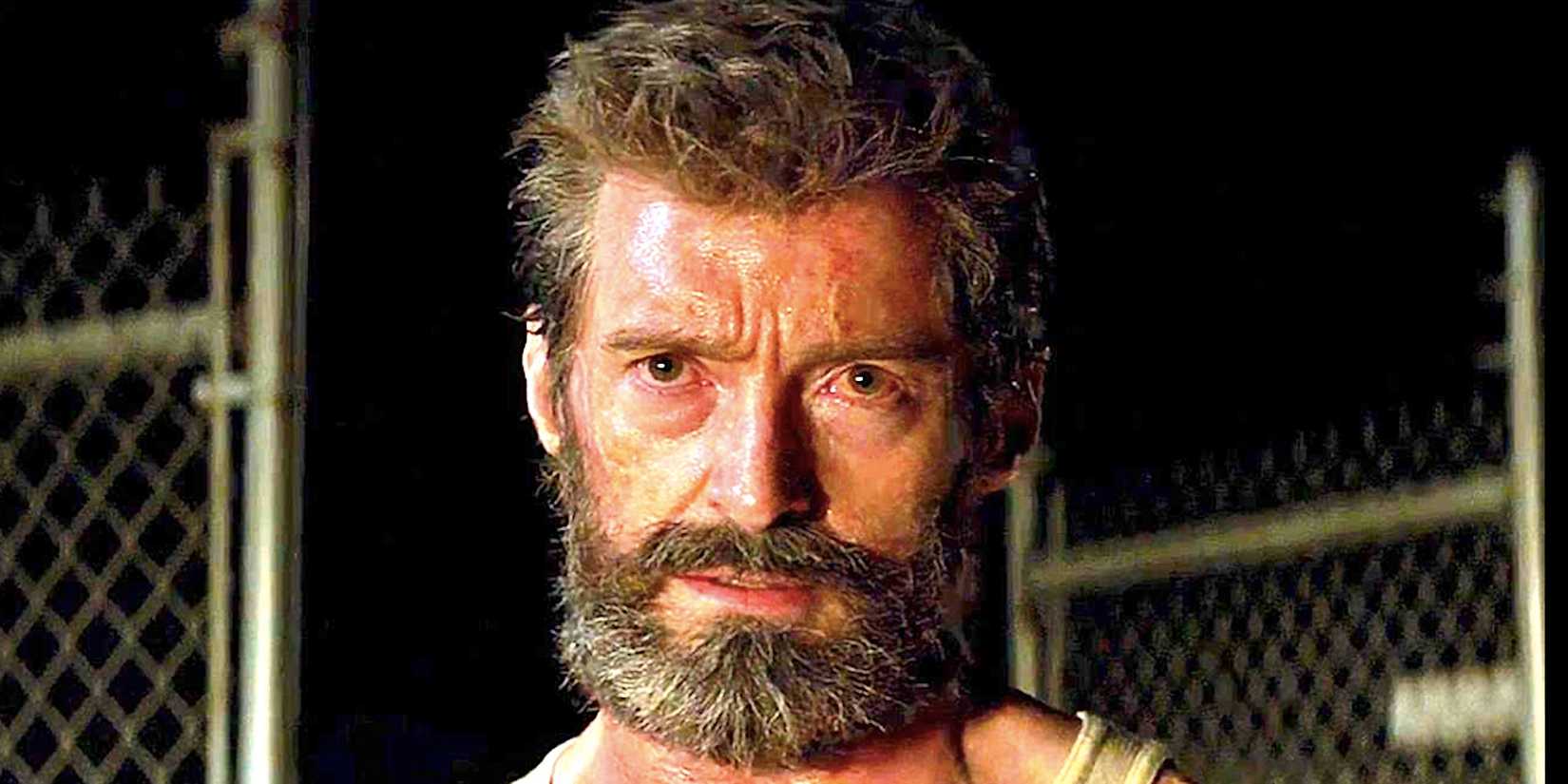
Unlike other X-Men films, Logan doesn’t just feel different – it deliberately sets itself apart. It’s a dark, realistic, and often violent movie that focuses on the characters themselves, rather than typical superhero action. Expect a grim tone, serious themes, and very little hopefulness.
The movie smartly presents the X-Men as a legendary story within its own universe. This creative choice lets Logan offer a fresh perspective and distance itself from previous films. This difference in tone makes Logan feel less like a typical sequel and more like a unique, modern western.
Though quite different from other movies in the series, Logan is likely improved by this change. It demonstrates that breaking away from franchise expectations can actually be a positive thing, resulting in one of the most highly praised superhero films of all time by completely avoiding typical formulas.
Ant-Man and the Wasp: Quantumania (2023)

Ant-Man and the Wasp: Quantumania feels very different from the earlier Ant-Man films – it’s as if the Marvel Cinematic Universe forgot what fans enjoyed about them. The first two movies were funny, light, and focused on smaller-scale adventures. Quantumania, however, shifts gears, prioritizing complex backstory and setting up future storylines instead.
The main purpose of Quantumania was to set up the canceled Avengers: The Kang Dynasty movie. It lacks strong humor, features a predictable storyline, and relies heavily on computer-generated imagery. The film doesn’t effectively utilize the core concept of shrinking and growing, making Ant-Man’s abilities feel unimportant.
Almost any Marvel character could have fit into the story without much alteration. By focusing more on setting up future movies than on what would be enjoyable for the characters, Ant-Man and the Wasp: Quantumania feels like a standard science fiction film instead of a proper sequel. It essentially turned a distinctive and interesting Ant-Man series into a typical, visually-driven sci-fi movie.
Alien Vs. Predator (2004)

The movie Alien vs. Predator had a strange effect on both the Alien and Predator series, impacting them in different ways. While the Alien films are generally known for their suspense and terrifying creatures, this movie felt like a downgrade. It traded the slow-building fear and gruesome body horror for a lot of noisy action, and the usually frightening Xenomorphs became less threatening when they were simply used as enemies to be defeated.
But when it comes to the Predator series, AVP actually works quite well. The Xenomorphs provide the Predator with a truly impressive and challenging foe, which explains why the Predator enjoys the hunt so much. The idea of the Predator’s culture colliding with the Alien’s life cycle makes sense, even if the movie isn’t perfect in how it’s done.
The movie AVP doesn’t quite fit within the established style of either the Alien or Predator series. It diminishes the scary atmosphere that Alien is known for, but ironically gives Predator a truly worthy opponent. As the Predator films become more sophisticated, AVP increasingly feels like an oddity that doesn’t quite fit in.
Mad Max (1979)

The first Mad Max movie is quite different from the action-packed films that came after it. Compared to The Road Warrior, Beyond Thunderdome, and Fury Road, it’s surprisingly low-key. It’s more of a raw, inexpensive thriller about revenge, taking place in a world that’s starting to fall apart.
You know, watching the original Mad Max is really different than what you’d expect if you’re used to the later films. The car chases are awesome and fast-paced, but they feel…real, like they could actually happen. And the whole post-apocalyptic world isn’t as over-the-top as it becomes in the sequels – it’s much more understated and believable, which I really appreciate.
By the time Mad Max 2 came out, the series had become much more over-the-top, with exaggerated violence and a mythical quality. Because of this, the first Mad Max film now seems surprisingly restrained and realistic when you look back on it. Although it started the whole series, Mad Max tells a much more down-to-earth and personal story than any of the sequels.
First Blood (1982)
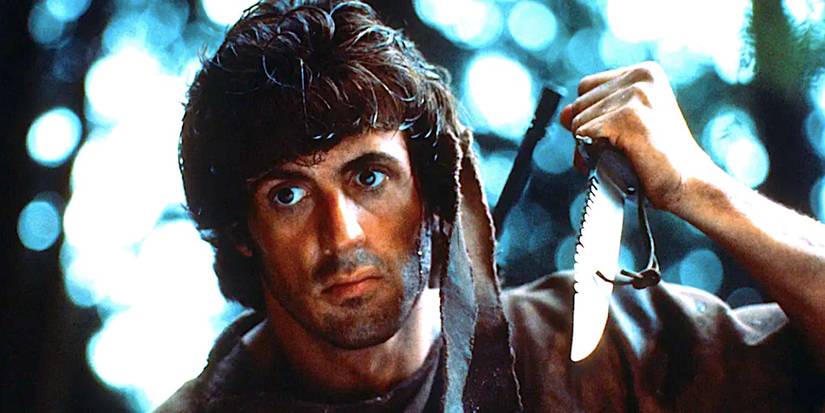
First Blood is widely considered the best Rambo movie, but it’s surprisingly different from the rest of the series. While the sequels are known for explosive action, the original film is a more thoughtful and serious exploration of a troubled man dealing with emotional wounds and feeling like an outsider.
John Rambo isn’t shown as an invincible hero; instead, he’s a Vietnam War veteran with deep emotional scars who is driven to extremes by the unfair treatment he receives. The violence in the first film is limited and often heartbreaking, not celebratory. However, subsequent movies changed Rambo into a more traditional patriotic action star, emphasizing action, the number of enemies defeated, and grand displays.
Unlike the original First Blood, which focused on the pain of war and its effects on veterans, the sequels moved in a completely different direction. Looking back, the series ended up embracing the very things the first film subtly condemned, making First Blood a unique and separate entry in the franchise.
The Cloverfield Paradox (2018)

The reason The Cloverfield Paradox feels disjointed is that it wasn’t originally intended to be a Cloverfield movie. It started as a separate sci-fi script called God Particle and was later connected to the Cloverfield franchise during the filmmaking process.
The last film also became part of the Cloverfield series, but unlike 10 Cloverfield Lane – which cleverly linked to the first movie’s themes – Paradox feels like a stretch. It dives deep into science fiction, moving away from the realistic horror and suspense that made the franchise popular.
J.J. Abrams’ attempt to explain the multiverse in the film, using an accident with a particle accelerator, feels forced and like a fix for plot holes rather than a natural part of the story. The movie overexplains things, leaving the overall story feeling empty. By giving a disappointing explanation for where the original monster came from – involving a wormhole – Paradox actually weakens the franchise instead of making it better.
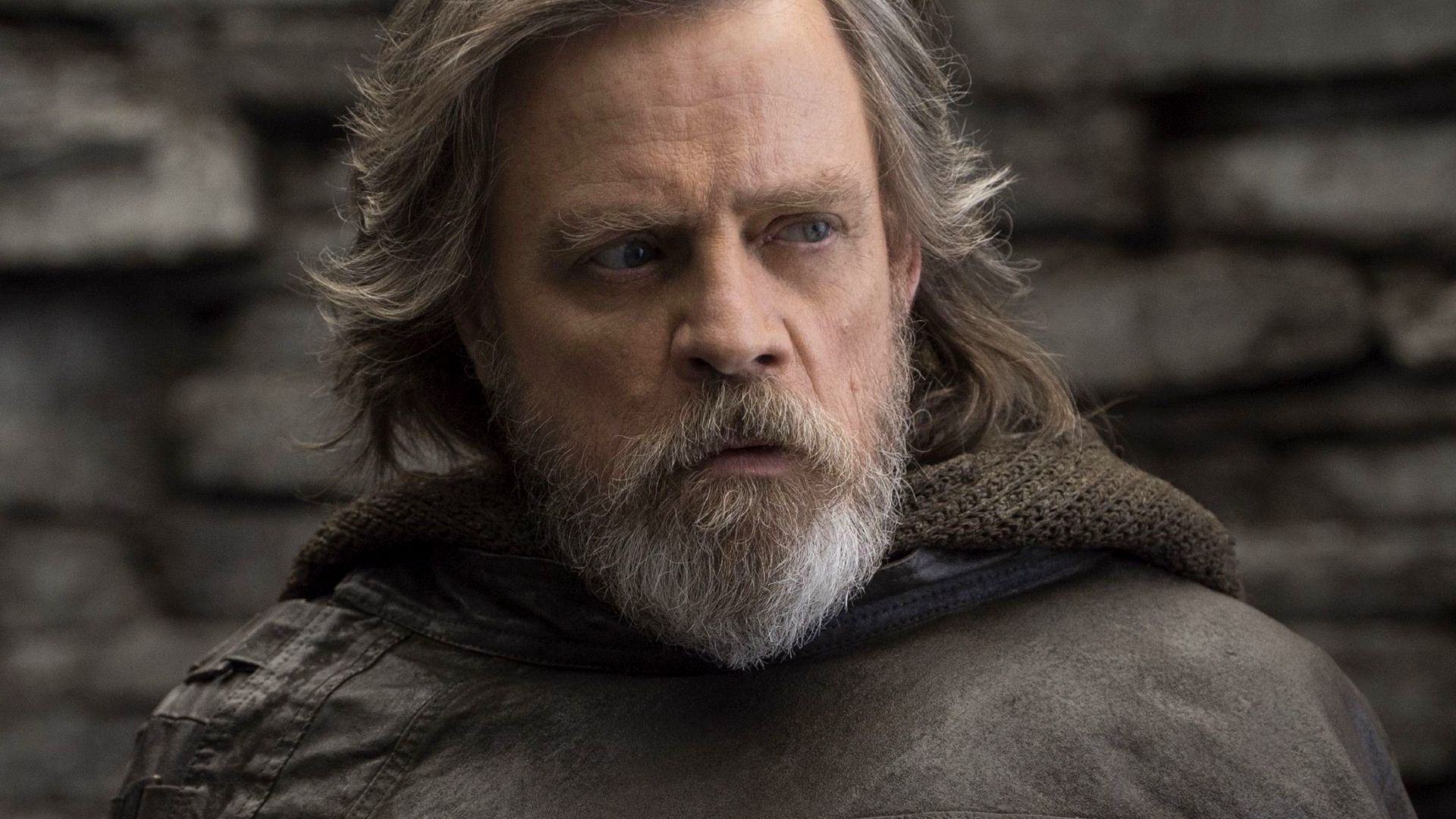
Star Wars: The Last Jedi (2017)

The Last Jedi is different from other Star Wars films in its overall feel, look, and themes. It has a darker, more artistic visual style, with lighting and camera angles that deliberately break from the traditional Star Wars aesthetic. The story also goes against or ignores many of the things established in The Force Awakens.
Okay, so this movie definitely got a reputation for being… controversial, some even call it an “anti-trilogy” film. What really stuck with me, and a lot of other fans, was how Rian Johnson completely flipped Luke Skywalker on his head. It wasn’t the hero we remembered at all – he was portrayed as someone who’d failed, which was a huge shock. And honestly, the movie felt like it was actively criticizing the whole idea of relying on nostalgia, which is kind of wild for a franchise that thrives on it!
The Last Jedi consistently encourages viewers to move beyond past events, which is ironic considering The Force Awakens heavily relied on recreating memorable moments from the original Star Wars films. This focus on letting go, paired with a comedic style that sometimes feels like a parody, makes The Last Jedi feel intentionally different from previous installments rather than a seamless continuation of the story.
Read More
- Clash Royale Best Boss Bandit Champion decks
- Vampire’s Fall 2 redeem codes and how to use them (June 2025)
- World Eternal Online promo codes and how to use them (September 2025)
- Best Arena 9 Decks in Clast Royale
- Mobile Legends January 2026 Leaks: Upcoming new skins, heroes, events and more
- Country star who vanished from the spotlight 25 years ago resurfaces with viral Jessie James Decker duet
- How to find the Roaming Oak Tree in Heartopia
- M7 Pass Event Guide: All you need to know
- Solo Leveling Season 3 release date and details: “It may continue or it may not. Personally, I really hope that it does.”
- Kingdoms of Desire turns the Three Kingdoms era into an idle RPG power fantasy, now globally available
2026-01-18 02:22