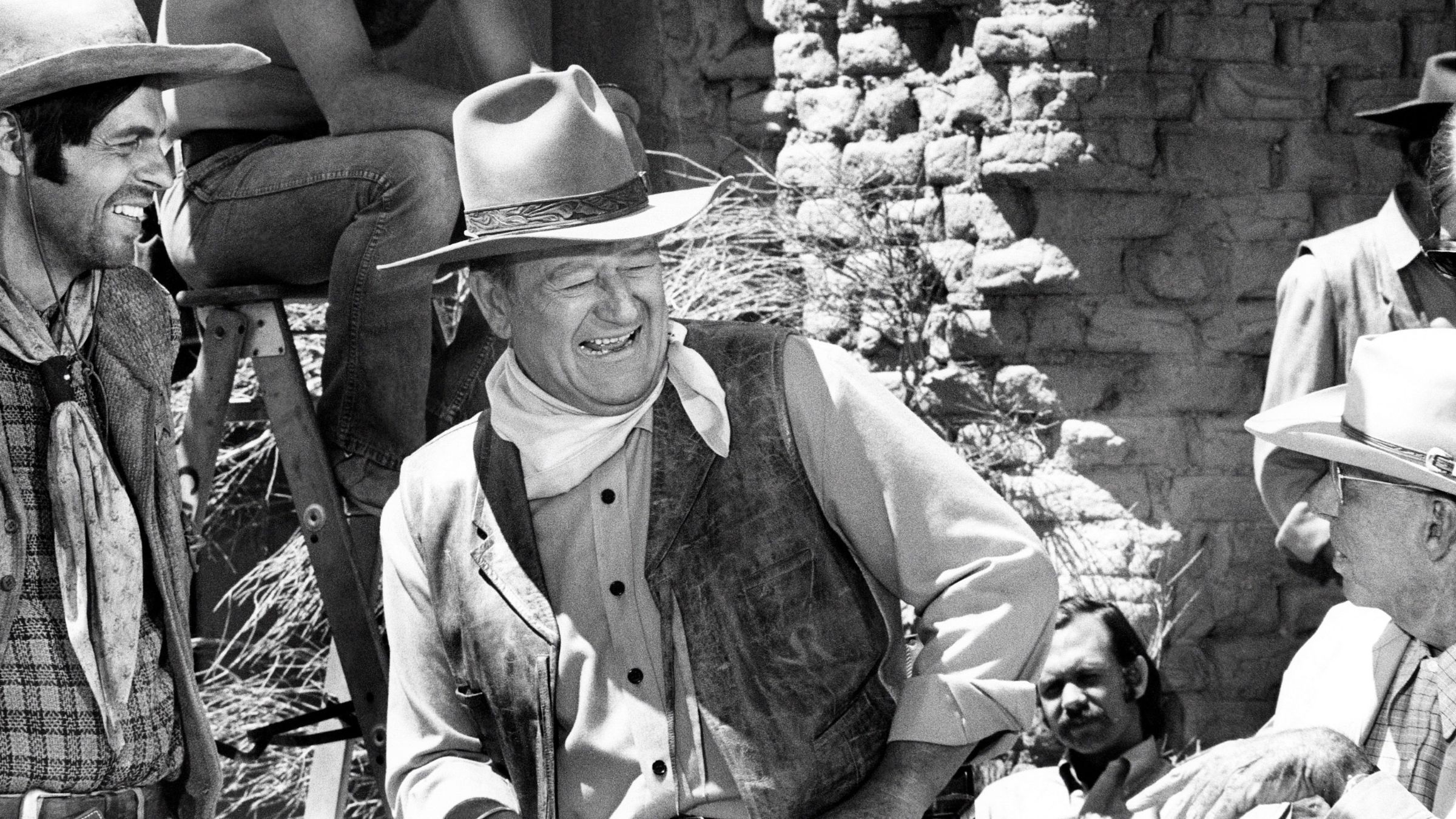
John Wayne enjoyed a decades-long, successful career in Hollywood, but he famously turned down many prominent roles. He began as a minor actor in the 1930s, and his career took off when director John Ford cast him in the film Stagecoach, launching him into the role of a leading man.
For the next forty years, Wayne consistently starred in major films, becoming famous for some of the greatest Westerns ever created, including classics like The Searchers, True Grit, Rio Bravo, and The Man Who Shot Liberty Valance. He’s still considered a screen legend today. Interestingly, John Wayne carefully chose his roles and turned down many parts due to his personal beliefs and preferences.
The Streets Of Laredo
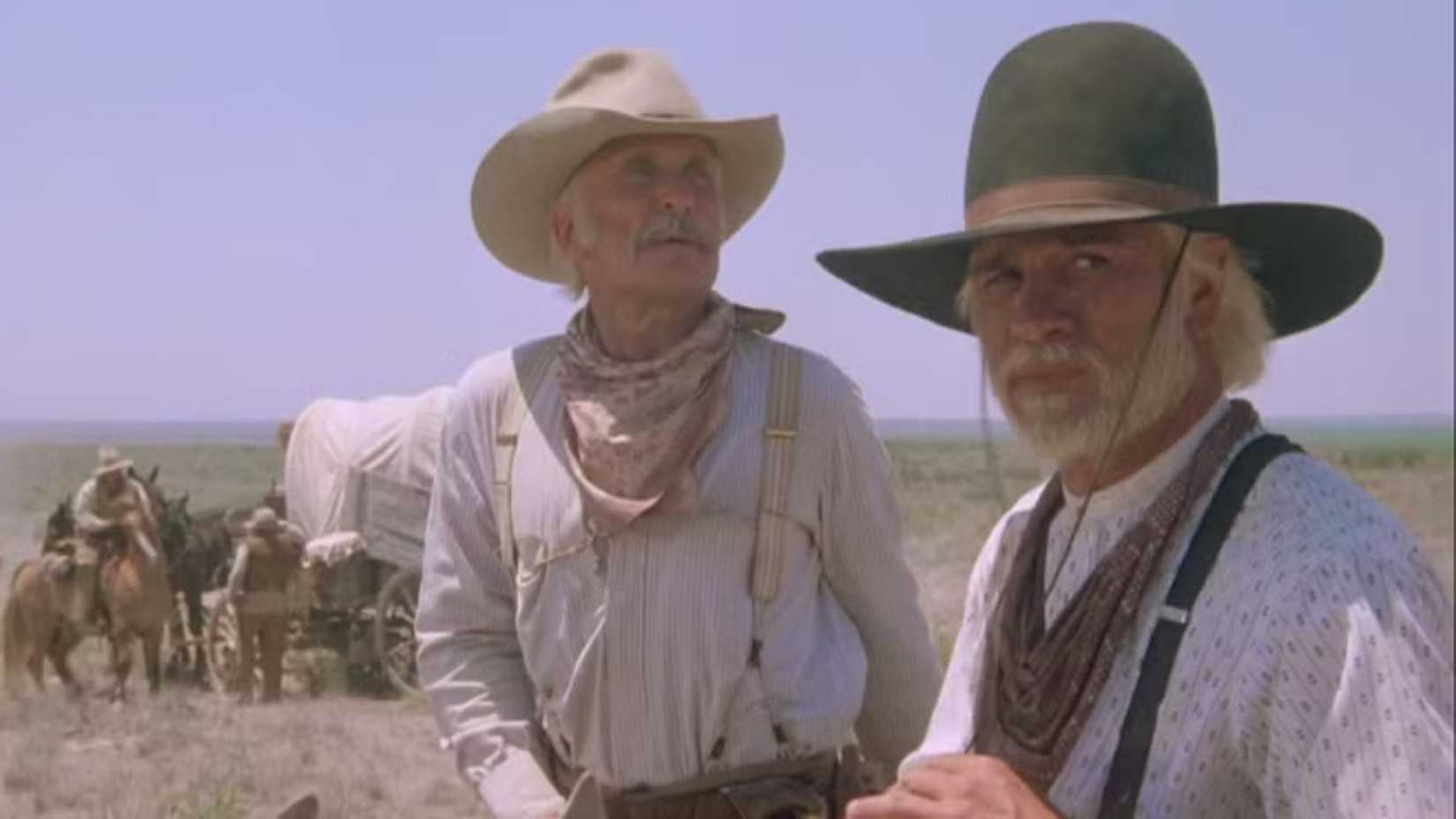
John Wayne refused a part in the movie The Streets of Laredo, which unfortunately meant the film wasn’t made at that time. Author Larry McMurtry wrote the story, and director Peter Bogdanovich was eager to bring it to the screen. With those two talents involved, it had the potential to be a huge success.
When John Wayne read the script, he didn’t like the idea because the movie was presented as the last Western ever made. Wayne felt he still had more to offer the genre and didn’t want to be part of its ending. Ultimately, without his involvement, the film was never produced.
The story didn’t end there, though. Twenty years later, McMurtry revised the script and created the television miniseries Lonesome Dove, which became one of the most acclaimed Westerns of all time. This popular series wouldn’t have existed if John Wayne had taken the part in The Streets of Laredo.
Blazing Saddles (1974)
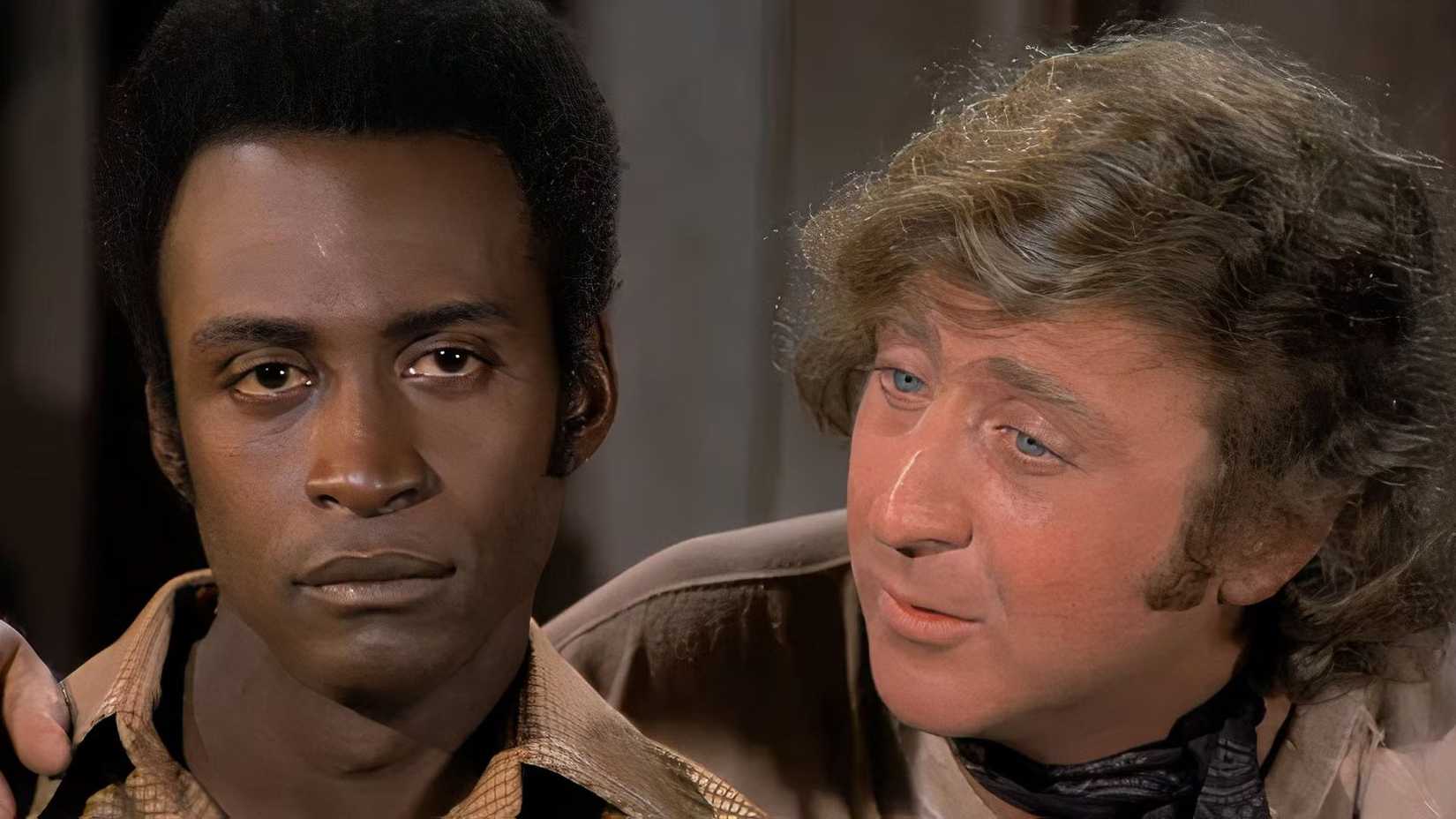
John Wayne occasionally found himself in a situation where he enjoyed a movie script and concept, but realized it wasn’t a good fit for him personally. This happened when Mel Brooks asked him to be in his comedic Western parody, Blazing Saddles. Wayne was first considered for the part of Jim the Waco Kid, and he genuinely liked the character when he read the script.
Wayne declined to be in Blazing Saddles, explaining that he thought the film was too risqué. Despite turning down the role, he admitted he’d be among the first to see it in cinemas. Ultimately, his refusal to participate was probably a good thing.
Mel Brooks initially aimed for realism when casting the Waco Kid, but Gene Wilder exceeded his expectations. Wilder didn’t fit the typical Western hero mold, but his sarcastic delivery and witty timing made the character hilarious. The role simply wouldn’t have been as funny with someone like John Wayne.
The Dirty Dozen (1967)

John Wayne often declined roles that didn’t feel right, but he was particularly adamant about avoiding The Dirty Dozen. He thought Blazing Saddles would be funny, but found The Dirty Dozen‘s story deeply unpleasant and didn’t want to be involved in any way.
John Wayne felt strongly about how war was portrayed in movies. He insisted that American soldiers always be shown as heroes and wouldn’t act in any film that depicted them negatively. He particularly disliked the character of Major John Reisman, a central issue for him.
The script included a storyline where Reisman was having an affair with a fellow soldier’s wife. John Wayne found this idea of one soldier betraying another deeply offensive and refused to appear in the film unless it was removed. As a result, the producers decided to find a different lead actor.
Heaven’s Gate (1980)
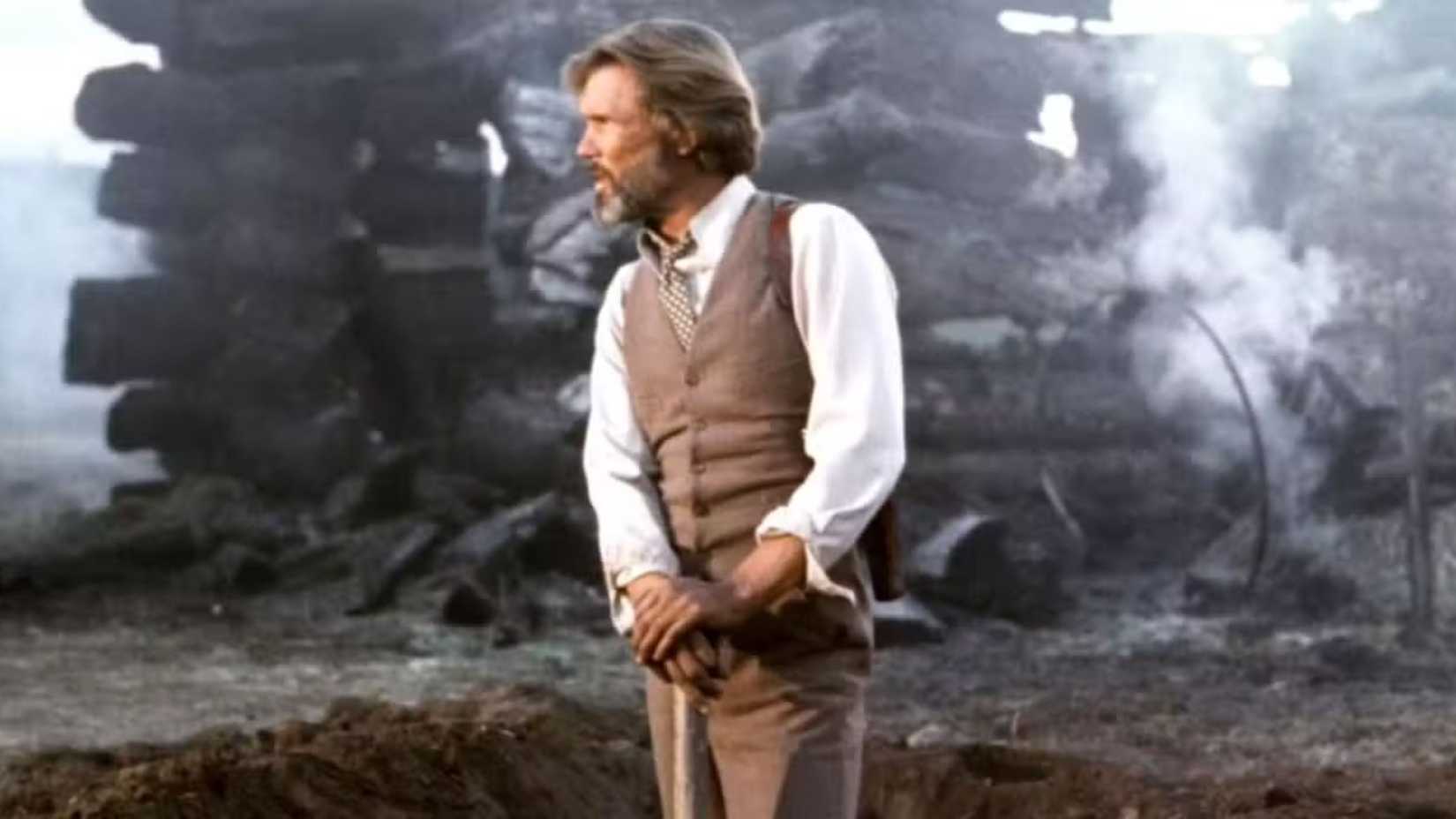
John Wayne famously declined a role in what became one of Hollywood’s biggest box office failures. Director Michael Cimino first thought of Wayne for his grand Western film, Heaven’s Gate, but Wayne was nearing the end of his life at the time.
He and Steve McQueen both initially showed interest in the movie. Unfortunately, production was delayed, and when filming finally began, he had to decline due to health problems. Without either of these popular actors, the film wasn’t successful in theaters.
John Wayne’s last movie was The Shootist in 1976. He made one final public appearance a week later, presenting the Best Picture Oscar to The Deer Hunter. Filming for Heaven’s Gate began around that time, and sadly, Wayne passed away just two months after.
All The King’s Men (1949)
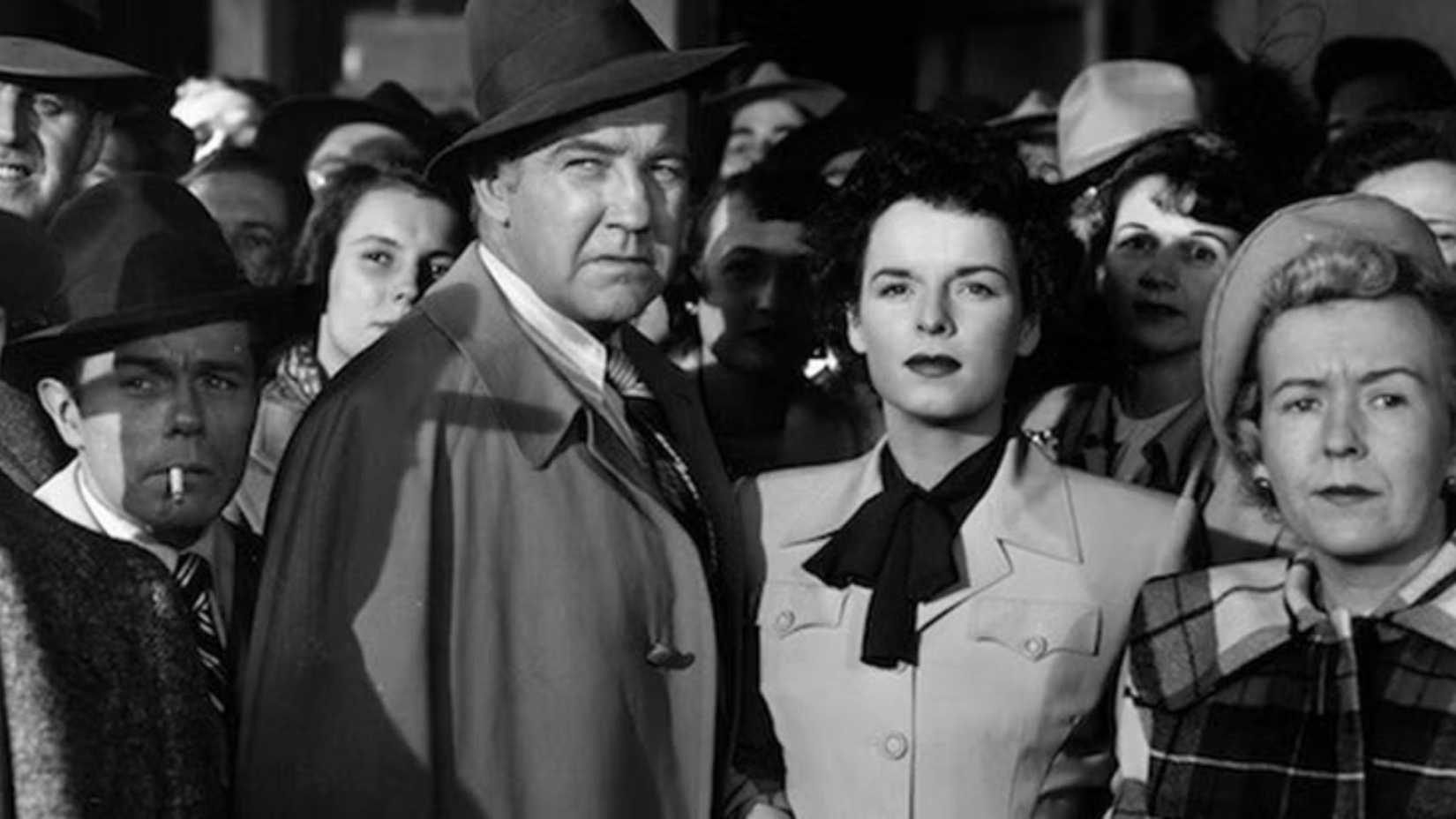
Robert Rossen’s 1949 film, All the King’s Men, offered John Wayne a unique opportunity. For the first time, he wasn’t playing a typical cowboy or war hero; instead, he portrayed Willie Stark, a complex and compelling politician.
Wayne turned down the role, and it ultimately went to Broderick Crawford, leading to a major Oscar win for the film. It received seven nominations and won three awards, including Best Actor – an award Wayne could have won himself. Wayne’s refusal stemmed from his personal political views.
Wayne strongly disliked the movie, calling it unpatriotic and damaging to traditional American values. He particularly objected to the character he was offered – an optimistic politician who ultimately becomes corrupt. While he acknowledged the story’s realism, Wayne didn’t want to be involved.
The Hostiles
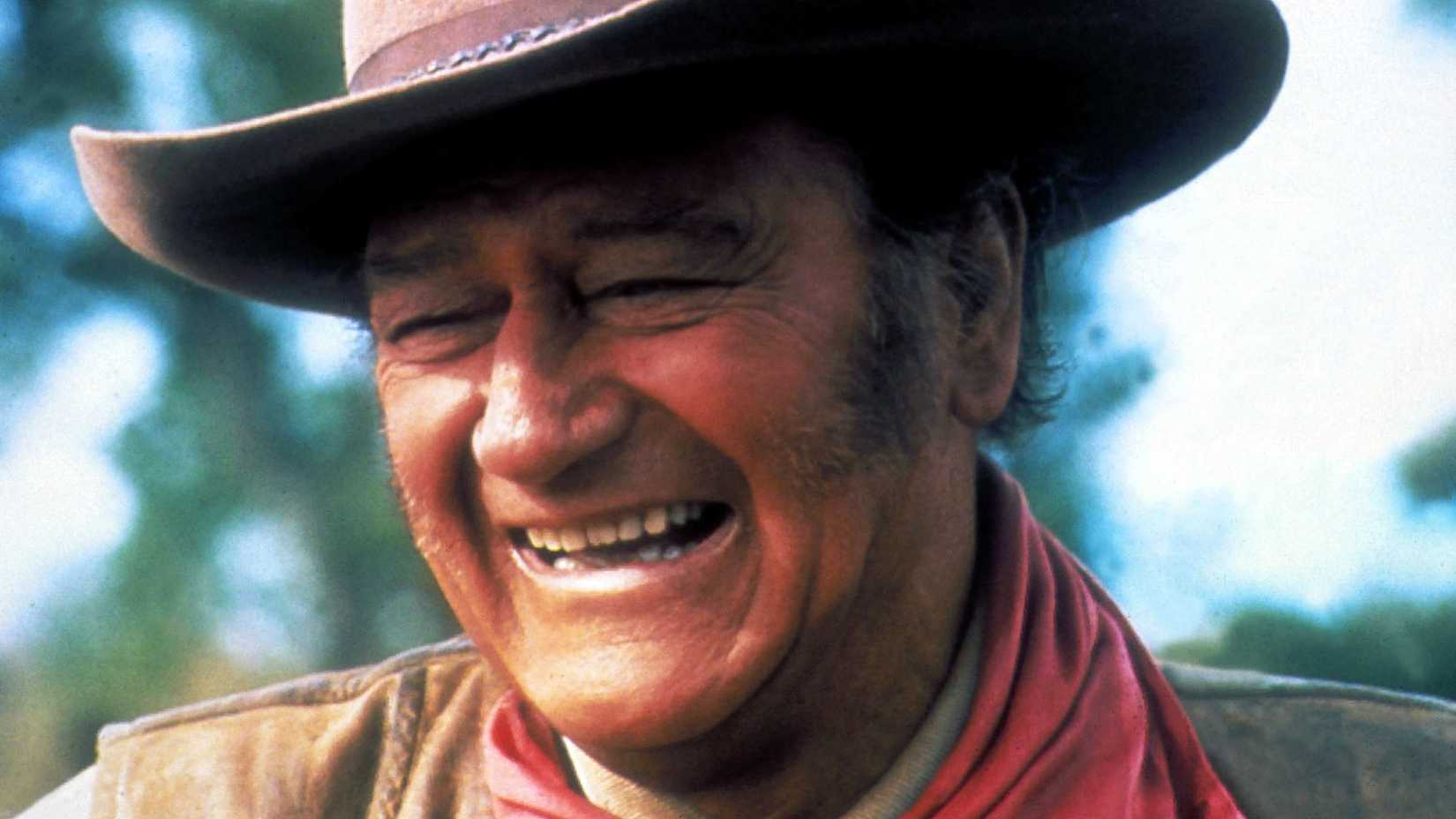 Image by InstarImages.com
The film The Hostiles is one of several roles John Wayne rejected, and it was ultimately never produced. This particular case involved a significant conflict between Wayne and Clint Eastwood, with Wayne being the primary aggressor in the disagreement.
Clint Eastwood changed Western films by refusing to play traditional, purely heroic cowboys. He insisted his characters be complex and morally ambiguous – flawed individuals rather than simple “good guys.” This approach clashed with John Wayne, who believed it went against the core values and spirit of classic Westerns.
When Wayne was offered a role in a movie with Clint Eastwood, he immediately turned it down. The film centered around a gambler who inherited half of an older man’s fortune, and would have starred Eastwood alongside the gambler. Wayne specifically refused to work on the project, stating he wouldn’t appear in a movie with the actor from High Plains Drifter.
Dr. Strangelove (1964)
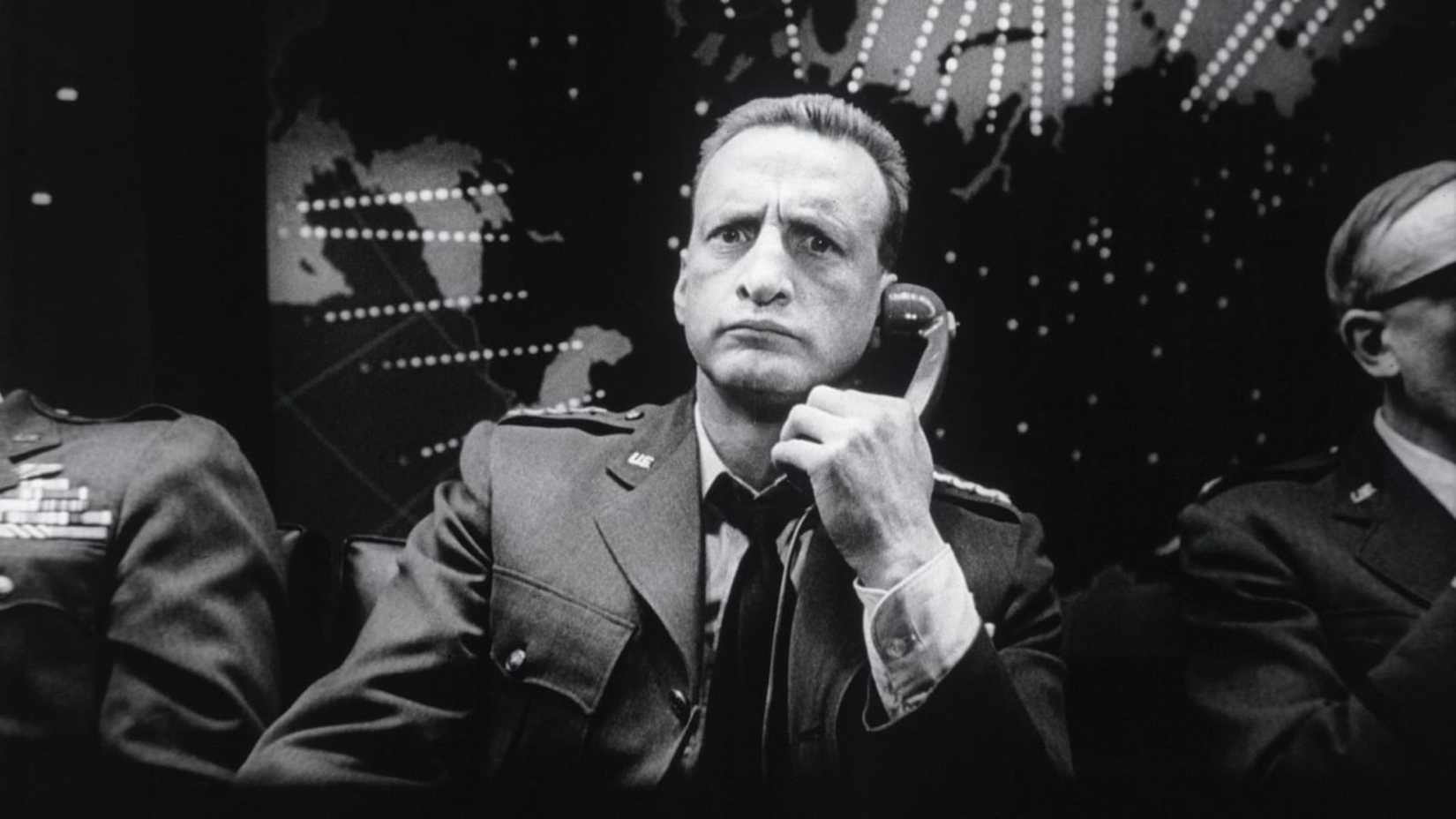
John Wayne was offered a role in a Stanley Kubrick film, and Kubrick specifically wrote the part for him. The movie was Dr. Strangelove, and the character of Major T.J. “King” Kong was intended for Wayne, but he turned it down immediately.
Reports indicate that Stanley Kubrick envisioned John Wayne as the inspiration for a character in King Kong, but Wayne refused to participate. He didn’t offer an explanation, simply stating he wouldn’t take the role. The film famously concludes with Kong atop a nuclear missile, seemingly facing global destruction.
Although he didn’t explain his refusal to participate in the film, it was probably because the role involved detonating a nuclear bomb and starting World War III. John Wayne was known for being cautious about portraying anything that could be seen as disrespectful to the military, so this scenario likely made him uncomfortable.
1941 (1979)
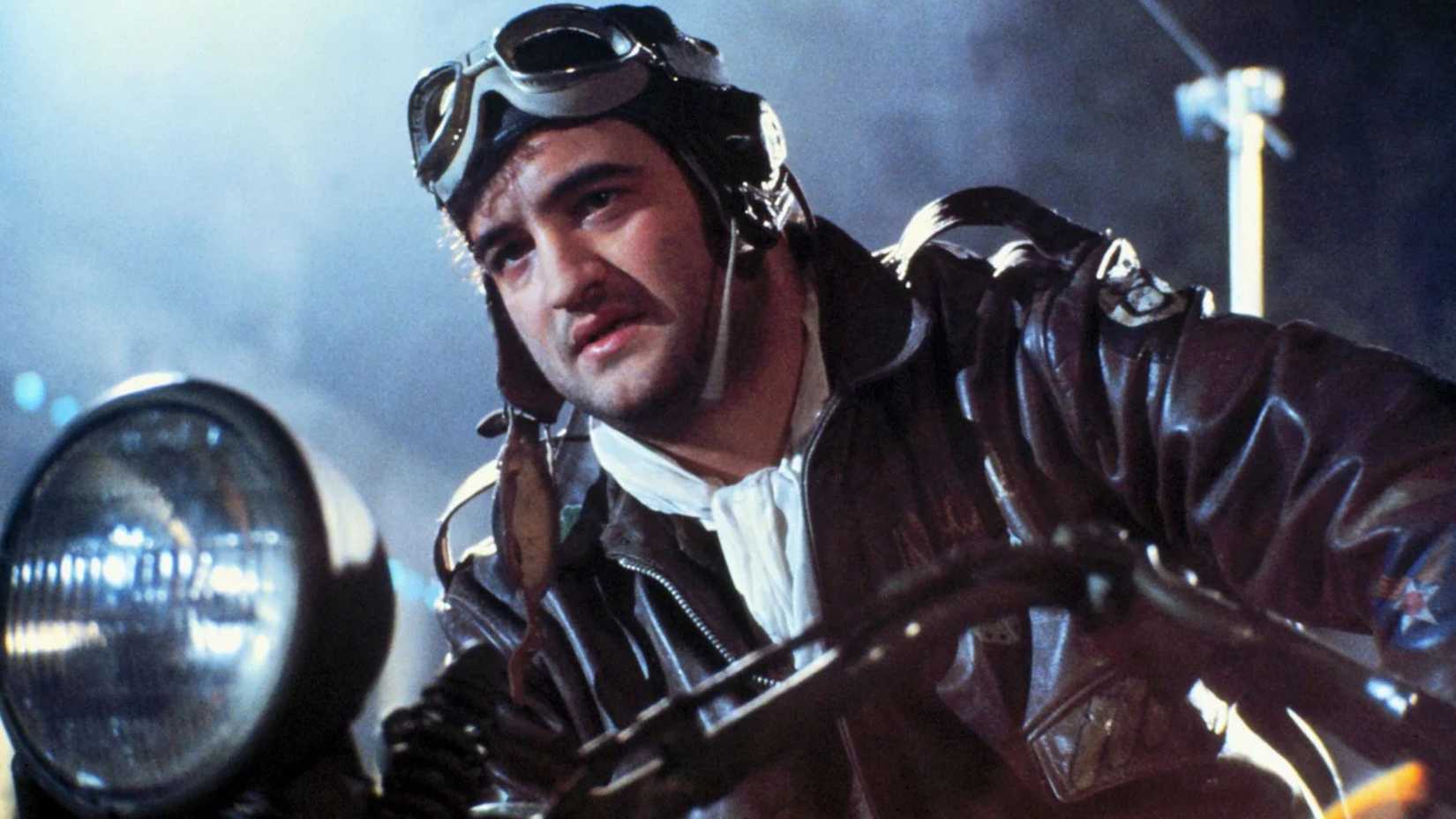
John Wayne also turned down Steven Spielberg’s 1941 because he believed it made fun of the military. He was initially open to working with Spielberg, but after reading the script for 1941, he refused the role and even tried to talk the director out of making the film.
John Wayne strongly disliked the script for the 1941 movie, calling it unpatriotic. He felt the film disrespected American soldiers and made light of the war, particularly the attack on Pearl Harbor. He reportedly said the movie joked about a conflict that had cost thousands of lives and that World War II should not be a subject of humor.
Despite the setbacks, Spiegelberg proceeded with the film. He opted for comedic actors such as John Belushi and John Candy rather than established stars like John Wayne, and the movie ultimately became Spielberg’s first significant commercial failure.
Dirty Harry (1971)
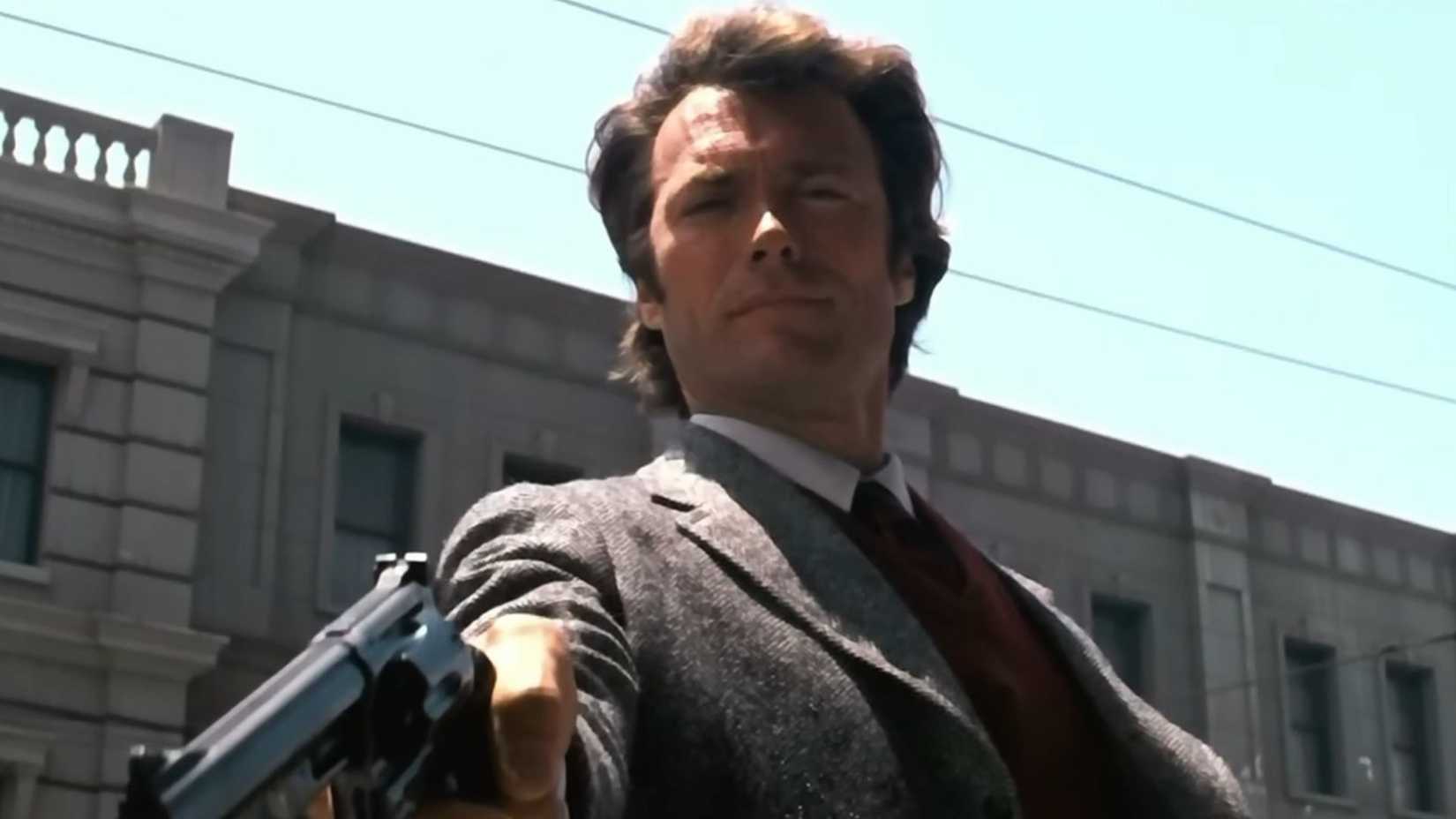
John Wayne not only avoided appearing in a film alongside Clint Eastwood, but he also rejected the part in Dirty Harry that ultimately launched Eastwood to even greater fame. Eastwood went on to make the character a cultural icon.
Finding the right actor for this part was difficult. Frank Sinatra was initially chosen, but he had trouble handling the prop gun, so he left the film. Several other big stars – Steve McQueen, Paul Newman, Robert Mitchum, and Burt Lancaster – also turned down the role before Clint Eastwood finally accepted.
Surprisingly, John Wayne reportedly rejected the part simply because Frank Sinatra had already turned it down. While some sources say Wayne felt he was too old for the role, Clint Eastwood ultimately took on the part and achieved massive success with it.
High Noon (1952)
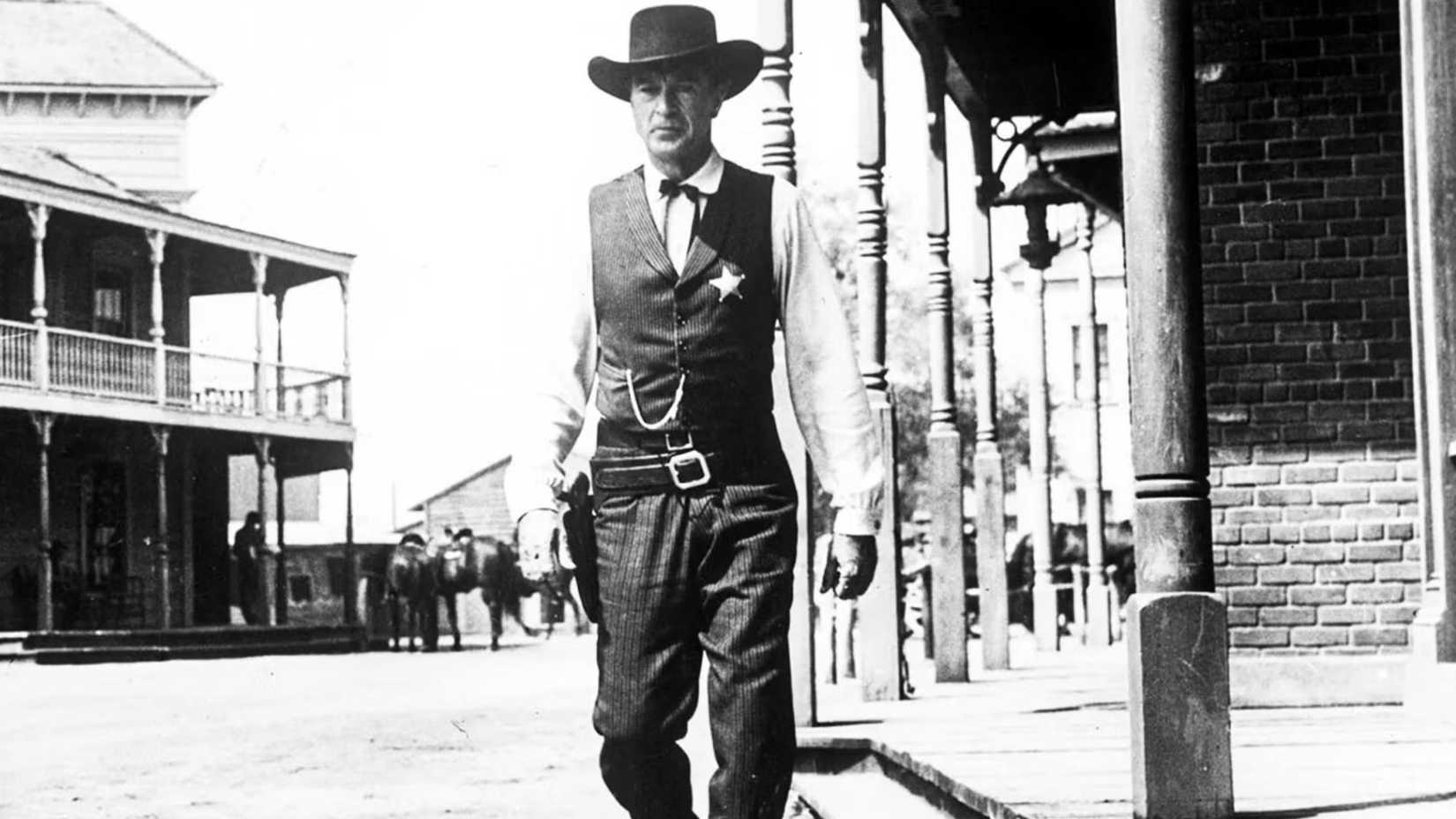
John Wayne is best known for refusing the role in the classic film High Noon. He rejected it for political reasons, specifically his strong opposition to communism and his frustration with the highly publicized and often unfair accusations made by Senator Joseph McCarthy.
Fred Zimmerman, the director, envisioned John Wayne as the lead in the film High Noon. The story centers on Marshal Will Kane, who is about to marry and retire when a former prisoner he sent to jail returns seeking revenge. Abandoned by the townspeople, Kane is left to face the conflict on his own, ultimately leaving town after the showdown.
John Wayne strongly disliked the film, even calling it “Communist” because it was written by Carl Foreman, a screenwriter who had been blacklisted. Gary Cooper ultimately starred in the movie and won an Academy Award for his performance. As a direct response, John Wayne made the film Rio Bravo to portray what he believed was the appropriate reaction from true American heroes.
Read More
- Invincible Season 4 Episode 4 Release Date, Time, Where to Watch
- Physics Proved by AI: A New Era for Automated Reasoning
- How Martin Clunes has been supported by TV power player wife Philippa Braithwaite and their anti-nepo baby daughter after escaping a ‘rotten marriage’
- CookieRun: OvenSmash coupon codes and how to use them (March 2026)
- Total Football free codes and how to redeem them (March 2026)
- Goddess of Victory: NIKKE 2×2 LOVE Mini Game: How to Play, Rewards, and other details
- American Idol vet Caleb Flynn in solitary confinement after being charged for allegedly murdering wife
- Only One Straw Hat Hasn’t Been Introduced In Netflix’s Live-Action One Piece
- Nicole Kidman and Jamie Lee Curtis elevate new crime drama Scarpetta, which is streaming now
- “Wild, brilliant, emotional”: 10 best dynasty drama series to watch on BBC, ITV, Netflix and more
2026-02-15 04:21