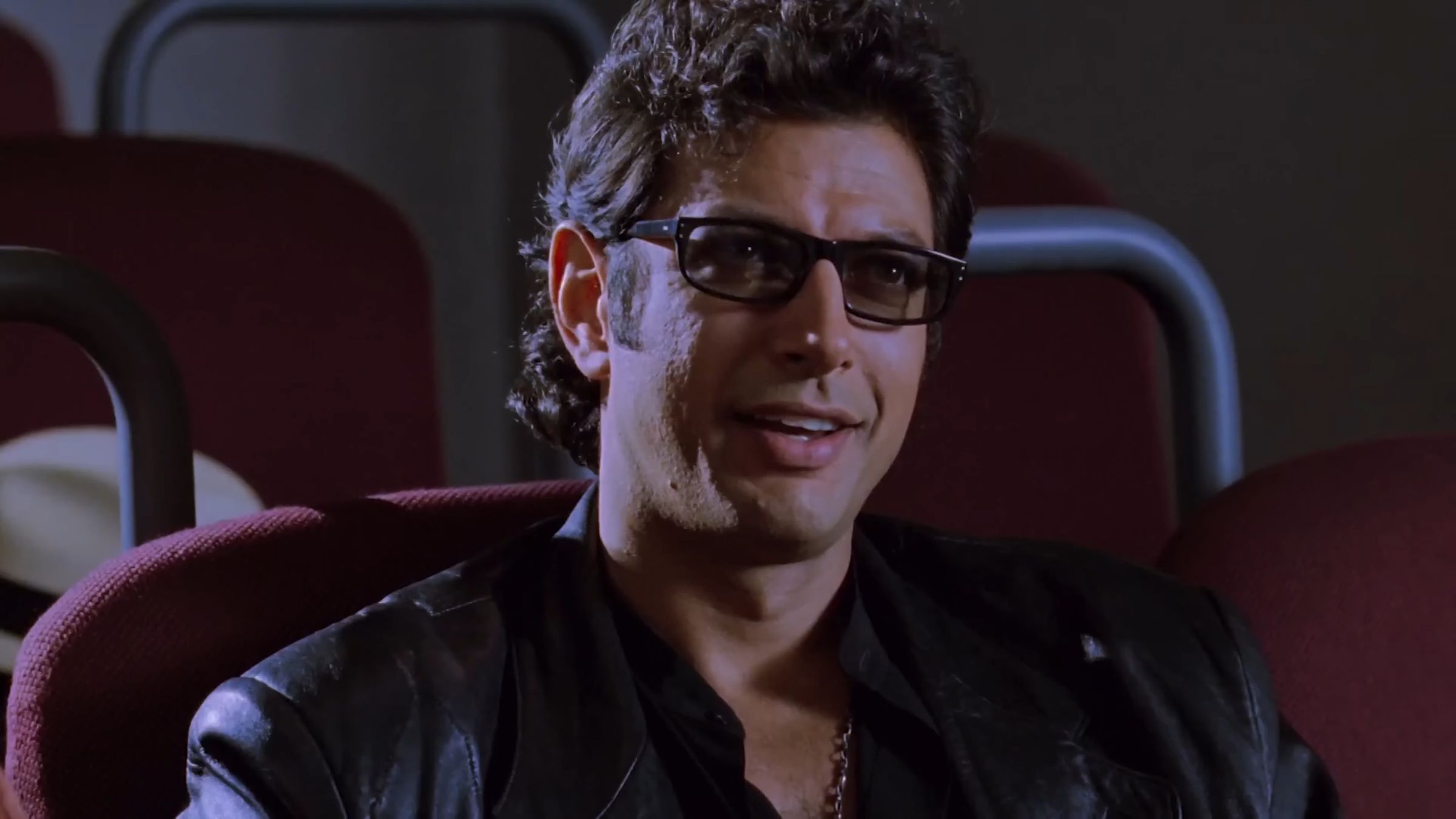
Dialogue in science fiction films is designed to evoke feelings, and often the most impactful moments offer a subtle commentary on society. Sci-fi has always reflected the concerns of its time, presenting a cautionary vision of what the future might hold if current trends continue. It’s a genre that often holds a mirror up to our own world, revealing its darker aspects.
Films by directors such as George Lucas, Steven Spielberg, and Terry Gilliam often explore serious issues and imagine even more troubling futures. Dystopian science fiction, in particular, illustrates what could happen if we ignore problems and allow society to fall apart. The most insightful quotes from these movies often highlight flaws in our current world.
“There’s No Right, There’s No Wrong, There’s Only Popular Opinion.” – Twelve Monkeys
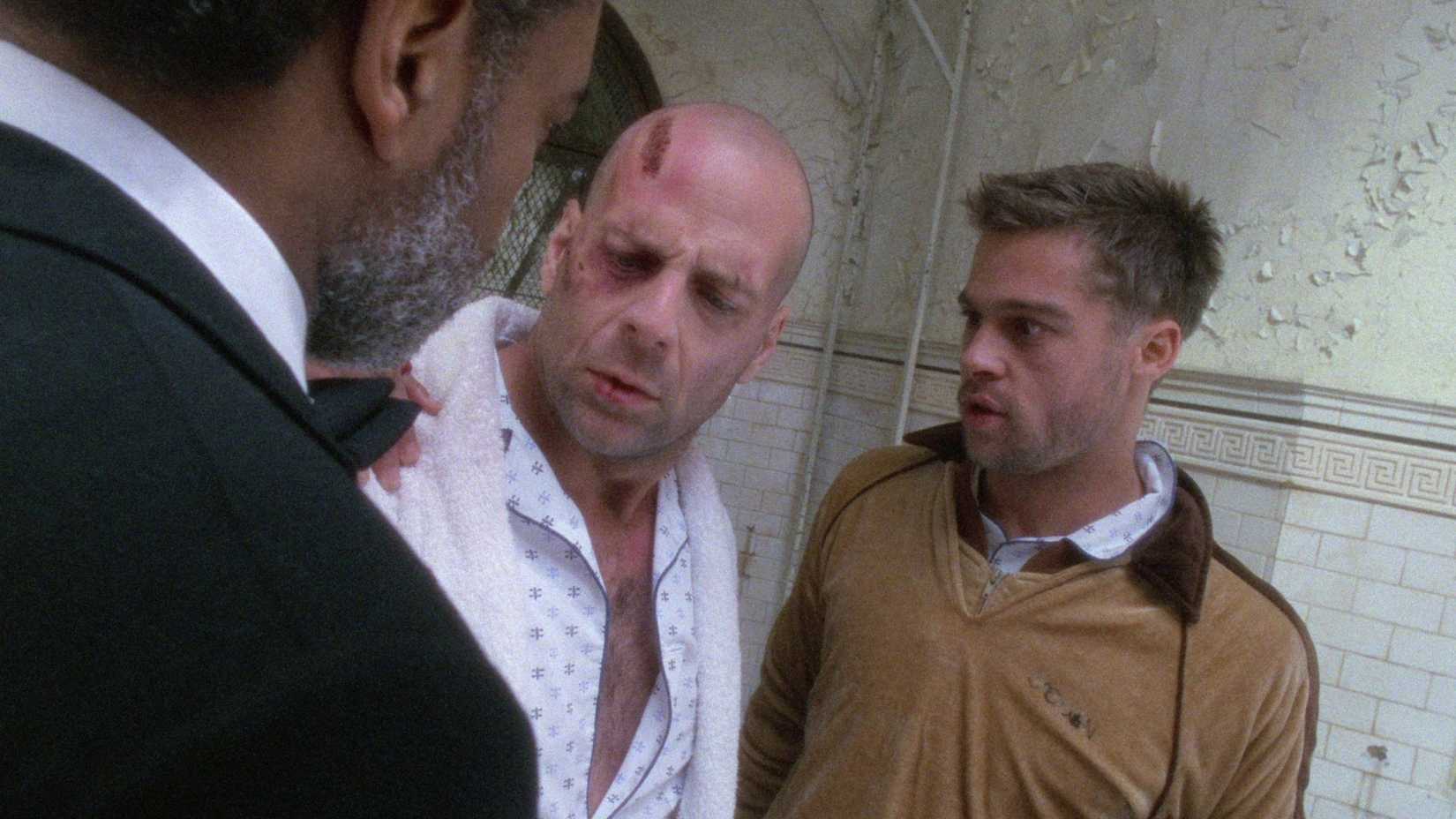
Terry Gilliam’s film Twelve Monkeys is a clever science fiction story about time travel. It follows a man, played by Bruce Willis, who is sent from the future to investigate a devastating global catastrophe. He believes Brad Pitt’s character, Goins, holds the key to understanding what happened.
The movie has several unexpected plot developments, but a particularly memorable moment comes when Goins, while in an institution, delivers a powerful line. Feigning instability, he argues that ultimately, only personal opinion matters, dismissing the concepts of right and wrong.
A powerful line from the movie Twelve Monkeys feels even more relevant today. In a world dominated by social media, it’s become increasingly clear that people often prioritize having a large following over being correct. It’s a chillingly accurate observation, making the film’s sci-fi horror feel very real.
“Memory Is A Strange Thing” – Arrival
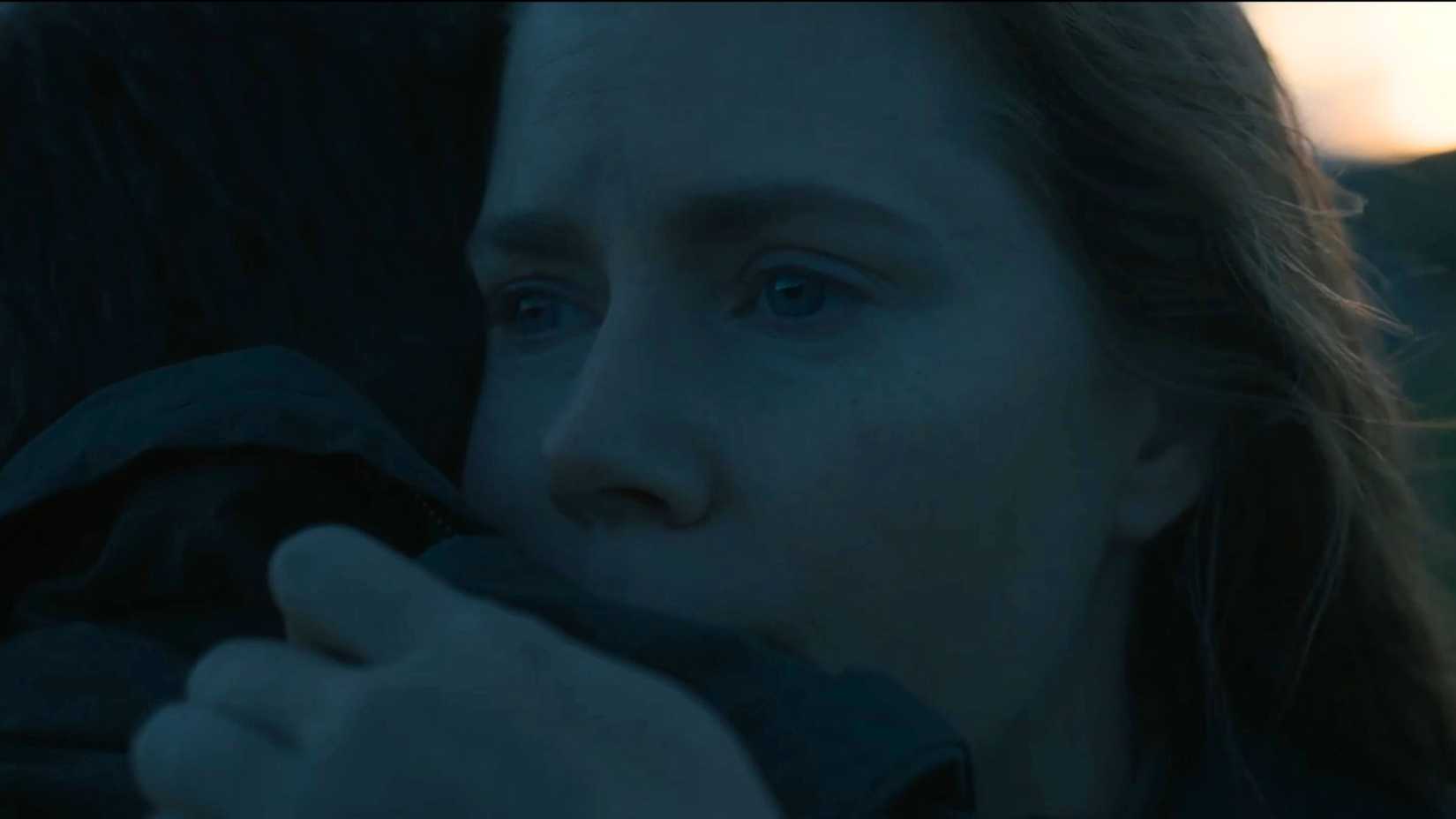
The science fiction film Arrival, directed by Denis Villeneuve, tells the story of alien spacecraft appearing in Earth’s orbit. The government recruits linguist Louise Banks (played by Amy Adams) to interpret the aliens’ messages and determine their intentions – whether they’ve come in peace or with harmful goals.
The film begins with a heartbreaking scene: the death of Louise’s young daughter due to a disease with no cure. From there, the story follows Louise as she tries to understand the intentions of visiting aliens and decipher their message. During this process, she develops a romantic relationship with Ian, a physicist. But the movie concludes with a surprising and unexpected revelation.
Louise has a subtle but insightful line about the unusual nature of memory. This idea is central to the story’s surprising twist, explaining both how the plot unfolds and the choices she makes, even after learning the truth.
“It’s Too Bad She Won’t Live. But, The Again, Who Does?” – Blade Runner
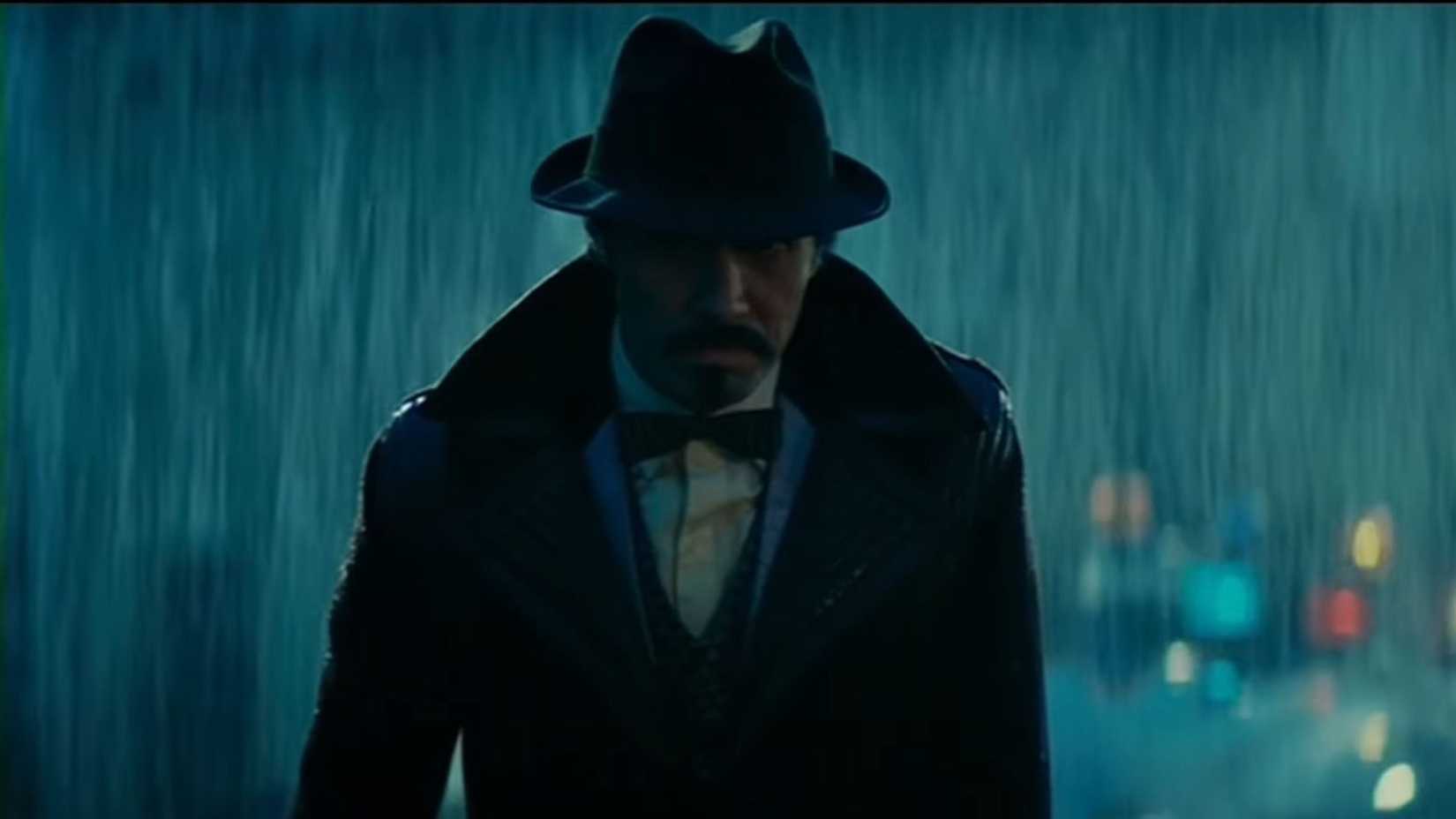
The script for Blade Runner is remarkably well-written, and that’s a major reason why it’s considered one of the greatest science fiction films of all time. While the famous monologue about a lifetime of experiences is often quoted, it’s just one example of the film’s many memorable lines.
One of the most powerful lines in the film is surprisingly delivered by Gaff (Edward James Olmos) after Roy’s death. He tells Deckard that Rachael (Sean Young) won’t survive, then adds a chilling reminder that nobody does.
As a huge film fan, I’ve been thinking about this quote a lot. On the surface, it’s a really powerful observation about how people often don’t truly live. But it also struck me that it hints at something darker – maybe everyone in the movie is a replicant, and those who are ‘retired’ are examples meant to keep the others in line. It’s a fascinating and unsettling idea.
“Monsieur Neary, I Envy You” – Close Encounters Of The Third Kind
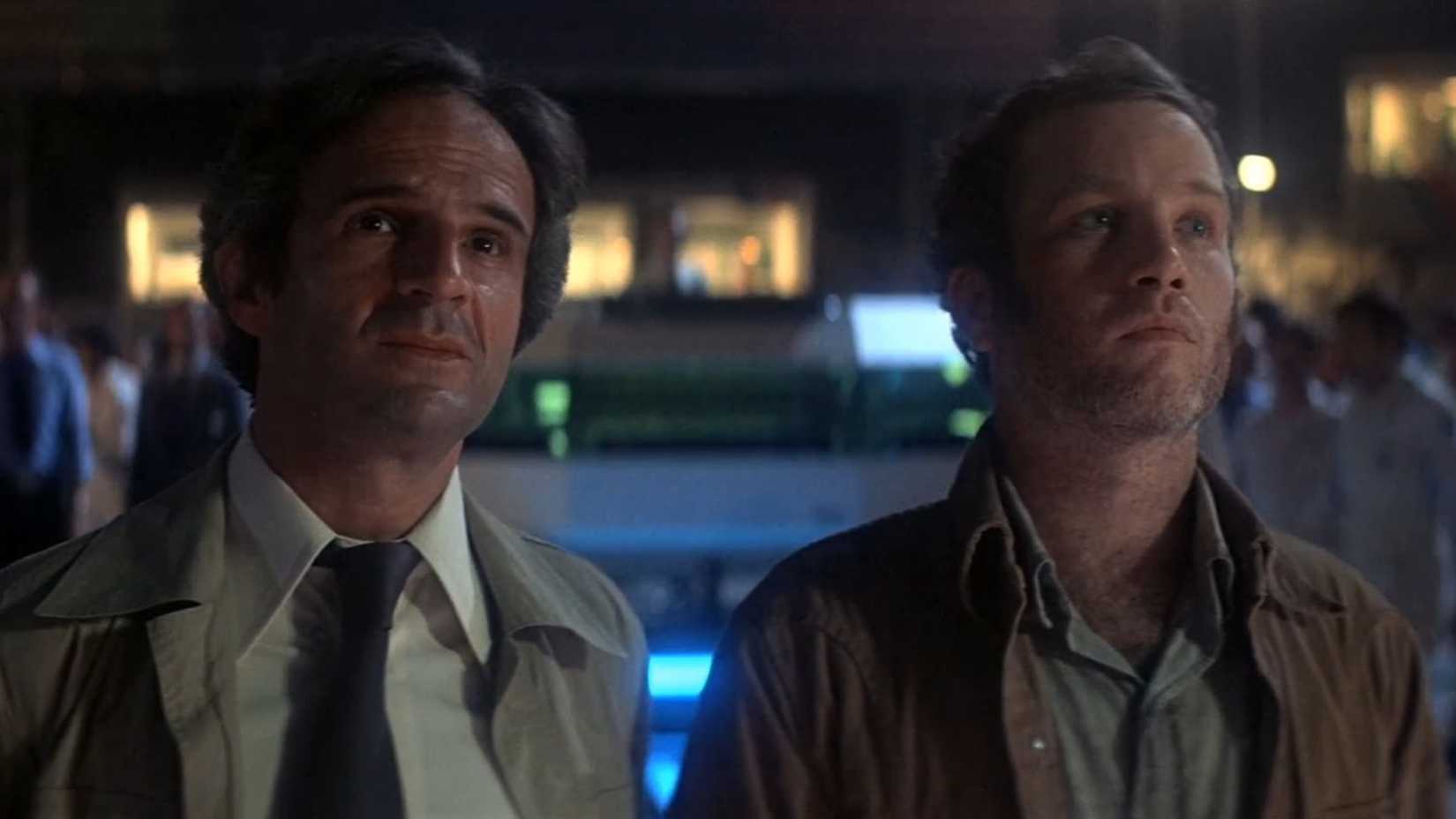
Close Encounters of the Third Kind is a thought-provoking science fiction film about humanity’s desire to connect with alien life. Unlike typical alien invasion stories, it centers on a man who becomes consumed with finding extraterrestrial contact, even to the point of leaving his family behind.
The man’s decision revealed that his desire for knowledge outweighed his family’s needs and his responsibility to them. This idea of prioritizing personal ambition over loved ones is a common thread in many films by Steven Spielberg, and it adds depth to this often-overlooked science fiction movie quote.
In the final scene of the movie, Claude Lacombe tells Roy Neary this line just before Neary is selected to join the ship leaving Earth. It highlights how completely consumed Neary is by his dream, and emphasizes the overwhelming importance of that dream over everything else in his life.
“This Is How Liberty Dies… With Thunderous Applause” – Star Wars: Episode III – Revenge of the Sith
Okay, look, the Star Wars prequels get a lot of flak, and honestly, some of it’s deserved. But even with their flaws, I think one of them has a seriously amazing quote – easily one of the best in the whole saga. It’s this really insightful line about why so many futuristic, broken worlds fall apart, and it’s delivered by Padmé Amidala. It just perfectly explains how things go wrong in those kinds of stories.
The scene unfolds during a Senate session where Emperor Palpatine claims the Jedi attempted to kill him. He uses this as justification to dissolve their alliance and establish the Galactic Empire. The senators enthusiastically support his decision, much to Padmé Amidala’s dismay, prompting her to respond with a powerful statement.
It’s frighteningly easy to see how a captivating leader can gain support even while taking away people’s freedoms. This scenario is a common theme in science fiction, explaining why so many futuristic stories feature oppressive governments and populations who don’t realize how they lost their rights.
“We Have Eliminated The Variable Of Choice” – THX 1138
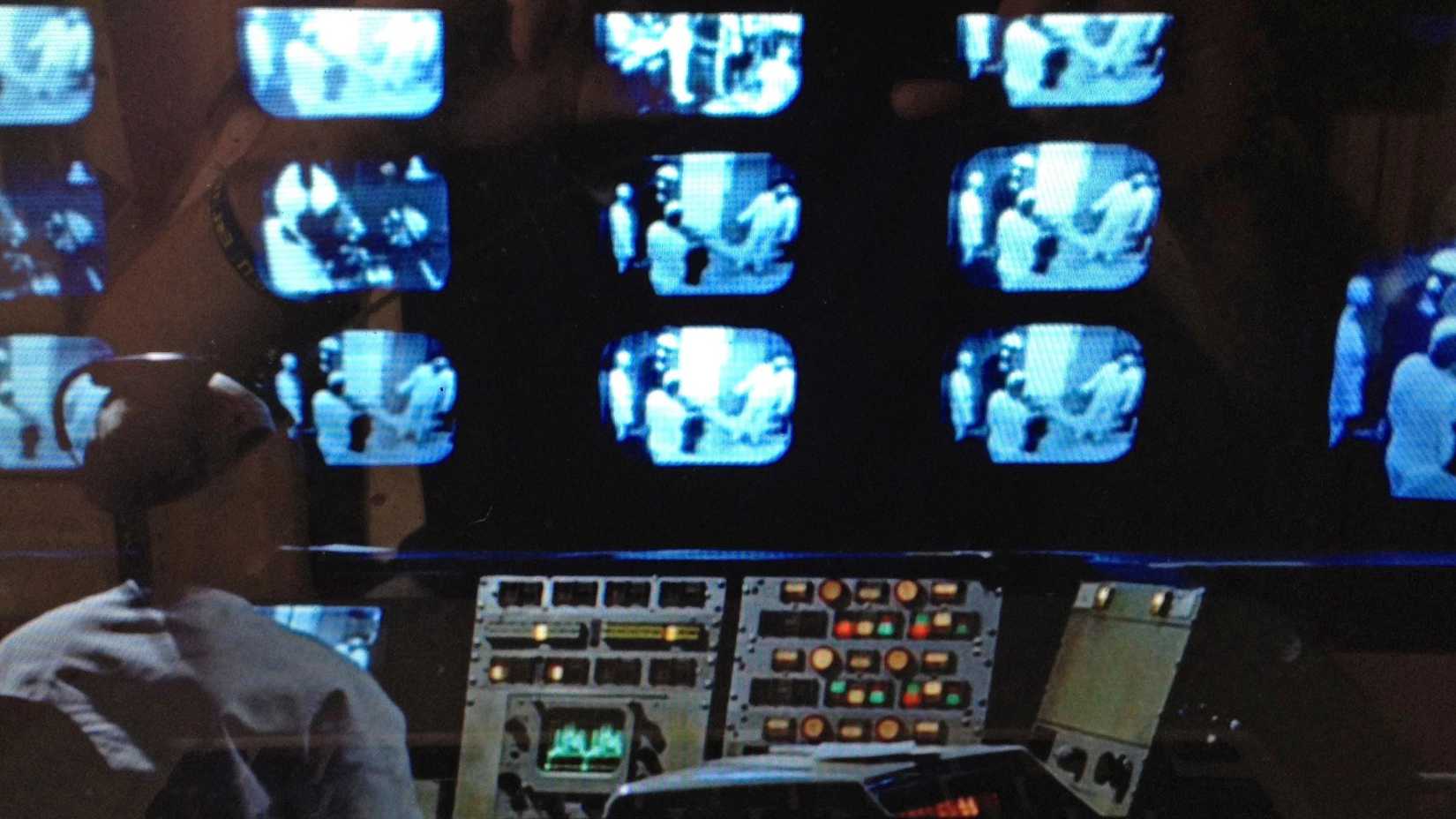
THX 1138 is one of George Lucas’s first science fiction films. It explores similar ideas to Star Wars, but with a much bleaker and more unsettling tone. The movie depicts a future society where everyone is forced to conform, until a single individual rebels and tries to escape.
The phrase “We Have Eliminated The Variable Of Choice” comes from Control, the city’s governing authority. This statement echoes a common theme in dystopian science fiction, where stories often feature controlling, authoritarian regimes.
This touches on fundamental issues of control – deciding who gets healthcare, where people are allowed to live and work, and even what they’re allowed to look like, as depicted in this film. It’s a system that stifles independent thinking, and it shows that Lucas understood the core of this type of story from the very beginning.
“We Used To Look Up At The Sky And Wonder At Our Place In The Stars” – Interstellar
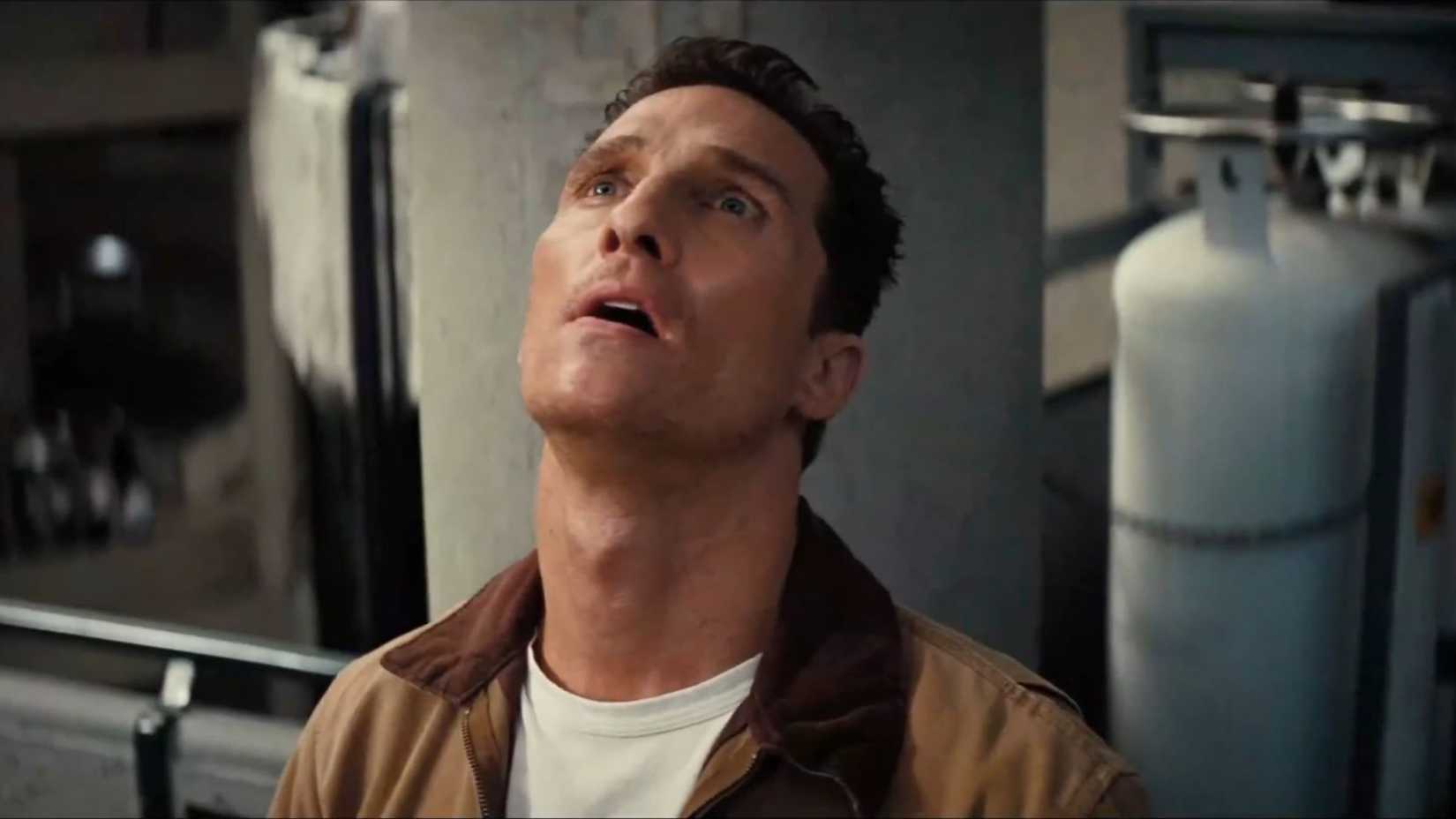
Christopher Nolan’s Interstellar is more than just a space adventure filled with incredible sights and dangers. It’s a film that explores what it means to be human and our uncertain role in the vastness of the universe. The story follows a group of astronauts tasked with finding a new planet for humanity as Earth faces extinction.
There’s a thought-provoking moment in the movie Interstellar, spoken by Matthew McConaughey’s character, Coop, where he reflects on humanity’s lost sense of wonder. He observes that people once looked to the stars with hope and ambition, but now seem focused only on immediate, earthly concerns. It’s a line that resonates beyond the film itself, offering a powerful message about life and our priorities.
The film explores the disheartening idea that people often lose their ambition as they age, giving up on dreams and simply preparing for the end of life. It’s a heavy concept, but the movie connects with it beautifully.
“Long Live The New Flesh.” – Videodrome
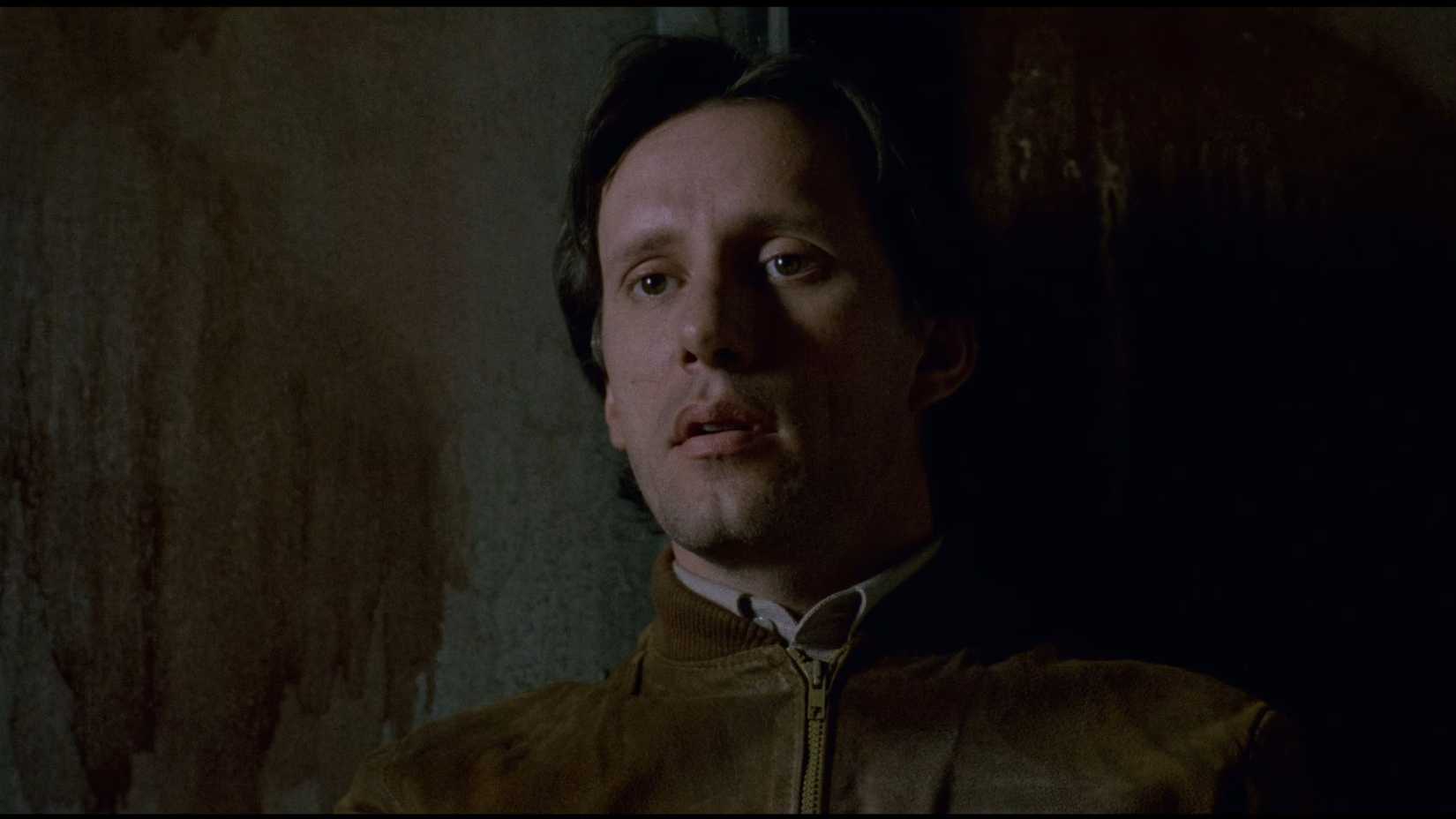
I’ve always been fascinated by David Cronenberg. People often think of him as just the ‘body horror’ guy, and yeah, that’s a big part of his work, but there’s so much more going on. Videodrome is a perfect example – it’s one of his most celebrated films, and it really digs into how powerfully television can mess with your head. It definitely takes that idea to a terrifying extreme, which, let’s be honest, is what makes it so brilliantly horrifying.
I was really hooked by this movie about James Woods, who plays a TV producer for a small UFC channel. He stumbles across a broadcast that seems to be showing actual snuff films, and starts recording it. But things get crazy when he realizes the show isn’t just showing these awful things – it’s actually changing the people who watch it into something dangerous and terrifying.
One of the most impactful lines in the film Videodrome, and surprisingly relevant today, is “Long live the new flash.” It suggests a fundamental shift in human awareness, a move towards something darker and altered. This idea resonates even more now when considering the influence of social media, proving the quote’s enduring power.
“Life Finds A Way.” – Jurassic Park
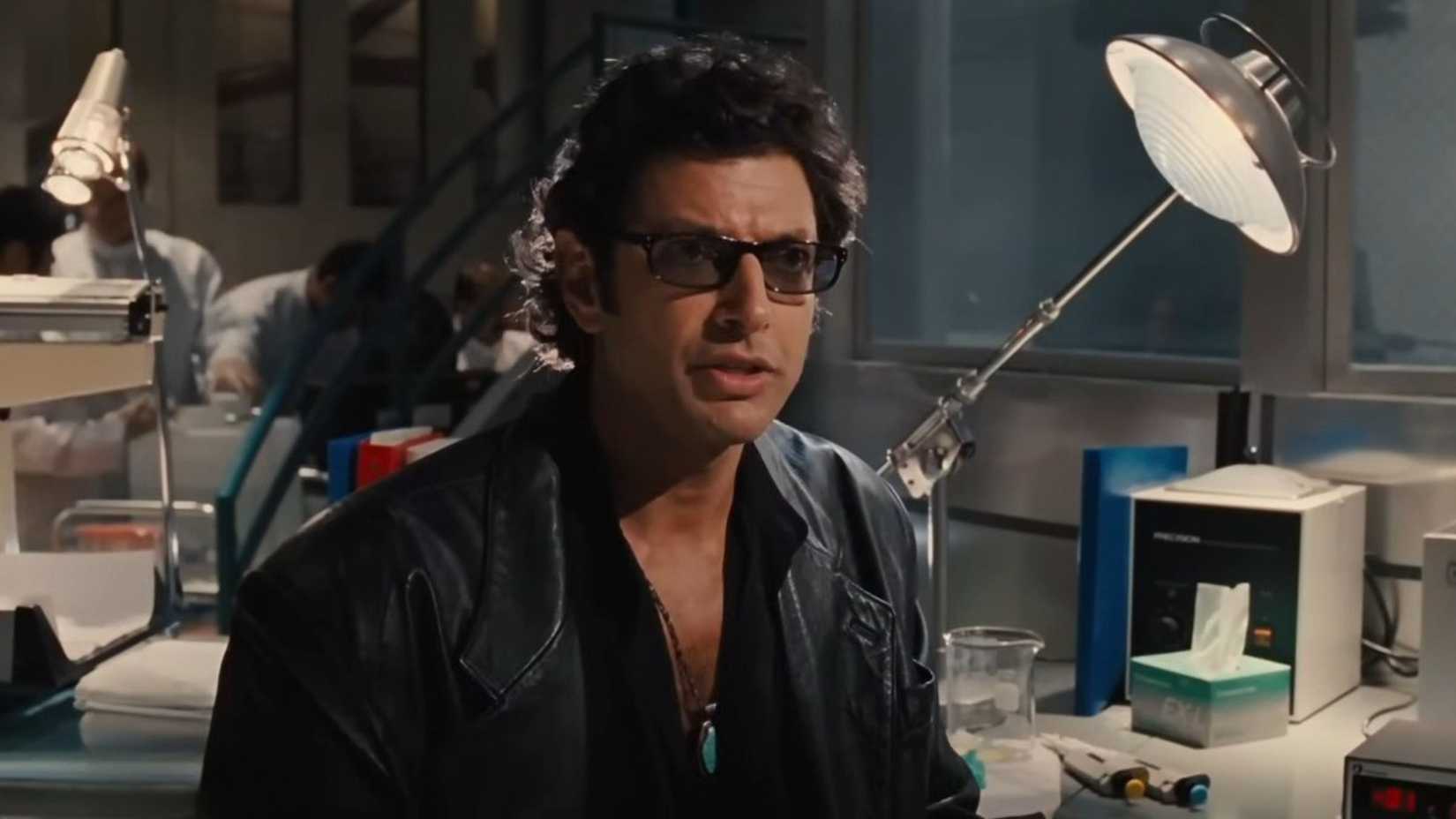
The core idea behind Jurassic Park – that humans shouldn’t try to play God – is a classic science fiction theme, seen in films like Frankenstein. The story suggests that attempting to control nature in this way always leads to disaster, not triumph. The scientists who created the dinosaurs thought they had everything under control, but they quickly discovered they were mistaken.
Interestingly, the very first Jurassic Park movie contained a surprisingly insightful quote that’s arguably the most crucial in the whole series. It came from Ian Malcolm, played by Jeff Goldblum, during a conversation about the scientists’ decision to only create female dinosaurs to prevent them from breeding.
Goldblum’s character famously stated, “Life finds a way,” and that’s exactly what kept happening throughout the series. The dinosaurs bred and thrived, proving that the scientists didn’t have as much control as they thought. Despite the lead scientist’s disbelief, things rapidly got out of hand, just as Malcolm predicted.
“Sand Is Overrated. It’s Just Tiny, Little Rocks” – Eternal Sunshine Of The Spotless Mind
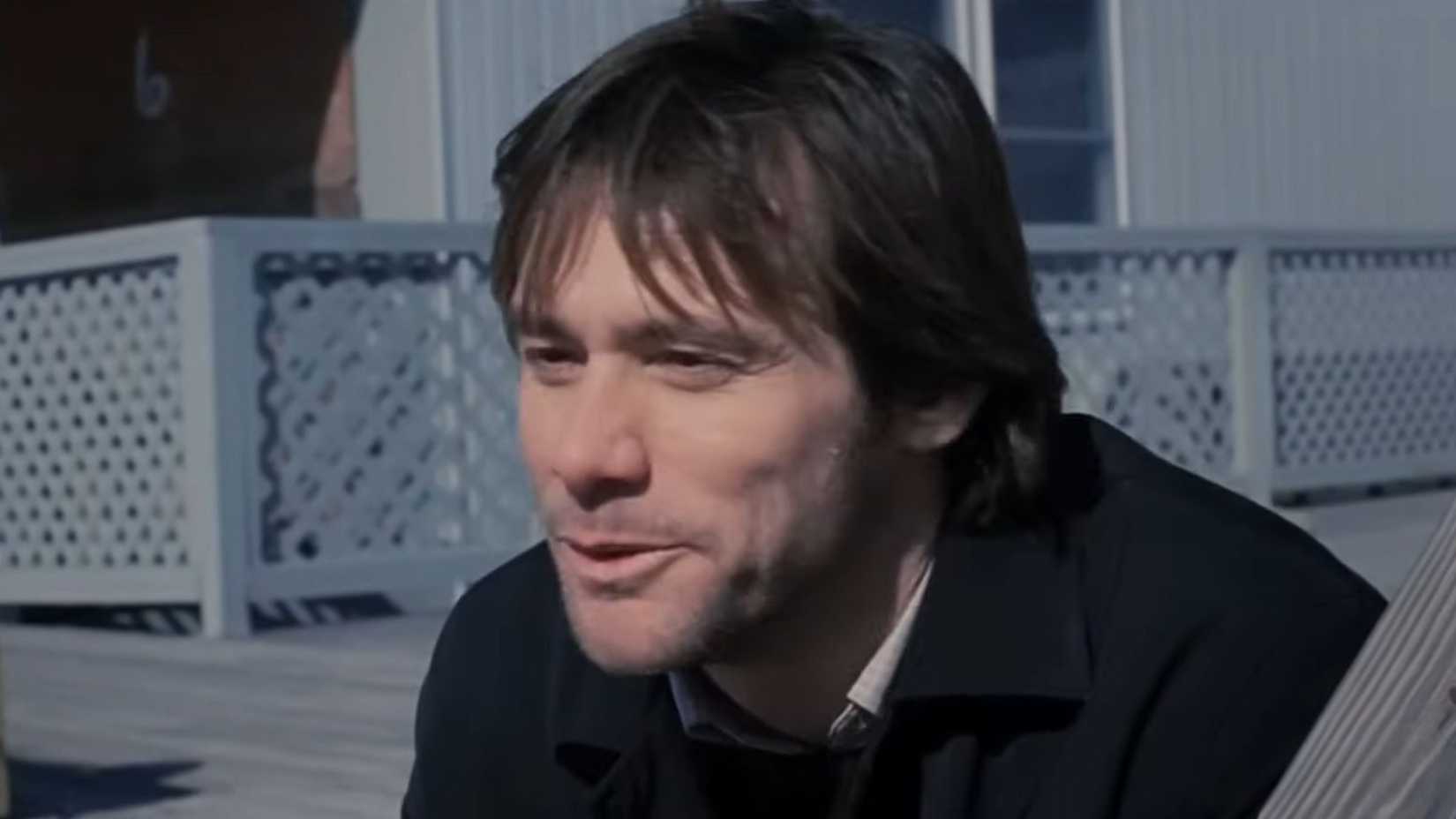
I’m still completely captivated by Michel Gondry’s Eternal Sunshine of the Spotless Mind. It’s such a profoundly moving film! Seeing Jim Carrey and Kate Winslet play Joel and Clementine, a couple so passionately in love and then heartbroken, really stayed with me. What makes it truly special is this incredible sci-fi idea – a way to actually erase memories. It’s a beautiful and thought-provoking story.
In Gondry’s film, Joel is devastated to discover Clementine has erased him from her memory. He decides to do the same to her, and the movie shows his memories fading, leading him to regret his decision. This particular line of dialogue powerfully emphasizes the film’s somber theme.
Joel initially dismisses sand as simply small rocks. But throughout the film, he comes to see that memories are similar – small pieces that build up a life. As he begins to lose those memories, he finally understands just how valuable they are. This realization is a powerfully understated moment in sci-fi cinema.
Read More
- The Division Resurgence Best Weapon Guide: Tier List, Gear Breakdown, and Farming Guide
- Kagurabachi Chapter 118 Release Date, Time & Where to Read Manga
- Last Furry: Survival redeem codes and how to use them (April 2026)
- Clash of Clans Sound of Clash Event for April 2026: Details, How to Progress, Rewards and more
- Gold Rate Forecast
- Guild of Monster Girls redeem codes and how to use them (April 2026)
- ‘Project Hail Mary’s Soundtrack: Every Song & When It Plays
- Top 5 Best New Mobile Games to play in April 2026
- All Mobile Games (Android and iOS) releasing in April 2026
- eFootball 2026 Master League leaks: A detailed look at the new mode, and why it feels disappointing
2026-04-12 00:14