I’ve noticed that the best ‘isekai‘ stories – those about being transported to another world – aren’t just about the journey itself. They really focus on what it means to survive, adjust, and figure out who you are in completely new circumstances. The most captivating ones build worlds that feel real and consistent, where your choices actually have weight and lead to unpredictable, but logical, consequences. It’s like watching someone navigate a reality that’s both structured and constantly changing.
These stories create challenging situations that push characters to their limits, forcing them to reconsider what it means to be strong, good, and driven. The best ones aren’t just visually impressive; they focus on believable character growth, meaningful consequences, and emotional journeys. Every plot twist feels justified and logical because the story follows a consistent and well-defined set of rules, making it immersive and easy to understand.
Overlord Presents a World Where Morality Breaks Down Under Overwhelming Power
Unlike many similar stories, Overlord doesn’t shy away from showing its main character, Ainz Ooal Gown, as flawed. He’s not a traditional hero – he orders large-scale killings, controls kingdoms through deception, and sometimes lets innocent people suffer. This creates a feeling of unease for the reader, who is constantly left wondering about his motives and whether his choices are justified.
The story feels more believable because we connect with characters who are actually vulnerable to Ainz Ooal Gown, making him seem truly frightening instead of just powerful. This tension is a constant throughout Overlord, and the biggest emotional pull of the series comes from wondering if any of Ainz’s humanity remains.
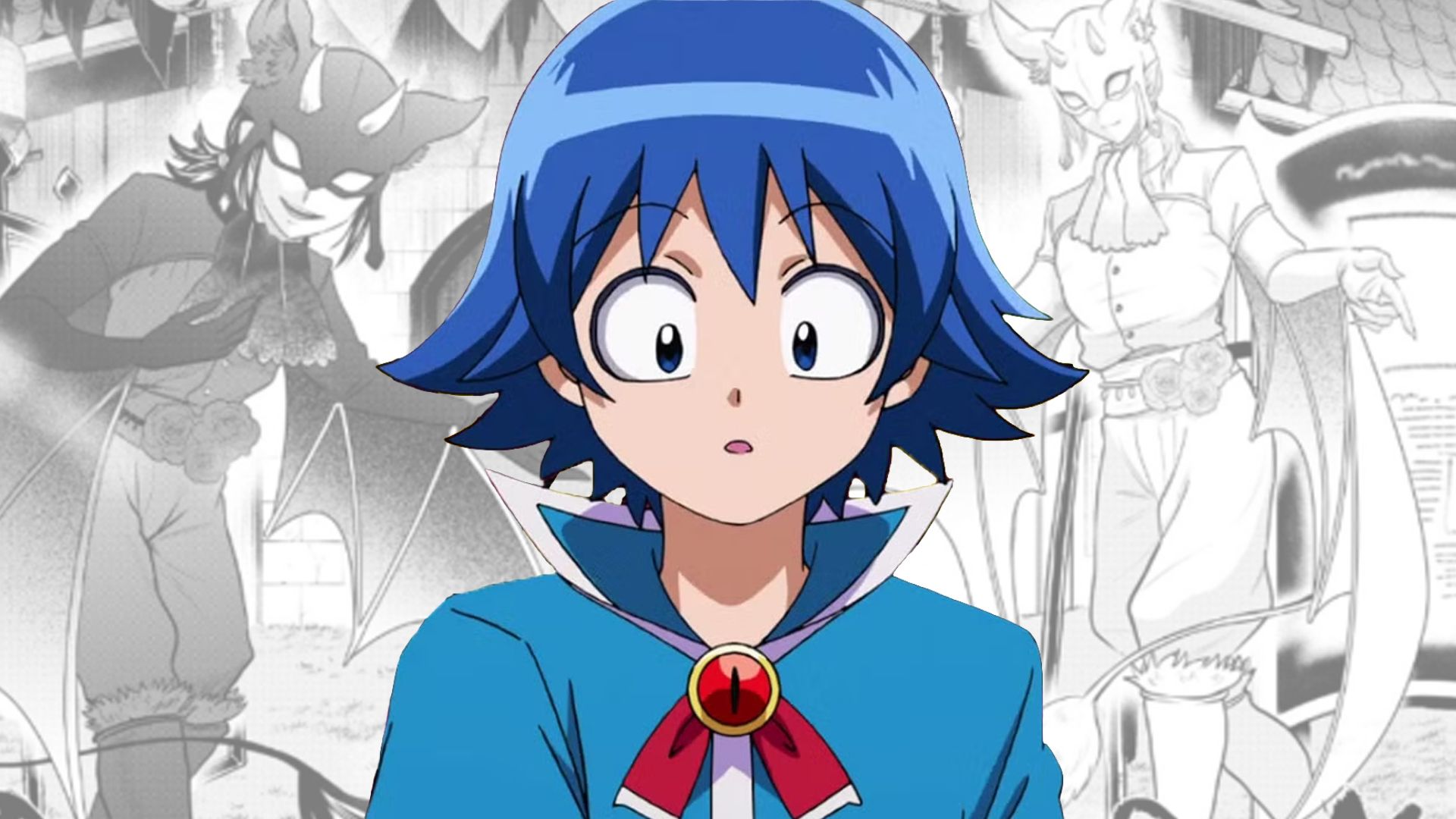
Welcome to Demon School! Iruma-kun Builds Its World Around Survival and Hierarchy
In Welcome to Demon School! Iruma-kun, the main character doesn’t gain typical superpowers. Instead, his abilities are based on how he learned to survive difficult circumstances. Iruma’s quick reflexes, developed because he was neglected, act as a way to protect himself, not as a source of immense power. This means he has to carefully time his actions and be aware of his surroundings during fights, focusing on smart strategies instead of brute strength.
In the Netherworld, power is measured on a scale from Aleph to Yodh, based on how much ambition and desire someone has. Babyls functions like a strict hierarchy – your rank determines what you can access and how much influence you have. School events aren’t just for fun; they directly affect your ranking, essentially becoming tests of how driven you are. This means that in this world, moving up the ranks depends on proving your intentions, not just on being strong.
Record of Highserk War Examines War as Psychological Erosion
The Record of Highserk War begins as a war story, but soon becomes a realistic look at the personal impact of conflict. The protagonist, Walm, experiences the horrors of battle – killing and witnessing death – which deeply affects his mental state. He becomes more ruthless, struggles with insomnia, and loses sight of his former beliefs, demonstrating that ongoing violence erodes a person’s character rather than building resilience.
I was really struck by how Yanomi Saitou approaches the battle scenes in Record of Highserk War. It felt less like the usual flashy action you see in isekai and more like reading a mature war manga. What stood out was the realistic portrayal of violence – it wasn’t glorified or censored, and injuries actually looked like they had lasting effects. The combat felt gritty and chaotic, mirroring how medieval battles likely were – full of confusion, exhaustion, and a sense that things were often out of control. It really drove home the idea that surviving these conflicts takes a serious toll, both physically and mentally.
Ascendance of a Bookworm’s Knowledge Becomes a Burden in a Restrictive World
Ascendance of a Bookworm explores the challenges that arise when modern ideas meet a traditional, unchanging society. Myne’s knowledge, instead of helping her, often creates problems. Merchants feel threatened by it, the church becomes wary, and nobles try to use her for their own gain. This leads to a world where any attempt at innovation is met with opposition from all parts of society.
Myne’s ongoing illness creates a constant pressure on time, influencing every choice she makes. Her accomplishments – like making paper, building relationships with the church, and finding financial support – aren’t about achieving success, but about simply surviving. This makes everything feel more urgent and gives each result a much stronger emotional impact.
The Saga of Tanya the Evil Treats War as a Structured, Efficient System
The manga Saga of Tanya the Evil doesn’t just use World War I as a setting; it builds a complete and believable alternate world around it. The story meticulously details how the military functions, showing clear chains of command, logistical challenges, and political influences behind every decision and campaign. Even the smaller details, like officers planning strategies or soldiers fighting on the front lines, are portrayed with a lot of care and realism.
The military system also benefits from Tanya’s existence. Officers like Lergen understand her nature and try to control her, yet they still depend on the very war machine she uses to her advantage. The Saga of Tanya the Evil portrays Tanya as an integral part of a harsh system, embodying the ultimate expression of the imperial military during wartime.
Drifters Shows How Historical War Logics Clash Within a Single Fantasy World
What sets the manga Drifters apart from many other isekai stories is its use of historical figures instead of typical teenage characters. Warriors like Shimazu Toyohisa, Oda Nobunaga, and Nasu no Yoichi don’t behave wildly in this new world because they’re already experienced in war and complex politics. They see the new world as just another battlefield, not a completely new beginning.
I’ve noticed that Drifters doesn’t really feel like a typical escape into fantasy. Instead, it uses its world to explore what would happen if different military tactics and fighting styles from history clashed all at once. The creator, Kouta Hirano, infuses the artwork with a really intense, gothic horror vibe. It makes the action feel raw and violent, and the humor is dark, but in a way that feels unsettlingly realistic – it’s not over-the-top, it feels genuinely impactful.
That Time I Got Reincarnated as a Slime Frames Nation Building Through Politics and Military
Unlike many stories focused on becoming overwhelmingly powerful, That Time I Got Reincarnated as a Slime centers on a delicate political landscape. The nation of Jura Tempest relies on shifting alliances based on shared benefits like trade and protection. Neighboring human kingdoms see Rimuru’s growing nation as a potential military threat due to its expanding power and influence, meaning every discussion and agreement has long-term consequences for the story.
The storyline becomes increasingly complex. Rimuru’s actions, particularly a series of mass killings, lead to international repercussions, including diplomatic protests and military conflicts, ultimately reshaping the political landscape. The narrative’s mood dramatically changes from playful adventures to serious political drama as Rimuru focuses on protecting his close friends, even if it means making difficult choices that conflict with the needs of the larger population and established powers.
Jobless Reincarnation Grounds Growth in Experiences Across Time and Relationships
Many stories about being reborn into another world give the main character a fresh start, but Rudeus is different – he carries his past mistakes with him. The story consistently makes him deal with these failures, and his development comes from his relationships and life experiences, not magical abilities or outside help. Roxy shows him that natural talent isn’t enough without hard work, and Paul pushes him to take responsibility for his family, forcing him to overcome his negative impulses.
This story unfolds across generations, rather than building towards a single climax. While there isn’t one specific goal driving the plot, the world remembers past events, and those consequences gradually change the lives of many characters. Rudeus’s journey isn’t just about his own growth; the people around him evolve on their own, and their changes unexpectedly influence where his life goes.
The Eminence in Shadow Structures Its Setting Around Layers of False Belief and Real Impact
The entire story of The Eminence in Shadow revolves around Cid Kagenou’s unwavering belief in his own made-up world. He creates a secret organization based on a conspiracy he imagined, but surprisingly, real groups with similar goals already exist. Cid’s dedication to his roleplaying accidentally causes genuine political and military problems, and the humor comes from the increasing difference between what he thinks is happening and the actual, often chaotic, results.
Shadow Garden carries out secret missions like spying, sneaking into places, and eliminating targets, all disguised as the work of someone else – Cid. Other groups react to these actions, like assassinations and changes in power, but they don’t know who’s really behind them. Despite the deception, the world operates logically because every event still has clear and understandable effects on everyone involved.
Re:Zero Frames Its Narrative Around Sin and Suffering
Many stories about being transported to another world use repeating deaths as a way for the hero to improve. However, Re:Zero does something different: Subaru Natsuki can’t tell anyone what happens when he dies and loops back. This means each failure builds up as emotional and mental stress for him alone. Instead of getting stronger with each try, he faces increasing pressure and trauma.
Furthermore, the characters embody specific sins and experience internal and external conflicts. Petelgeuse represents Sloth by acting impulsively and abandoning reason, while Subaru’s Pride – his strong desire to handle everything himself and unwillingness to ask for help – defines his actions. These personality flaws directly contribute to the worsening of situations and the harm that befalls those around him.
Read More
- Clash of Clans “Clash vs Skeleton” Event for May 2026: Details, How to Progress, Rewards and more
- Clash of Clans May 2026: List of Weekly Events, Challenges, and Rewards
- Farming Simulator 26 arrives May 19, 2026 with immersive farming and new challenges on mobile and Switch
- Gear Defenders redeem codes and how to use them (April 2026)
- The Division Resurgence Best Weapon Guide: Tier List, Gear Breakdown, and Farming Guide
- Honor of Kings x Attack on Titan Collab Skins: All Skins, Price, and Availability
- Gold Rate Forecast
- Total Football free codes and how to redeem them (March 2026)
- Last Furry: Survival redeem codes and how to use them (April 2026)
- Mapping the Public Mind: Social Media as a Real-Time Sensor
2026-05-09 00:55