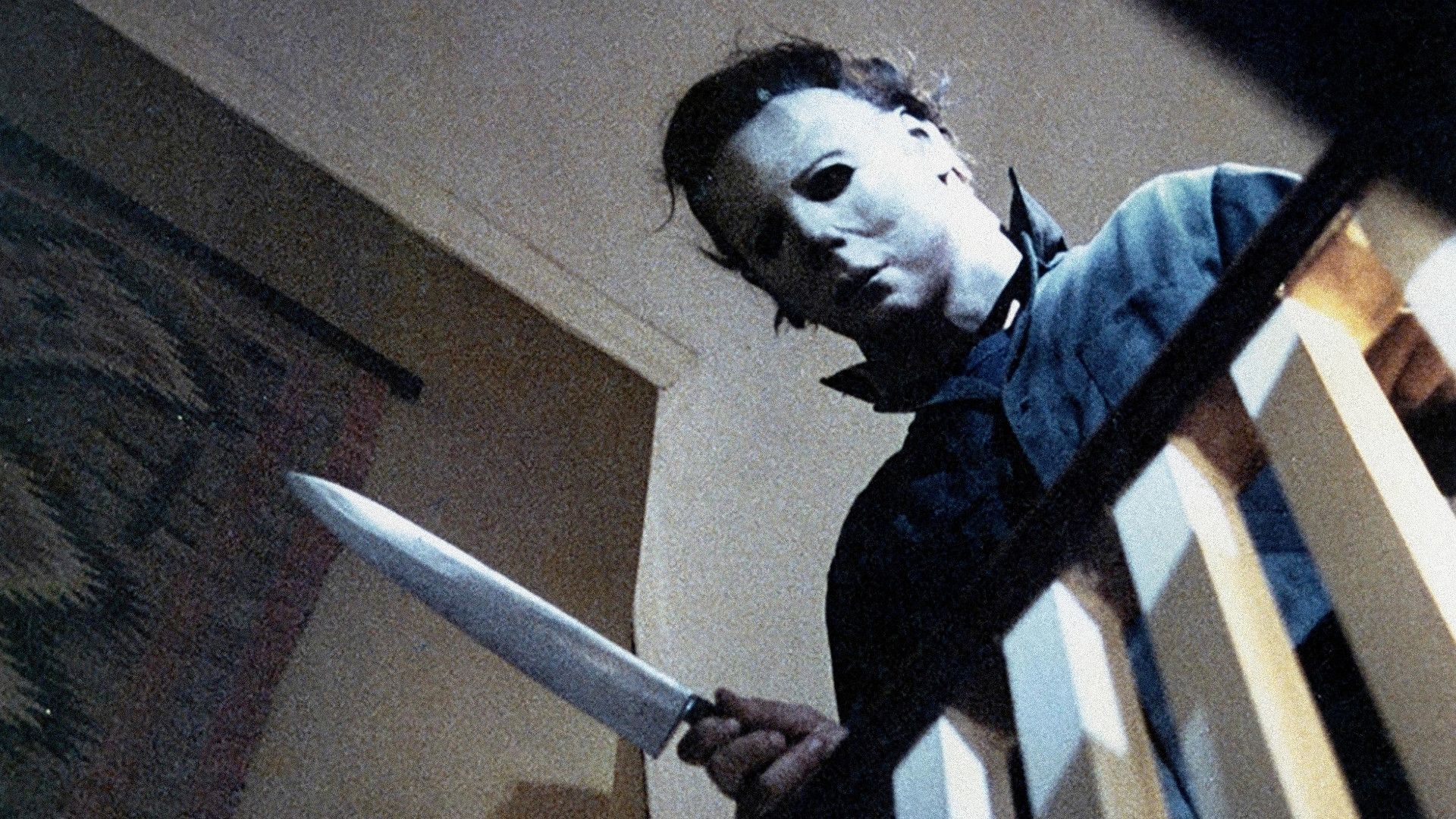
John Carpenter’s Halloween completely changed the horror genre, specifically slasher films, and became a model that Hollywood quickly tried to copy. The film, a low-budget hit from 1978, showed that a basic story, a killer in a mask, and a holiday setting could become incredibly popular. Immediately after its release, many other horror movies tried to repeat Halloween‘s success by using the same formula.
Film studios soon discovered that holidays provided instant imagery, easy marketing angles, and a reason to create intense, frightening stories. This led to a wave of mystery-horror films, stories about silent stalkers, and characters like Michael Myers, who embodied classic monster tropes. Though not every film was a hit, they all demonstrate how much Halloween influenced the way horror stories are told.
Valentine (2001)

Released in the early 2000s, the slasher film Valentine came out during a time when filmmakers were revisiting classic horror movies like Halloween. The film, set on Valentine’s Day, uses the holiday’s themes of love and romance to create a stark contrast with its violent content, similar to how Halloween transformed the idea of peaceful suburban life into something terrifying.
The killer in Valentine, disguised as Cupid, is intentionally created to be a memorable horror icon, much like Michael Myers. The film focuses on building mystery and having the audience try to figure out who the killer is, similar to the suspenseful style of Halloween. However, Valentine also updates the classic formula with high-quality visuals and popular young actors to attract a wider audience.
Although Valentine wasn’t a huge success like Halloween, it shows how other studios tried to capture that film’s combination of spooky mood and broad appeal. Valentine wasn’t as original, but it definitely used the same basic idea of a masked killer.
New Year’s Evil (1980)

Released only two years after the original Halloween, New Year’s Evil clearly aimed to capitalize on that film’s popularity. The story revolves around a murderer who warns people about his killings beforehand, scheduling them to coincide with New Year’s celebrations in different parts of the United States.
The film’s structure, with its sense of urgency, is similar to Halloween, making the holiday itself feel like a terrifying countdown. Just like Michael Myers, the killer’s reasons aren’t important—the focus is on creating pure fear. New Year’s Evil also uses TV broadcasts to tell the story, updating the original Halloween‘s setting for a time when media is everywhere.
Though it’s often seen as a bit over-the-top, New Year’s Evil clearly tries to capture the same feeling of seasonal dread that John Carpenter created with Halloween. The film attempts to link the excitement of New Year’s Eve with a sense of threat, rather than just celebration. While it didn’t become a widely beloved classic, it’s an important early example of how much Halloween influenced other horror movies.
Silent Night, Deadly Night (1984)

Similar to the classic slasher film Halloween, Silent Night, Deadly Night (released in 1984) uses the same basic formula but sets it during Christmas. Instead of a masked killer, this film features a disturbed Santa Claus, intentionally shocking audiences and sparking controversy. While also exploring a traumatic childhood as the root of the violence, it delves more directly into the psychological reasons behind the killer’s actions than Halloween does.
The film’s tense, creeping build-up of suspense and its ordinary neighborhood locations clearly echo the style of John Carpenter. But it goes beyond simple inspiration by heavily using Christmas themes, turning the holiday into more than just a setting – it becomes a deliberately unsettling visual tool.
The controversy surrounding Silent Night, Deadly Night actually helped make it famous, similar to how Halloween gained popularity through people talking about it. Despite mixed reviews, Silent Night, Deadly Night uniquely established itself within the Christmas season, becoming well-known for Christmas horror just as Halloween became synonymous with October 31st.
The Strangers (2008)

While not a typical holiday horror film, The Strangers clearly draws inspiration from the fear-based approach of Halloween. Like Michael Myers, the threat in The Strangers relies on senseless violence. The intruders’ unsettling justification – simply that the family was home – mirrors Halloween’s dedication to pure, motiveless evil, where terror happens for no reason at all.
Similar to Carpenter’s film, The Strangers creates suspense through its atmosphere and what isn’t shown. It uses extended periods of silence to make the tension almost unbearable. The film famously recreates a typical Halloween moment – a killer’s mask gradually appearing in the dark – which makes the audience wonder how long the killer has been watching.
Though released much later, The Strangers feels like a fresh take on the simple, suspenseful style of Halloween. It proves that this classic approach can still be effective, even without the typical slasher elements. Rather than imitating Halloween’s holiday theme, The Strangers modernizes the central concept: that even familiar places can be frighteningly unsafe.
My Bloody Valentine (1981)

My Bloody Valentine clearly tries to follow the same successful formula as Halloween, but with a Valentine’s Day theme. The story takes place in a small mining town and, like Halloween, it creates a unique killer based on local legends. Instead of Michael Myers, this film features a killer who wears a gas mask and mining equipment, making him a frightening figure specific to the town and its history.
These films were obviously made to be instantly recognizable to audiences. Like Halloween, My Bloody Valentine focuses on stalking, creates a strong atmosphere, and uses remote settings to build suspense. However, it also features more intense and graphic violence.
This demonstrates how the horror genre shifted towards more graphic violence in the early 1980s. Though it didn’t surpass the popularity of Halloween, My Bloody Valentine established itself as a distinct holiday horror film. It proves how adaptable John Carpenter’s original Halloween formula was, inspiring many other filmmakers to create their own seasonal scares.
Terror Train (1980)

Terror Train borrows the classic slasher formula from Halloween, but moves the action to a New Year’s Eve party on a train. Like Halloween, it creates suspense by using costumes and disguises to make it hard to know who the killer is. The murderer changing outfits emphasizes the feeling of faceless dread, making anyone on board seem like a potential threat.
Similar to Carpenter’s movie, Terror Train focuses more on building tension and the feeling of being watched than on showing graphic deaths. The atmosphere is key to creating fear. Jamie Lee Curtis was intentionally cast right after her success in Halloween to capitalize on that popularity and draw audiences in.
While the holiday setting isn’t as important in Terror Train as in other similar movies, it still creates a sense of immediacy and can disrupt expectations. Though it didn’t start a series, Terror Train clearly tries to capture the simple, suspenseful feeling of Halloween but on a train.
He Knows You’re Alone (1980)

Often forgotten, the film He Knows You’re Alone is very similar to the early Halloween movies. It focuses on a masked killer who targets women getting ready to be married. While the story takes place during wedding season instead of on Halloween night, it successfully maintains the same suspenseful style as John Carpenter’s original film.
The movie’s killer is clearly inspired by Michael Myers from Halloween, from his emotionless mask and quiet demeanor to the way he secretly follows his victims. Like Halloween, it takes place in the suburbs, focuses on young women, and builds tension slowly. The filmmakers even use similar camera angles, making the audience feel like they’re being watched too.
The film He Knows You’re Alone features an early performance by Tom Hanks, highlighting how many well-known actors began their careers in low-budget horror movies. While not a classic itself, the film perfectly illustrates how studios at the time tried to recreate the atmosphere of Halloween instead of trying to create something entirely new.
Prom Night (1980)

Similar to Halloween, Prom Night explores themes of old wounds and getting even, but focuses on the classic high school prom. The prom itself is presented as both a grand event and a source of mounting tension – much like Halloween turned a familiar holiday into something terrifying. Jamie Lee Curtis returns to star, strengthening the film’s ties to the original Halloween.
Like the killer in Halloween, the murderer in Prom Night is motivated by a traumatic event from their past, with the consequences surfacing years later. However, Prom Night provides a much more detailed explanation of the killer’s origins. While Halloween keeps its villain mysterious, Prom Night embraces a more dramatic and sprawling story, focusing on a wider range of characters.
The movie builds tension slowly, focusing more on suspense than gore, and it’s clear it was inspired by other films. Its success proved that any significant teenage event could be the basis for a scary, Halloweenstyle movie. Prom Night kept the slasher film trend—started by Halloween*—going strong.
A Nightmare On Elm Street (1984)
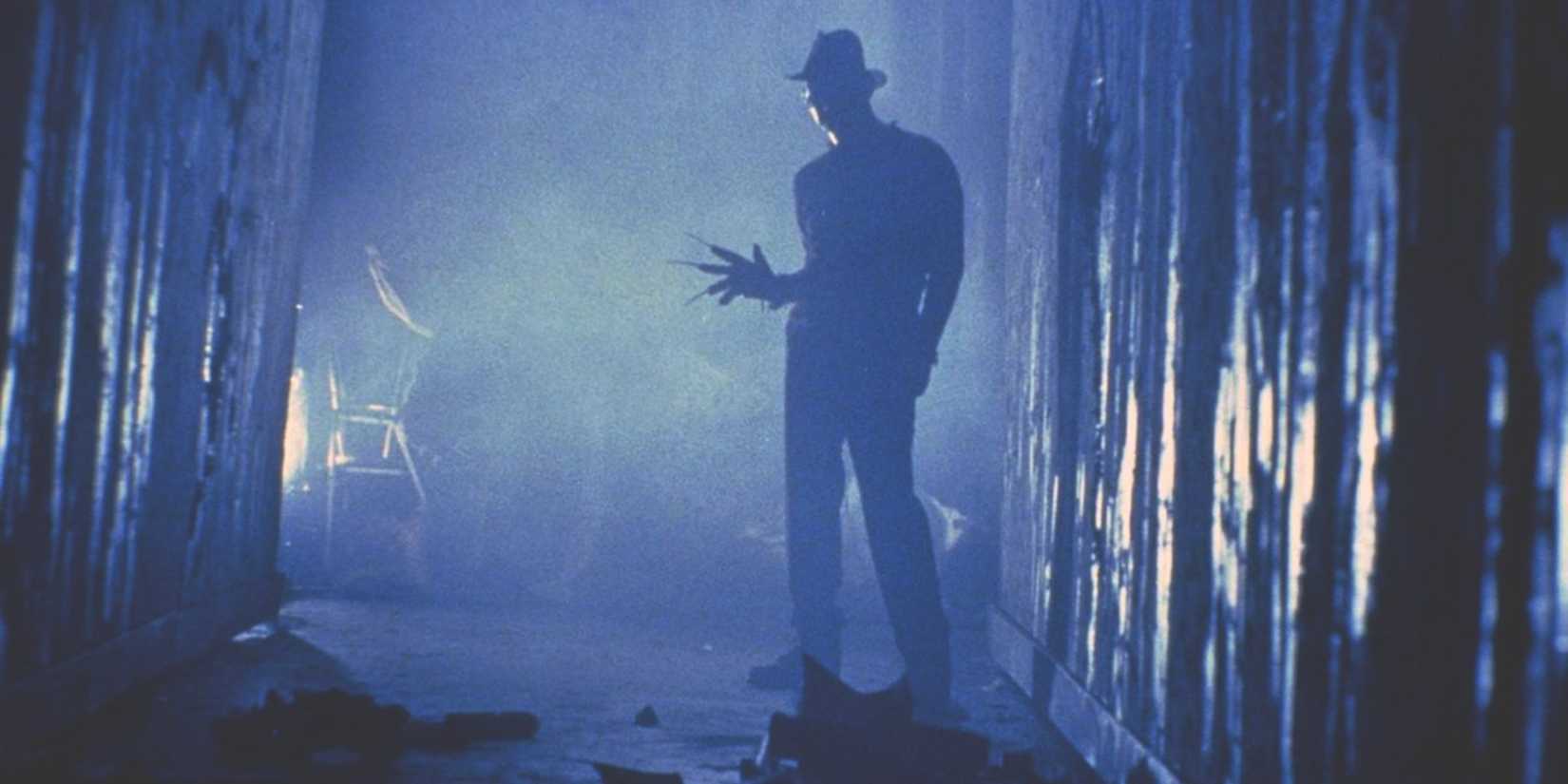
I remember when A Nightmare on Elm Street first came out, and even though it became something totally unique and creative, you could still see the influence of Halloween. The movie starts out pretty similar to those early slashers – you’ve got teenagers in the suburbs, a creepy killer, and that feeling like someone’s always watching. At first, Freddy Krueger felt like a more advanced version of Michael Myers, a supernatural take on the same kind of relentless, silent threat.
Freddy Krueger is a relentless villain who attacks people where they feel most secure. But Elm Street stands out because it moves the horror into the dream world, unlike the more realistic approach of Halloween. This film shows a turning point for the genre, demonstrating that simply copying other movies wasn’t enough anymore – filmmakers needed to be more original.
Instead of directly imitating John Carpenter’s Halloween, Wes Craven used its basic structure as a starting point to create something more dreamlike and legendary. A Nightmare on Elm Street marked a turning point where horror filmmakers stopped simply trying to replicate Halloween and began challenging it with more original and imaginative ideas.
Friday The 13th (1980)

Many consider Friday the 13th the most blatant copycat of Halloween. Producer Sean S. Cunningham readily admitted he started the project after seeing Halloween’s success, hoping to achieve a similar low-cost, high-profit result. He wanted a memorable, slightly unsettling date to launch a franchise, and chose Friday the 13th even before a story was developed.
Friday the 13th shares similarities with Halloween, employing a deliberate, slow build-up of suspense, a killer’s point of view during attacks, and a remote location—trading a neighborhood for a summer camp. The music, composed by Harry Manfredini, also resembles John Carpenter’s simple but effective style, relying on sound to create tension. However, the killer in the first Friday the 13th film doesn’t have the same memorable impact as Michael Myers.
Mrs. Voorhees mainly served to surprise the audience, but when her son Jason appears, it’s clear he’s heavily inspired by the original masked killer from the first film. Friday the 13th was a huge hit, showing that the formula of Halloween could be copied again and again. Interestingly, the movie that started as a copycat actually became a major franchise, eventually becoming as popular as – and in some ways even more influential than – Halloween itself.
Read More
- Invincible Season 4 Episode 4 Release Date, Time, Where to Watch
- Physics Proved by AI: A New Era for Automated Reasoning
- How Martin Clunes has been supported by TV power player wife Philippa Braithwaite and their anti-nepo baby daughter after escaping a ‘rotten marriage’
- CookieRun: OvenSmash coupon codes and how to use them (March 2026)
- Total Football free codes and how to redeem them (March 2026)
- Goddess of Victory: NIKKE 2×2 LOVE Mini Game: How to Play, Rewards, and other details
- Gold Rate Forecast
- American Idol vet Caleb Flynn in solitary confinement after being charged for allegedly murdering wife
- Only One Straw Hat Hasn’t Been Introduced In Netflix’s Live-Action One Piece
- Olivia Colman’s highest-rated drama hailed as “exceptional” is a must-see on TV tonight
2026-01-24 19:05