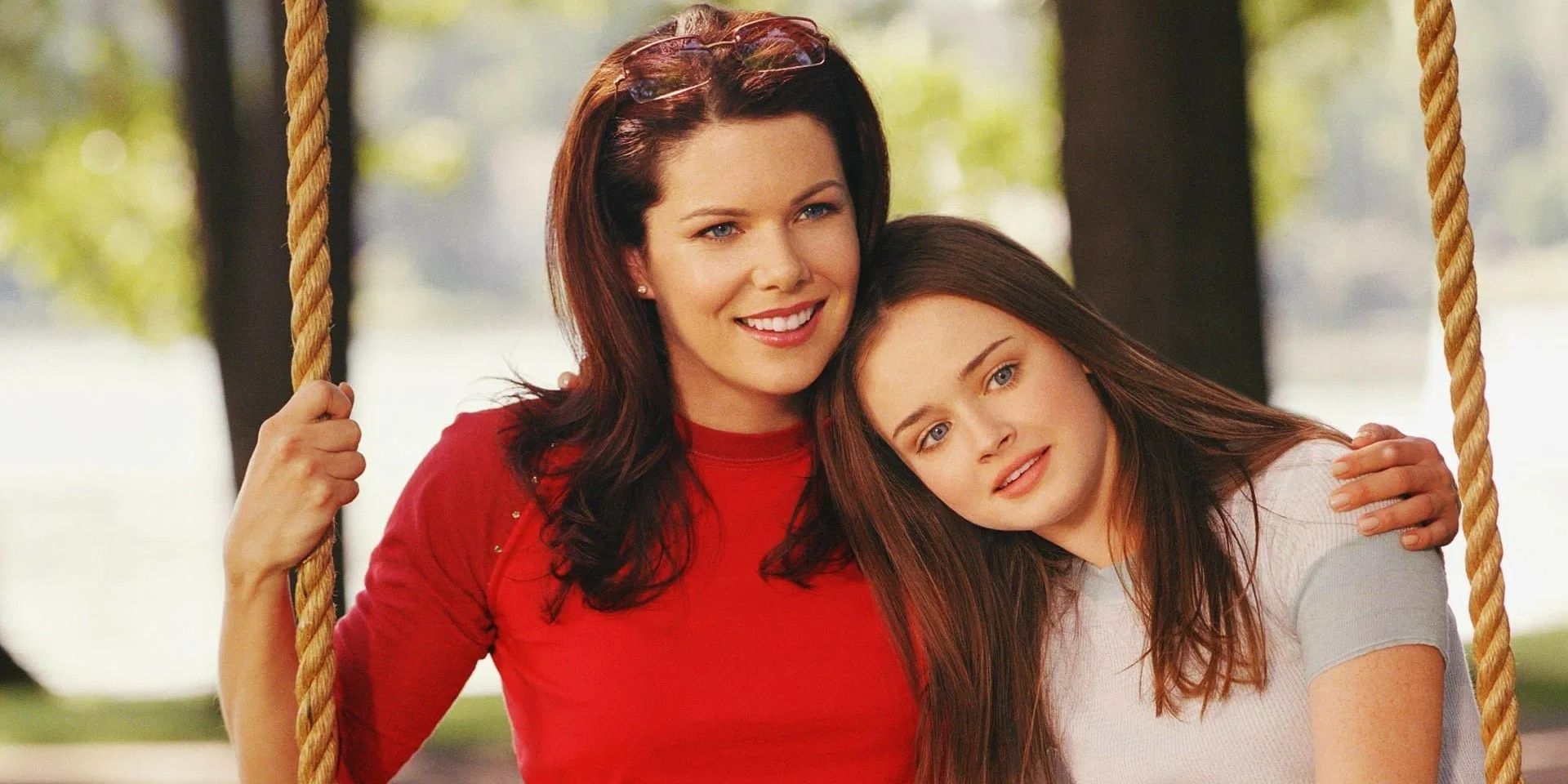
For seven seasons, fans loyally followed Amy Sherman-Palladino’s Gilmore Girls wherever it took them. However, rewatching the show—about the charming town of Stars Hollow and its residents—as an adult can be surprisingly revealing. Whether you’re a new viewer or a longtime fan who watched since the show’s original run, revisiting Gilmore Girls in 2026 can feel a bit like a harsh awakening, much like a strong, black coffee from Luke’s Diner.
When Gilmore Girls first aired, many viewers admired the close and witty relationship between the mother and daughter. It seemed like a perfect life. However, today’s viewers, with more experience and understanding, can recognize the show’s underlying problems with issues like privilege, healthy communication, and emotional growth. While initially charming, the show now reveals deeper, more complex themes.
Rory’s “Brilliant” Writing Career Was Always a Fantasy
Rory Gilmore quickly became an inspiration for anyone who loved to read. She was a smart, ambitious girl from a small town with big dreams of attending an Ivy League school and becoming a famous journalist. Many imagined she’d follow in the footsteps of Christiane Amanpour, escaping the ordinary life of Stars Hollow to achieve great things in the world of journalism.
Everyone adored Alexis Bledel’s portrayal of Rory—teachers, adults, and viewers alike—she effortlessly captured the character’s kind and ambitious nature, which wasn’t simple to do. The show heavily emphasized Rory’s skill as a writer and her potential as a student. However, whenever her writing was actually shown on screen, it didn’t quite live up to the hype.
Honestly, Rory’s writing at Chilton never really impressed me – Paris always seemed so much sharper. And then her stuff for the Yale Daily News? Let’s just say Mitchum Huntzberger wasn’t a fan, and rightfully so! But I actually appreciated that the revival, A Year in the Life, finally showed Rory struggling. It wasn’t glamorous; she was unemployed, drifting around, and didn’t really have a direction. It was a realistic, if not a little painful, look at where she ended up.
The Lorelai You Remember Never Actually Existed
The show Gilmore Girls was built around the idea of Lorelai being a friend as much as a mother to Rory. For many teenage viewers, it was exactly the kind of relationship they dreamed of.
As someone who grew up watching a lot of TV, Lorelai Gilmore always felt like the ultimate mom figure to me. She just got pop culture, was incredibly warm, and had this amazing, slightly rebellious energy. It seemed like she deliberately built a life that was the complete opposite of how she was raised – rejecting the snobbiness of her wealthy family to create this really special, fun life with her daughter, and they were more like best friends than just mother and daughter.
However, a closer look reveals a different side to Lorelai Gilmore. While she presents herself as independent and having broken away from her wealthy upbringing, she consistently accepts financial help from her parents, and doesn’t seem particularly thankful for it.
Stars Hollow’s Quirky Charm Is Actually Deeply Toxic
Stars Hollow, the charming town in Amy Sherman-Palladino’s series, appears idyllic on the surface. However, beneath its friendly exterior lies a subtly unsettling and closed-off community, much like the studio set where it’s filmed. While it seems like a sweet, familiar place with cozy shops and friendly neighbors, it’s actually quite isolated.
Life in Stars Hollow means everyone is constantly watching everyone else, and even the nicest people can’t resist a little gossip. Every shop and diner becomes a place to keep tabs on neighbors, and some people act like they’re in charge of everything. Miss Patty often makes inappropriate comments about people, yet she’s put in charge of children. And Kirk consistently oversteps personal boundaries, behaving in ways that would be unacceptable today.
That’s just one example – Palladino often creates characters who feel overly stereotypical. This results in quite a few Stars Hollow residents who come across as frustrating or unbelievable to today’s viewers.
Class Commentary Remains Frustratingly Surface-Level
While Gilmore Girls tries to appear socially aware by criticizing wealth and privilege, its commentary on class is actually quite shallow. The show portrays Emily and Richard as villains for being wealthy and snobbish, but it avoids acknowledging that Lorelai’s independent lifestyle is only possible because of the financial support she received from her parents and their inherited wealth.
Characters from working-class backgrounds, like Caesar, often feel like set dressing – visually interesting but not fully developed people facing real financial hardship. The show briefly touches on economic inequality, but it tends to focus on the look of poverty instead of the deeply damaging effects of financial instability.
As a movie and TV lover, I’ve always found it interesting how some shows portray class. With Gilmore Girls, it always struck me as a very… comfortable take on working-class life. It felt more like a cute aesthetic than a real look at the struggles people face when money is tight. It presented things as charming and cozy, when honestly, that kind of financial insecurity can be incredibly difficult, even devastating.
Emily Gilmore Got a Bad Wrap but Might Be an Even Better Mother
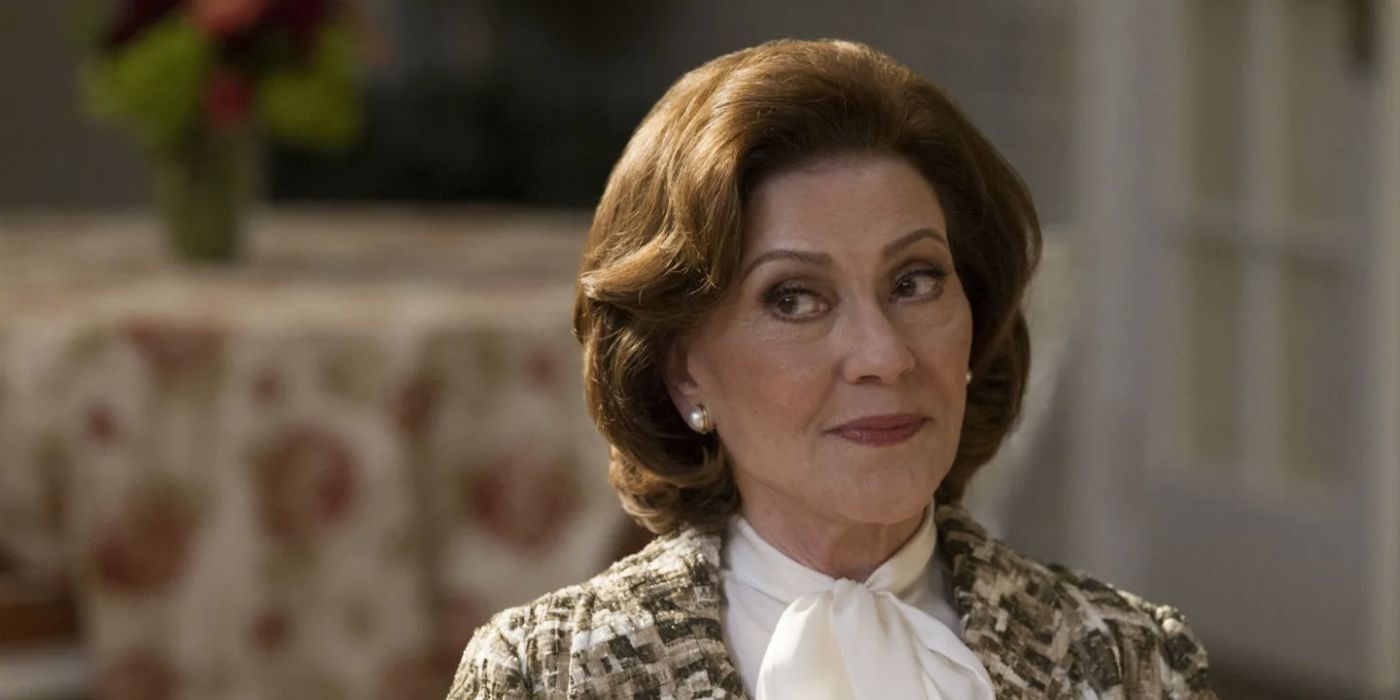
Emily Gilmore often played the role of the antagonist in Gilmore Girls – the cold, proper matriarch from Hartford whose strict expectations and critical dinner conversations were supposedly responsible for stifling Lorelai’s independent spirit. While viewers were meant to dislike her critiques of Lorelai, Emily is arguably the most composed and capable adult amidst all the drama.
Lorelai often acts as if Emily is awful for simply expecting a certain level of decorum. Emily consistently provides for Lorelai – paying for Chilton, offering a place to stay during tough times – and even her criticisms come from a desire to see Lorelai surrounded by quality. Emily expresses love by trying to help and advise, but Lorelai seems to resent her for not being the idealized mother figure she envisioned. Despite this, Lorelai readily accepts Emily’s financial support when it suits her.
Finally, the show allows Emily to truly shine. After Richard’s death, she stops trying to please others and begins to express her own thoughts and feelings. She leaves the DAR, confronts her judgmental friends, and openly calls out Lorelai when she’s being inconsiderate, without feeling the need to apologize. It’s incredibly satisfying to see Emily finally defend herself—she deserved to be treated with more respect than she often received.
A Year in the Life Proved These Characters Never Actually Grew Up
The revival series, A Year in the Life, showed that the characters from Stars Hollow had significant emotional issues. It’s understandable that Amy Sherman-Palladino faced a challenge bringing the show back after so long.
People adore Gilmore Girls because it’s comforting, a little quirky, and filled with characters who are consistently likable, much like those in The Simpsons. However, bringing those same characters back now, older but acting the same way, changes the warm nostalgia into something a bit awkward and uncomfortable.
Rory, now in her fifties, is surprisingly homeless, relying on the kindness of friends after failing to launch the successful journalism career everyone expected. Lorelai continues to avoid difficult situations, now escaping through long-distance hiking instead of simply retreating into her home. But seeing these women in their fifties behaving like rebellious teenagers isn’t charming – it’s disheartening.
Pop Culture References Create a Time Capsule Effect
One of the things that made Gilmore Girls so beloved was how knowledgeable Lorelai and Rory were about pop culture. But a lot of the jokes and references that were funny at the time now feel very dated, stuck in the early 2000s.
Constantly mentioning celebrities like Carson Daly and Paul Anka feels forced and can actually highlight how empty some of the conversations are. However, it’s a tricky situation – it can also be effective at times.
What makes Gilmore Girls feel dated now actually helped it connect with viewers when it was originally on TV. While some of those references might seem strange today, it’s hard to say if the show would have been as popular without them.
Rory Isn’t an Underdog, She’s a Nepo-Baby
Rory enjoys elite private education, she’s a pitiful soul.
Rory’s strong reaction to Mitchum Huntzberger’s criticism – pointing out her weaknesses as a journalist – made her seem spoiled and entitled. For many viewers, this moment changed how they saw her, shifting her from a determined underdog to someone benefiting from family connections. Her decision to leave Yale after just one harsh comment didn’t feel like a typical young adult struggle; instead, it came across as a breakdown from someone used to always getting their way.
One of the most difficult aspects of rewatching Gilmore Girls is how the show handles Rory’s success. While it asks us to cheer her on, it’s hard to truly connect with her achievements because the show never acknowledges the significant advantages that practically guaranteed them.
Lorelai and Luke Proved They Shouldn’t Be Together
The connection between Luke and Lorelai was at the heart of Gilmore Girls, driving the show’s romantic tension for all seven seasons with lingering looks and unspoken feelings. Their relationship began as a strong friendship, fueled by a love of coffee and a comfortable closeness that developed naturally over years of shared experiences.
If a relationship needs seven seasons and a reboot just to learn how to talk things through, it might be a sign that it’s not working. The constant back-and-forth between Luke and Lorelai stretched on for so long it became predictable. Every time they faced a problem, they fell into the same pattern: Luke would shut down and Lorelai would avoid dealing with it.
The reboot shows they didn’t grow at all. Lorelai still awkwardly deals with stress involving Luke, avoiding a simple conversation and instead running away – this time by hiking the Pacific Crest Trail. Eventually, a passionate connection isn’t enough; it starts to seem like they’re simply not suited for each other, confusing initial attraction with lasting compatibility.
The Uncomfortable Truth About Comfort Television
Watching Gilmore Girls now as an adult makes it clear the show perfectly captured a special quality of early 2000s, feel-good television.
However, the show also relies heavily on predictable clichés, tired plotlines, and unnecessary conflict. While it still works as easy, feel-good viewing – comforting and familiar – it might not be as fulfilling as you recall.
While Gilmore Girls is enjoyable as a lighthearted escape, it doesn’t offer great examples of healthy relationships or consistent storylines. The show’s characters often display unhealthy behaviors, and Stars Hollow is best experienced as a viewer, not as a model for real life.
Read More
- Total Football free codes and how to redeem them (March 2026)
- Pixel Brave: Idle RPG redeem codes and how to use them (May 2026)
- Last Furry: Survival redeem codes and how to use them (April 2026)
- Clash of Clans May 2026: List of Weekly Events, Challenges, and Rewards
- Top 5 Best New Mobile Games to play in May 2026
- Light and Night brings its beloved otome romance experience to SEA region with a closed beta test starting May 20, 2026
- Gear Defenders redeem codes and how to use them (April 2026)
- Painful truth about Alexa Demie after she vanished… then emerged with drastic new look: Insiders spill on Sydney Sweeney feud and Euphoria star’s plan for revenge
- Skip Bayless and Stephen A. Smith to reunite on ESPN’s ‘First Take’ for one day only
- Winnita Casino Guida per vincere in grande nel gioco d’azzardo online
2026-05-15 03:50