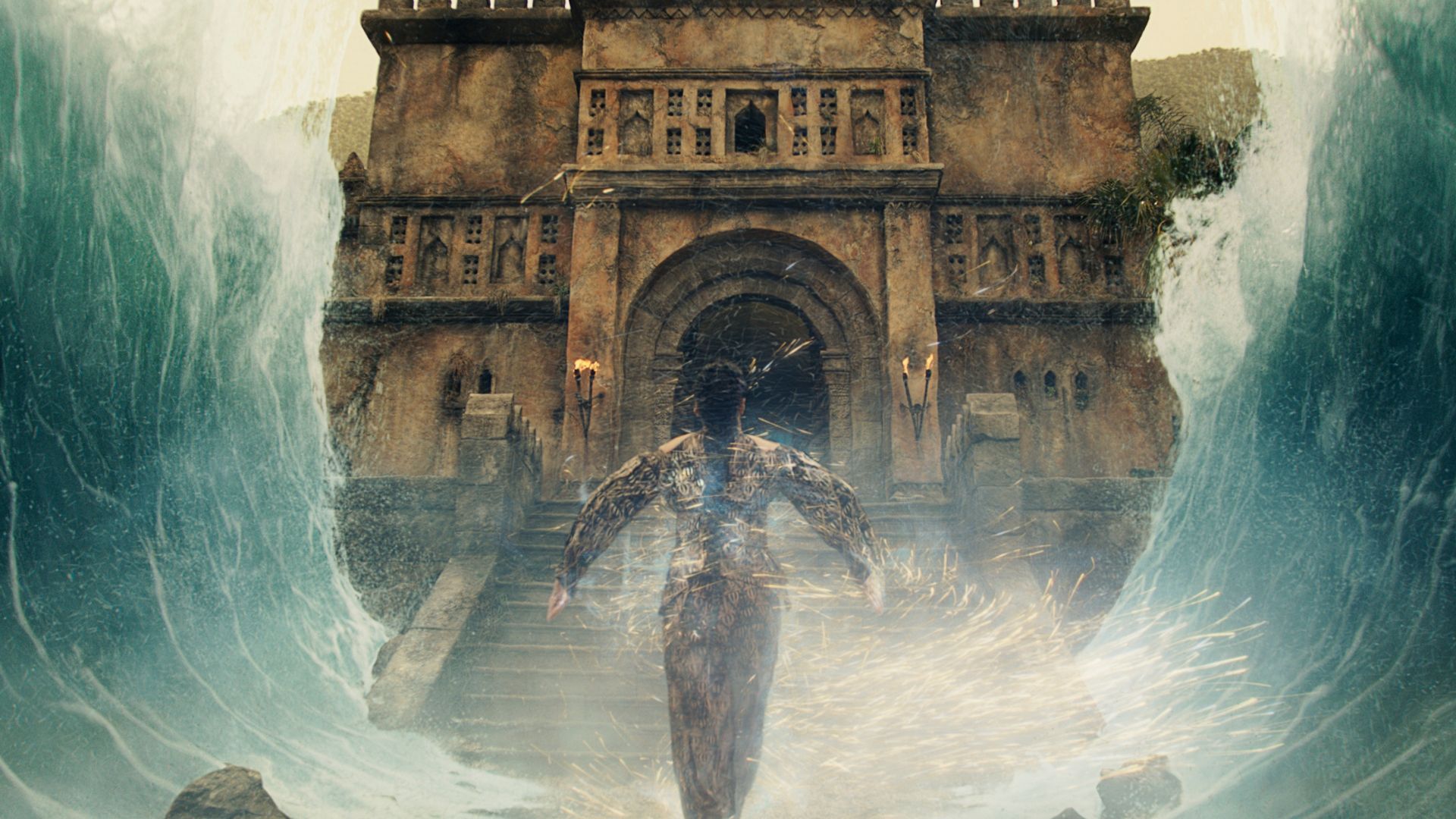
People enjoy fantasy for many reasons – the magic, the dragons, the villains. But the most dedicated fans are drawn in by the detailed worlds these stories create. We still admire the vast landscapes of The Lord of the Rings and the enchanting settings of Harry Potter because they feel so real, complete with maps, cultures, and histories. Peter Jackson’s adaptation of Middle-earth really raised the standard for world-building in fantasy. However, movies have limitations – they can only show so much in a few hours, and eventually, that world has to disappear. There’s just not enough space to fully explore everything.
Unlike movies, television series have the space to truly build expansive fantasy worlds. They can develop complex relationships between groups, give landscapes unique characteristics, and fully explore the myths and stories they create. While fantasy films offer amazing visuals, TV excels at crafting deeper, more detailed, and more captivating universes.
Here are 10 fantasy series that beat movies at their own game.
‘The Wheel of Time’ (2021 – 2025)
Robert Jordan created an incredibly detailed world over fourteen novels, complete with its own unique language, calendar, and prophecies. Adapting this massive story for television was a big challenge for Prime Video’s series, which began in 2021 and stars Rosamund Pike as Moiraine. The show centers around five young villagers from Two Rivers, and one of them might be the reincarnation of a legendary figure known as the Dragon Reborn.
Rather than focusing on a single destined hero, The Wheel of Time explores a world where five individuals might be the key to its fate – a refreshing take on a common fantasy trope. The show’s magic system, known as the One Power, is complex, influenced by gender and politics, and inherently risky. Beyond the magic, the series showcases incredibly detailed cultures and costumes, all richly imagined by the late author Robert Jordan, with each episode revealing more of his expansive world-building.
‘Penny Dreadful’ (2014 – 2016)
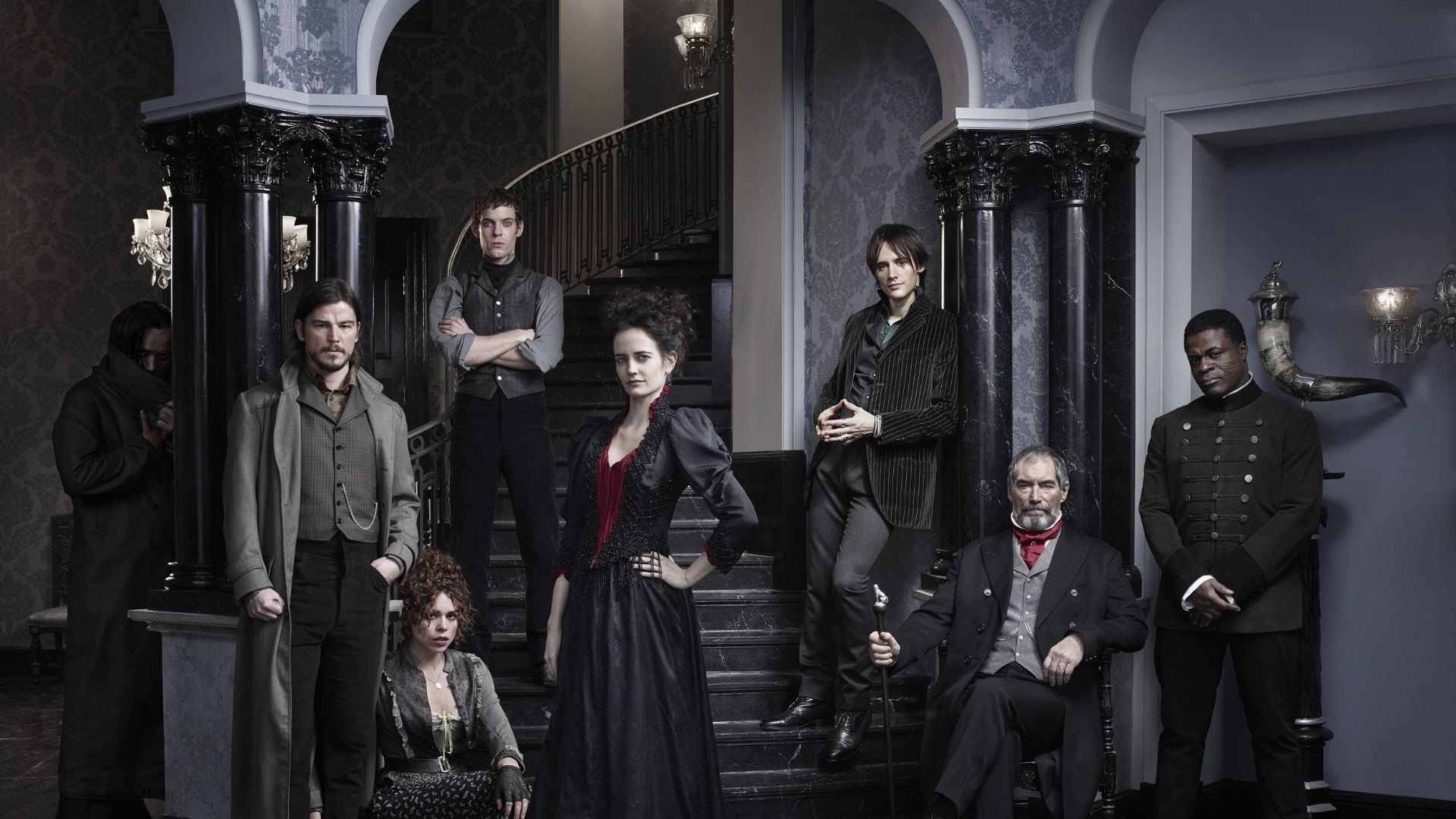
Penny Dreadful is a beautifully crafted show that combines gothic horror with fantasy elements. Taking place in Victorian London, it offers a fresh, dark take on famous characters from literature like Dracula, Frankenstein, and Dorian Gray. Created by John Logan, a seasoned playwright, the series has a theatrical feel. The show revolves around Vanessa Ives, powerfully portrayed by Eva Green, a woman tormented by both spiritual and supernatural forces.
This story doesn’t focus on typical fantasy elements like detailed maps or complex magic systems. Instead, it creates a unique atmosphere through its setting and buildings. The creator, Logan, builds a London where the supernatural and scientific feel real, creating a sense of unease. The world of Penny Dreadful is constructed from the emotions – the sorrow, guilt, and beliefs – of the characters, which makes it feel incredibly alive and authentic.
‘The Magicians’ (2015 – 2020)
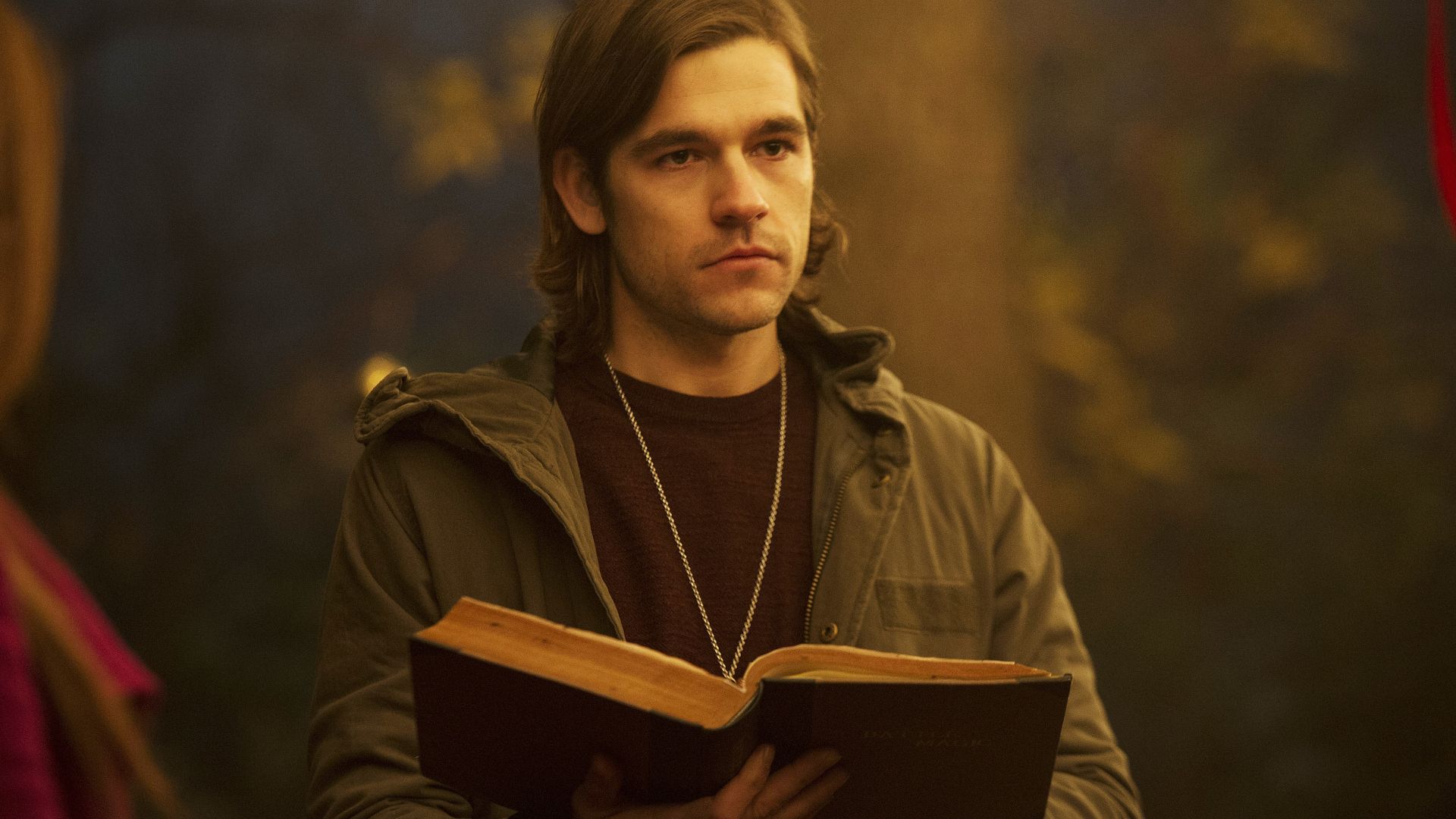
When I first heard about The Magicians, it sounded a bit like a grown-up Narnia set in college, with everyone going to therapy – which, honestly, made me chuckle. But it’s so much more than that! It’s actually one of the most creatively risky fantasy shows I’ve ever seen. It’s based on Lev Grossman’s books and follows a guy named Quentin Coldwater and his friends as they realize magic is real, but it’s far from the happy-go-lucky stuff you read about in fairy tales. It’s a really unique blend of funny moments, genuinely sad parts, and totally unexpected turns.
Over its five seasons, The Magicians continually builds a rich and complex world while still staying grounded in its characters’ feelings. It goes beyond simple spellcasting to examine what happens when people actually use magic. The magical world of Fillory is both charming and dangerous, with its own intricate political system. The show is also remarkably versatile, blending serious issues with lighthearted humor. Ultimately, The Magicians portrays magic as something chaotic and unpredictable, creating a universe that is both captivating and a little bit disturbing.
‘The Legend of Vox Machina’ (2022 – Present)
The animated series The Legend of Vox Machina began as a private Dungeons & Dragons game played by a group of friends. They started streaming it online, and unexpectedly gained a huge audience on Twitch. That humble beginning still shapes the show today. It centers around a chaotic group of mercenaries who are all dealing with significant past traumas – enough to keep a lot of therapists busy!
The original voice actors, including Laura Bailey, Travis Willingham, and Sam Riegel, reprise their roles with the same energy, delivering both hilarious moments and surprisingly heartfelt scenes. The show’s world, Exandria, and its rich details – like the politics of Tal’Dorei and the story of the Chroma Conclave attack – all feel wonderfully immersive. Despite starting with a comical scene of the heroes failing at a simple bar fight, the series quickly evolves into something truly special.
‘The Good Place’ (2016 – 2020)
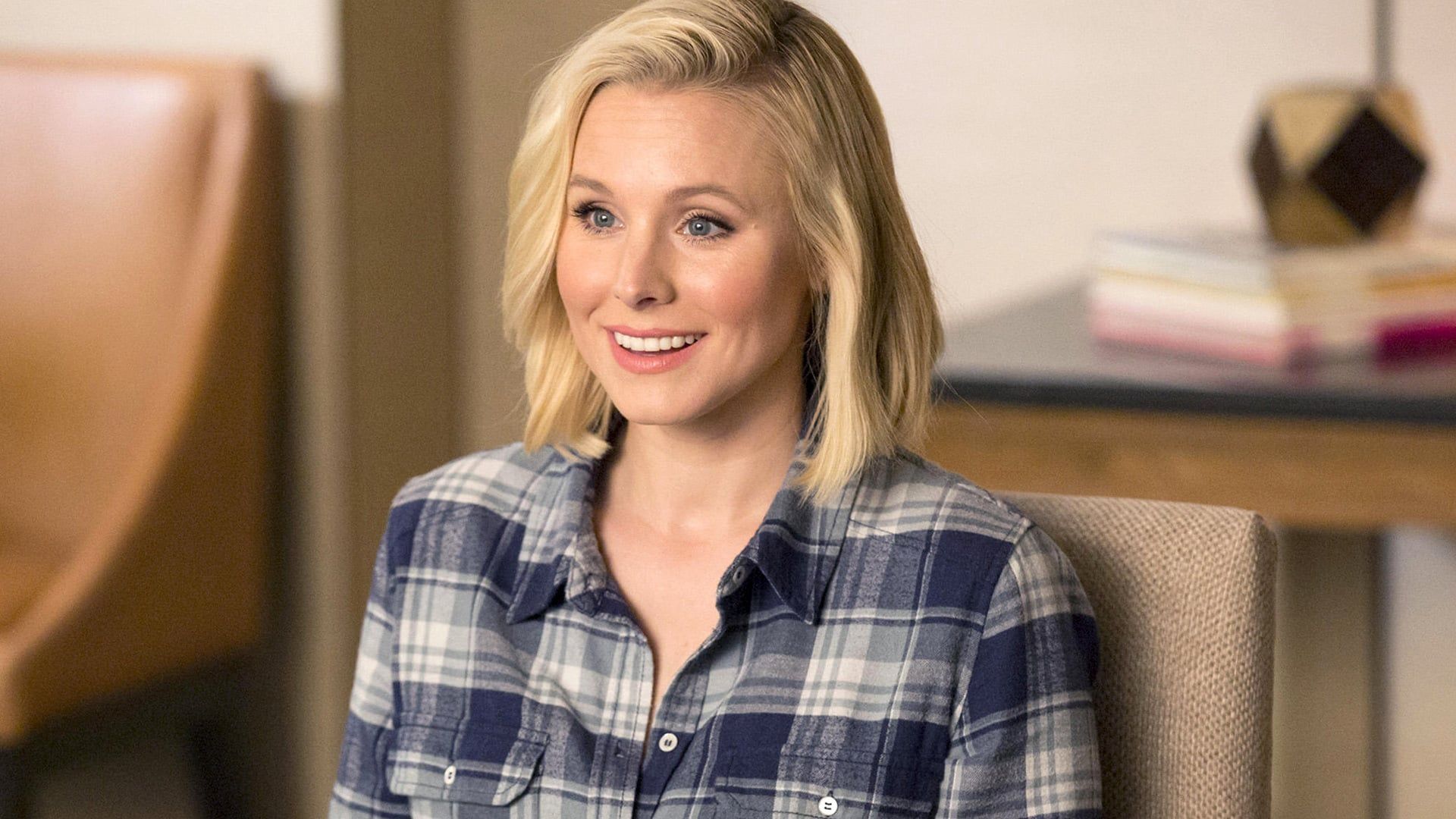
I know some people might be surprised to hear me call The Good Place a fantasy show, but honestly, it really is! The whole thing takes place in the afterlife, and it’s built around this incredibly detailed system where every good and bad deed you do is tallied up to decide where you go. Plus, there’s this whole massive cosmic organization that runs everything, and it’s fascinating! The show, created by Michael Schur, starts with Eleanor Shellstrop (played by Kristen Bell) finding herself in the afterlife… and she definitely doesn’t belong there.
The world of The Good Place is thoughtfully and carefully constructed, exploring complex philosophical ideas. The show’s creator, Michael Schur, and his team consulted with real ethics professors to make sure the moral questions felt authentic. They even include references to philosophers like Scanlon and Kierkegaard. Beyond the ideas, the afterlife itself is imagined in a unique and detailed way. Each location – from the Good Place to the Bad Place and beyond – has its own distinct look and feel, creating a consistent and believable world.
‘Game of Thrones’ (2011 – 2019)
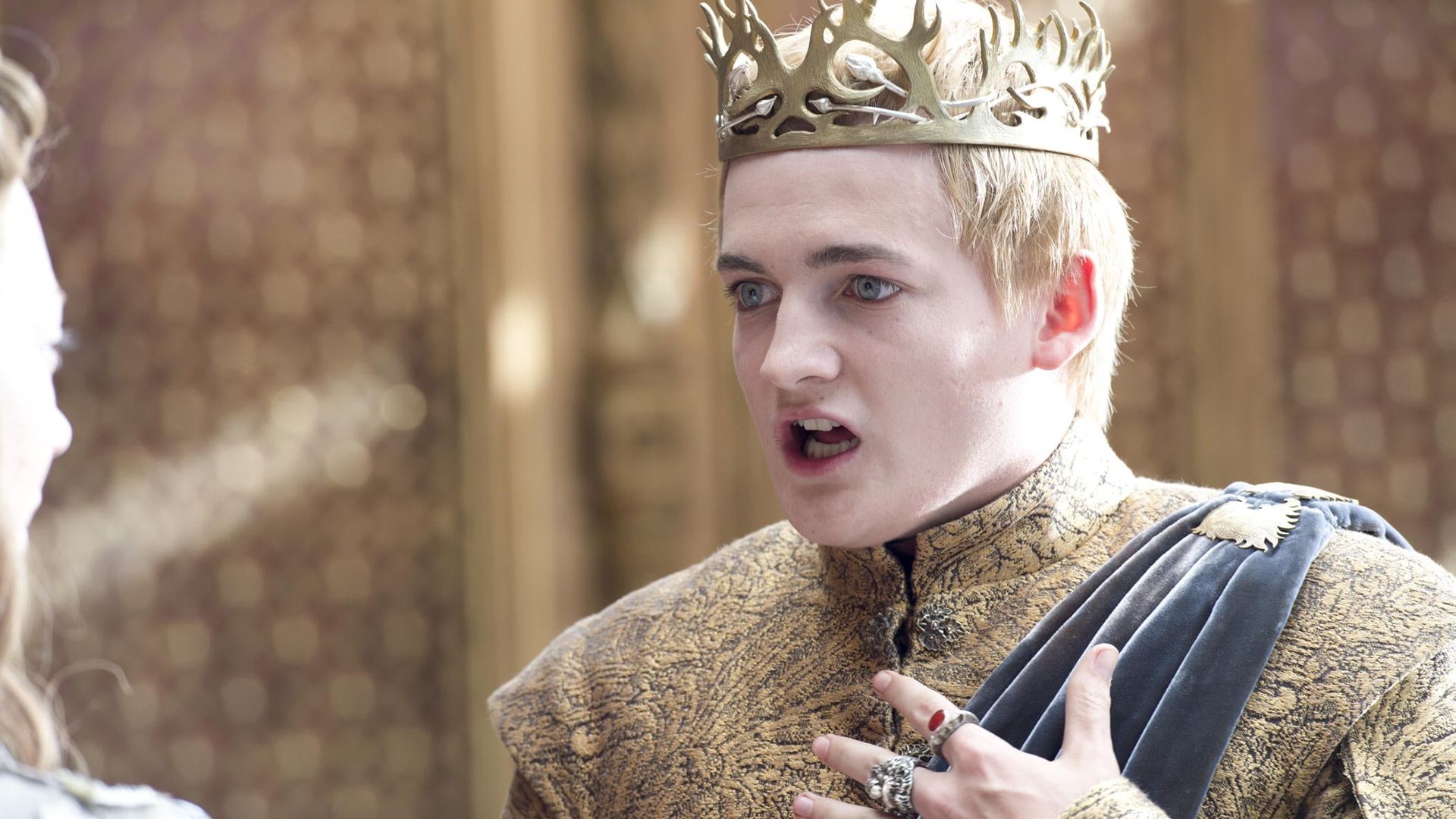
The popular show Game of Thrones recently concluded after eight seasons, sparking a lot of debate about its ending. However, putting that aside, the show’s overall success is remarkable. Adapted from George R.R. Martin’s A Song of Ice and Fire book series, it follows the stories of many families vying for power, fighting to survive, or seeking revenge in the lands of Westeros and beyond.
What always struck me about Westeros is how real it felt. George R.R. Martin didn’t just create a fantasy land; he built a world like actual empires are built – through strategic marriages, shocking betrayals, and generations of built-up resentment. It’s fascinating how the different religions are constantly clashing, and even the Night’s Watch felt like a commentary on institutions falling apart. And the Dothraki? Their culture was so unique and, importantly, never glorified. When Game of Thrones was at its best, it wove together geography, economics, and the deep scars of family history in a way I’ve never seen before in any fantasy world. Nothing else even comes close to that level of detail and complexity.
‘Arcane’ (2021 – 2024)
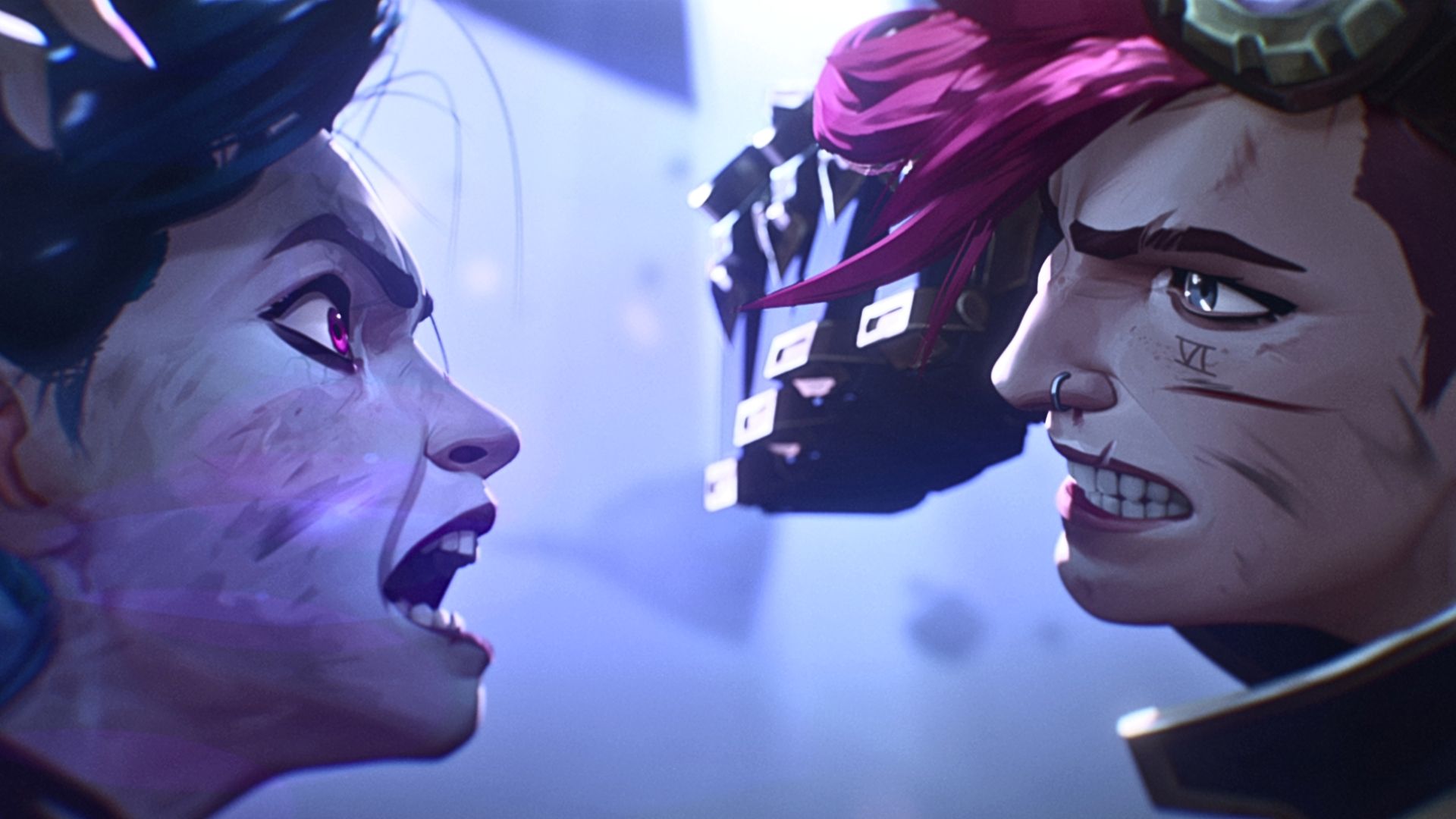
For years, the rich backstory of the popular video game League of Legends was mostly just extra details added between matches. While interesting, it wasn’t a core part of the experience. That changed in 2021 with the release of Arcane on Netflix. This animated series, based on the game’s history, quickly became one of the most highly praised animated shows of all time, earning a near-perfect rating on Rotten Tomatoes and winning an Emmy Award.
Created by Fortiche Productions and Riot Games, Arcane builds a compelling conflict around the control of Hextech – a powerful, magic-based technology – in the cities of Piltover and Zaun. The show’s stunning visuals are remarkably effective at creating a rich and detailed world. Piltover is depicted with sleek, modern architecture, contrasting sharply with the gritty, makeshift structures of Zaun. While the story centers on the tragic relationship between sisters Vi and Jinx (voiced by Hailee Steinfeld and Ella Purnell), the world feels expansive and much larger than their personal narrative.
‘Buffy the Vampire Slayer’ (1997 – 2003)
High school is tough enough, but for Buffy Summers, it’s a fight for survival. The show Buffy the Vampire Slayer follows Buffy (played by Sarah Michelle Gellar) as she battles vampires and demons while also dealing with the everyday struggles of being a teenager – school, friends, and growing up. It can be a bit over-the-top at times, but that’s part of what makes it so fun. The show’s creator, Joss Whedon, initially focuses on self-contained monster stories each week, but slowly builds those into a larger, ongoing narrative.
Sunnydale feels richly detailed if you pay attention. The Watcher’s Council isn’t just a group of people, but a complex organization with its own internal struggles. Even the demon world feels real, with its own places to hang out, safe areas, and hidden systems. Plus, there are deeper mysteries like the history of the Slayers, the First Evil, and what exactly the Hellmouth is. Unlike many fantasy shows that quickly explain their worlds, Buffy lets its world unfold naturally. The more you watch, the more rewarding it becomes.
‘Once Upon a Time’ (2011 – 2018)
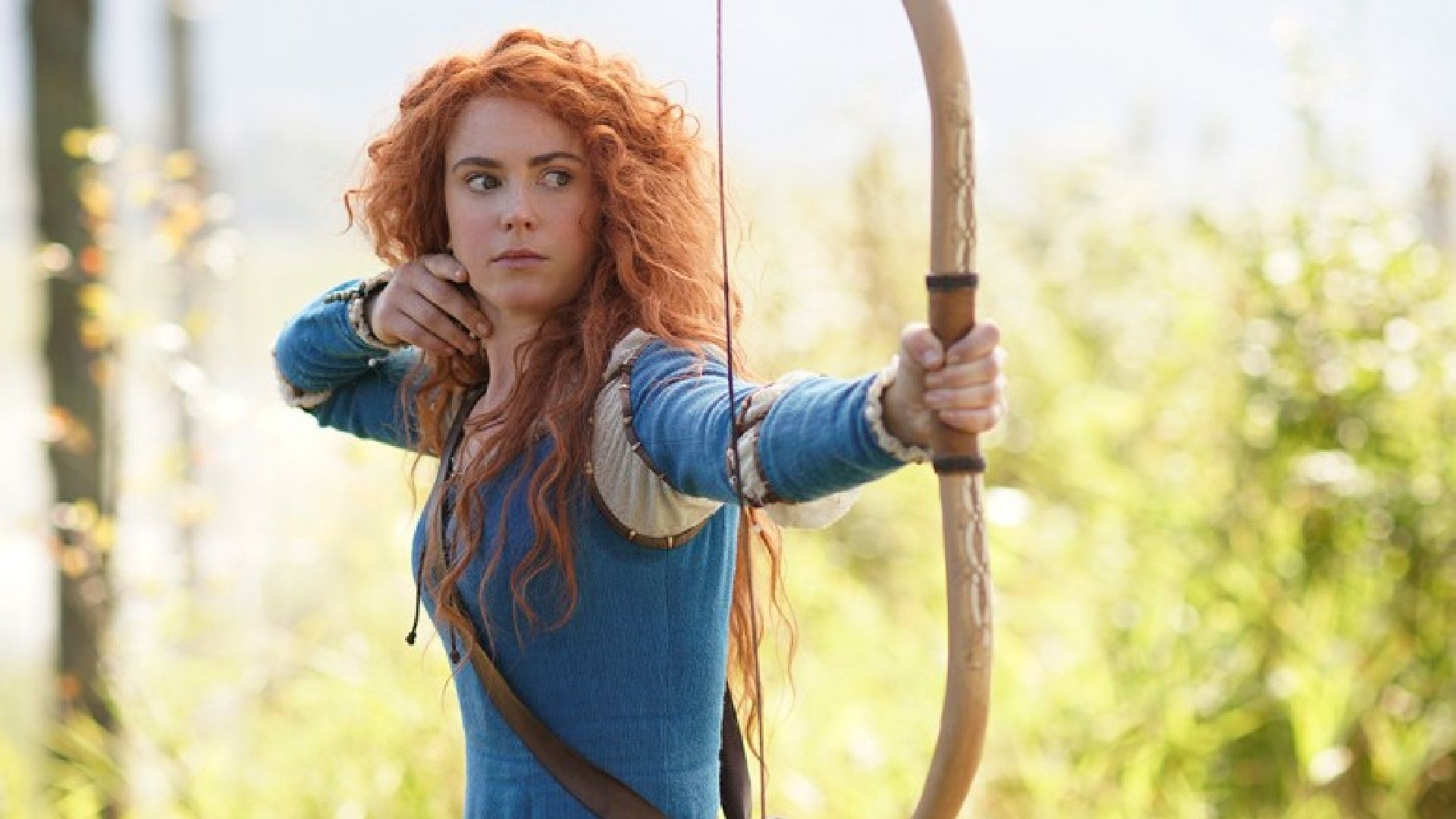
ABC’s Once Upon a Time took classic fairy tales and gave them a modern, fantastical spin. The show starts with Emma Swan realizing the residents of her town, Storybrooke, are actually fairy tale characters who have been cursed. It then develops into an epic story about magic, family, and finding forgiveness. One of the most enjoyable parts of the show is seeing well-known characters like Snow White, Rumpelstiltskin, and Captain Hook reimagined with new personalities and complicated connections.
The show truly excels at creating its world. Each villain has a compelling backstory, every hero has flaws, and the Enchanted Forest feels richly detailed, with its history revealed gradually through flashbacks and clever storytelling, particularly in the show’s first few seasons. Over the course of the series, the show incorporates the worlds of Wonderland, Neverland, Oz, and Camelot, each with its own unique rules and history. Ultimately, Once Upon a Time is imaginative, fun, and full of unexpected twists.
‘Avatar: The Last Airbender’ (2005 – 2008)
Many adults who watched Avatar: The Last Airbender as kids on Nickelodeon (between 2005 and 2008) can now explain the fictional world’s complex political history better than real-world history. This is thanks to the creators, Michael DiMartino and Bryan Konietzko, who built a remarkably detailed world within what seems like a simple children’s cartoon. While it is a show for kids, it also offers a surprisingly thoughtful and complex look at how trauma impacts generations and how systems can fail.
As a critic, I’ve always been struck by the incredible world-building in Avatar: The Last Airbender. Each of the four nations – Water, Earth, Fire, and Air – feels incredibly distinct, and it’s clearly inspired by real cultures. You see echoes of Inuit and East Asian art, the fighting is rooted in Chinese martial arts, and the architecture pulls from South Asian styles. Honestly, the 2010 movie adaptation really missed the mark, but it unintentionally highlighted just how carefully crafted the original series truly is.
Read More
- The Division Resurgence Best Weapon Guide: Tier List, Gear Breakdown, and Farming Guide
- Last Furry: Survival redeem codes and how to use them (April 2026)
- GearPaw Defenders redeem codes and how to use them (April 2026)
- Gold Rate Forecast
- eFootball 2026 “Countdown to 1 Billion Downloads” Campaign arrives with new Epics and player packs
- After THAT A Woman of Substance cliffhanger, here’s what will happen in a second season
- Clash of Clans Sound of Clash Event for April 2026: Details, How to Progress, Rewards and more
- Limbus Company 2026 Roadmap Revealed
- Guild of Monster Girls redeem codes and how to use them (April 2026)
- Genshin Impact Version 6.5 Leaks: List of Upcoming banners, Maps, Endgame updates and more
2026-04-05 20:53