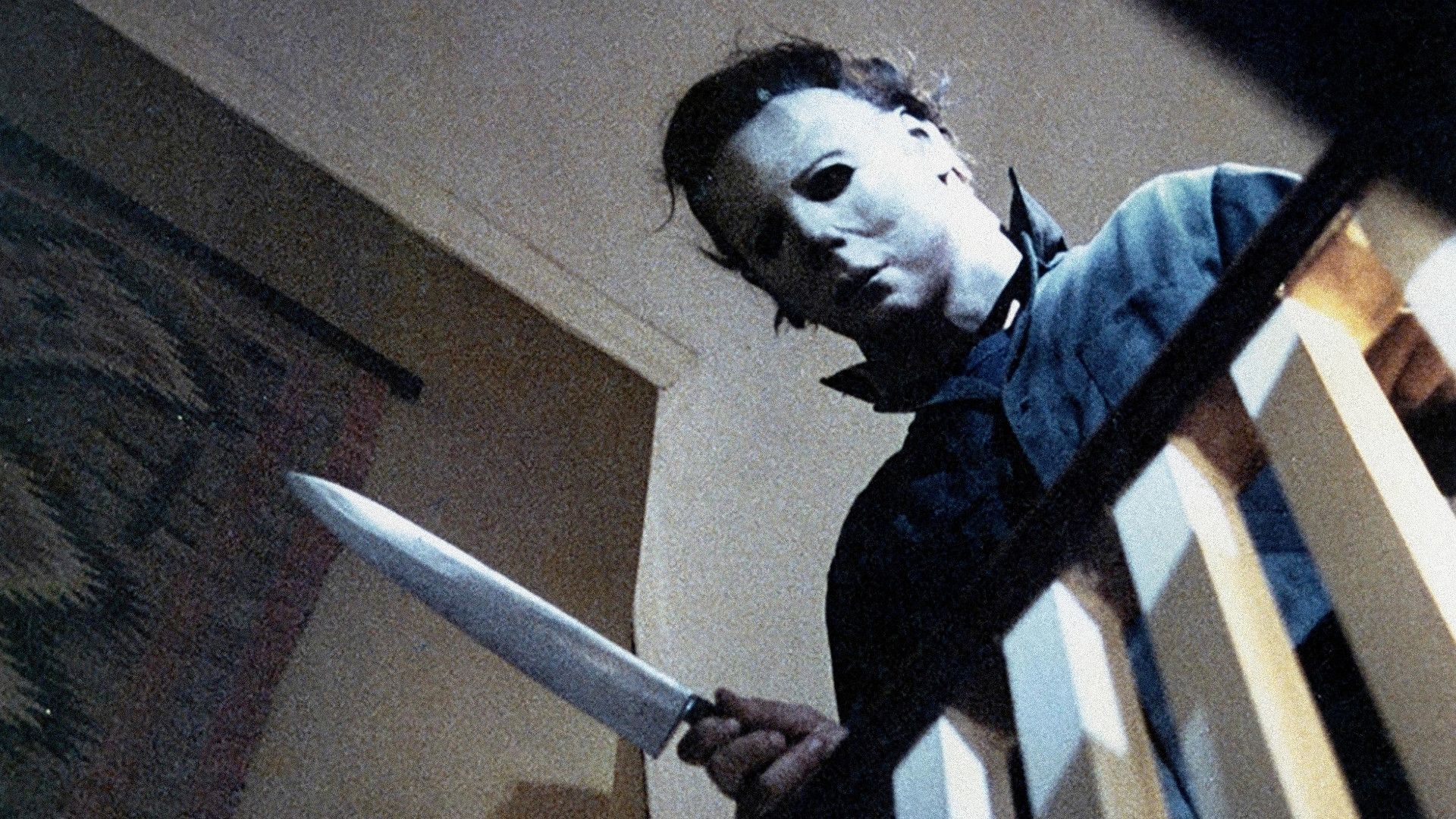
The location is crucial for a good horror movie, and small towns in America have been the backdrop for many classics. While cities often feel tough and dangerous, small towns seem innocent and ordinary, which makes them surprisingly effective and scary settings for a horror story.
Horror movies set in cities often focus on the fear of crime, but those set in small towns tap into the loss of innocence. The best horror filmmakers use these settings to create scary stories that also offer a critique of small-town life. Small towns, with their hidden histories, are ripe for exploration in the horror genre.
Slasher films frequently take place in small towns, but the most effective ones really capture the atmosphere. While small-town horror comes in many forms—including sci-fi, ghost stories, and more—certain themes tend to appear again and again.
The Town That Dreaded Sundown (1976)
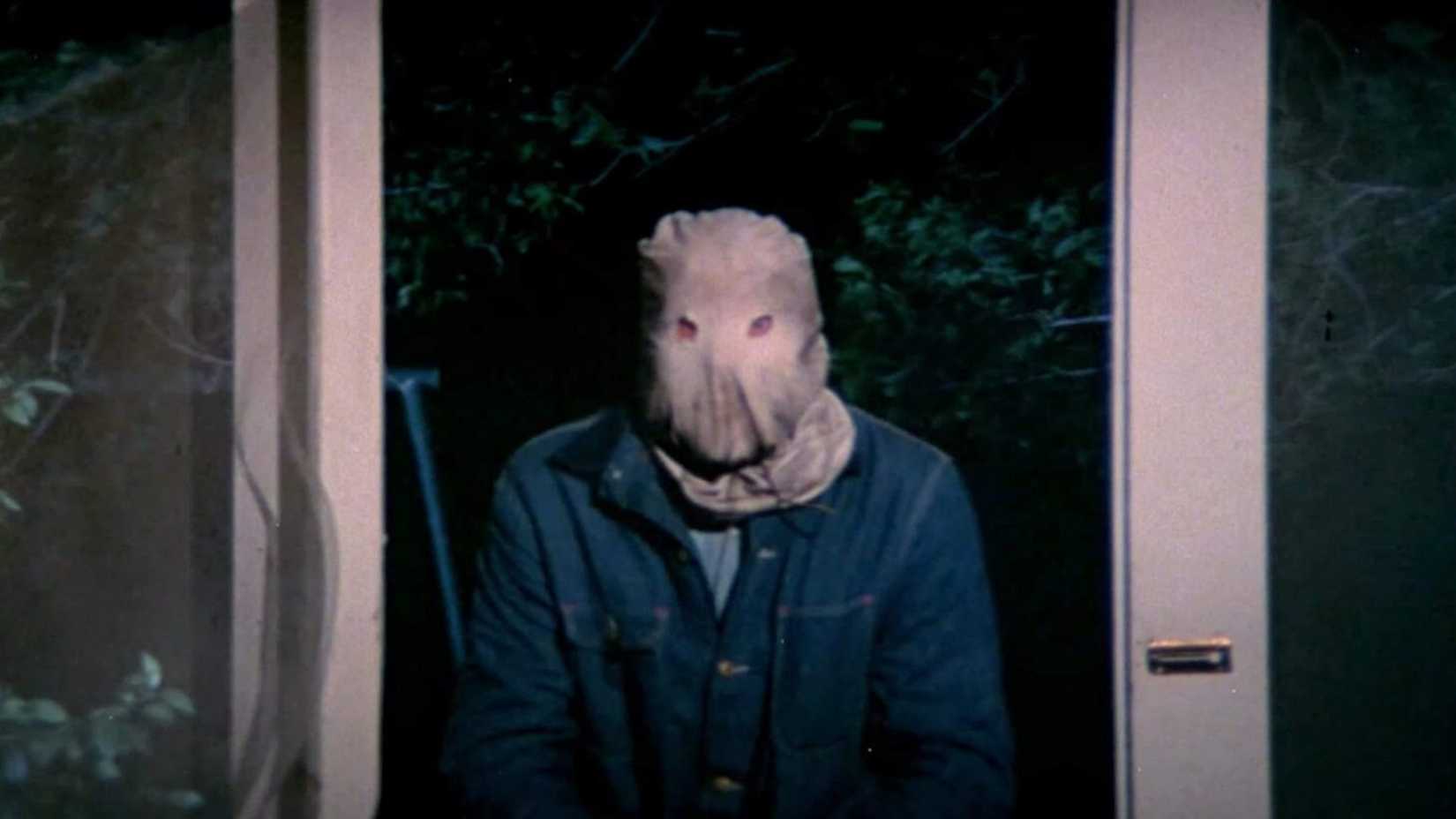
While most horror movies are made up, The Town That Dreaded Sundown is based on a true story of terrifying murders. Set in Texarkana in the late 1940s, the film depicts a series of brutal, unsolved killings that frightened the community. Though it stars Academy Award winner Ben Johnson, the movie is largely known as a low-budget, sensationalized thriller.
While a bit unpolished, The Town That Dreaded Sundown really nails the atmosphere of horror in a small town. The film looks at the true story behind the events while also turning it into a legend, blurring the lines between what really happened and what people believe. It came out at a time when slasher movies were still developing, and it helped establish some common ideas within the genre.
The Crazies (2010)
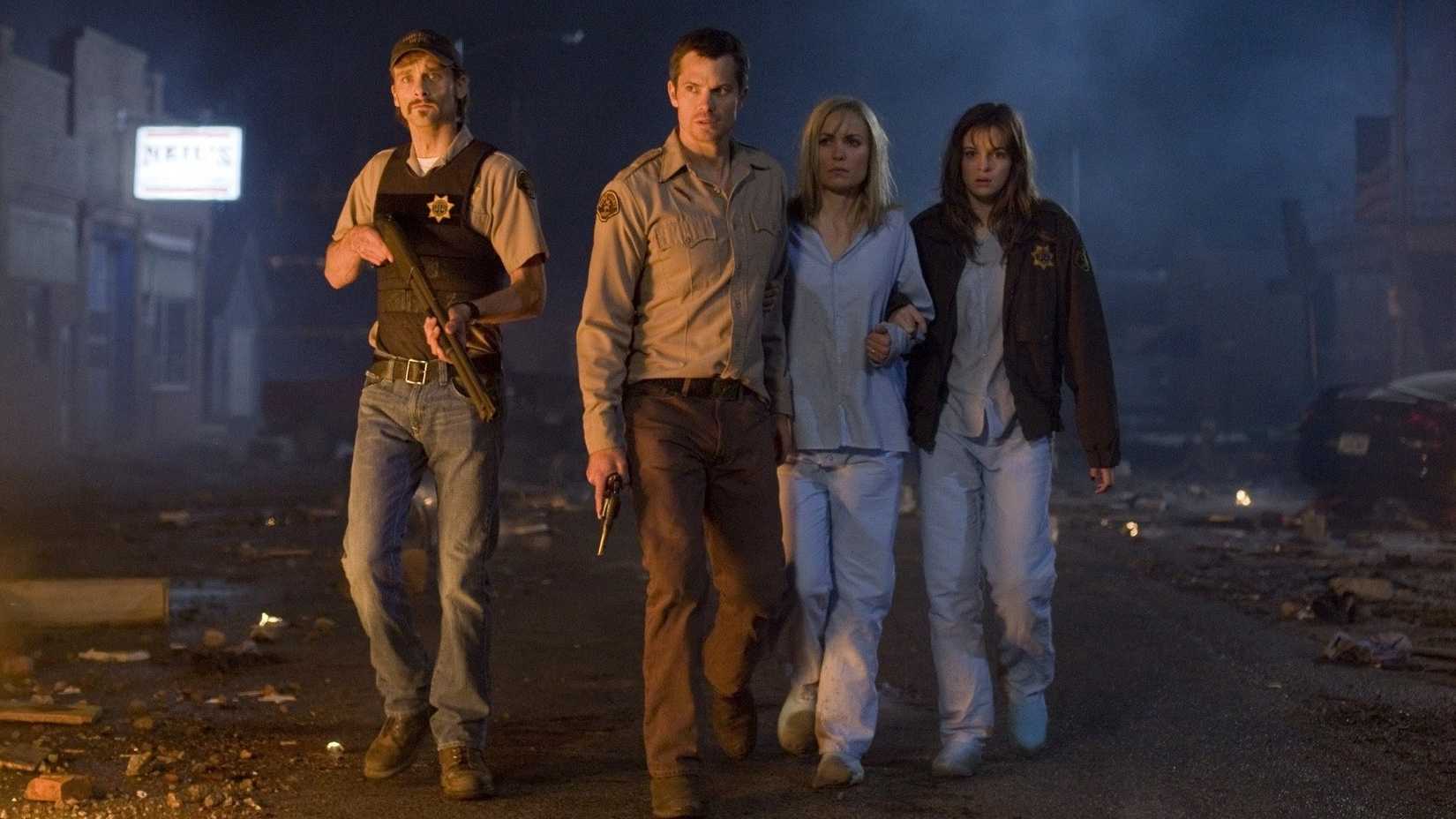
The Crazies stands out as one of the rare horror remakes that surpasses the original. The story begins with a quiet town unexpectedly plagued by a zombie-like outbreak, prompting a government quarantine to contain the spread. While the 1970s George Romero film is a beloved classic, the 2010 remake delivers an even more intense and frightening experience.
This movie blends horror and action with a gritty, violent edge. The Crazies really thrives because it’s set in a small American town – the remoteness of the made-up location, Ogden Marsh, is key to the story. It’s still a surprisingly overlooked horror film, and stands out as one of the better movies to come out of the wave of zombie-like films in the 2010s.
Phantasm (1979)
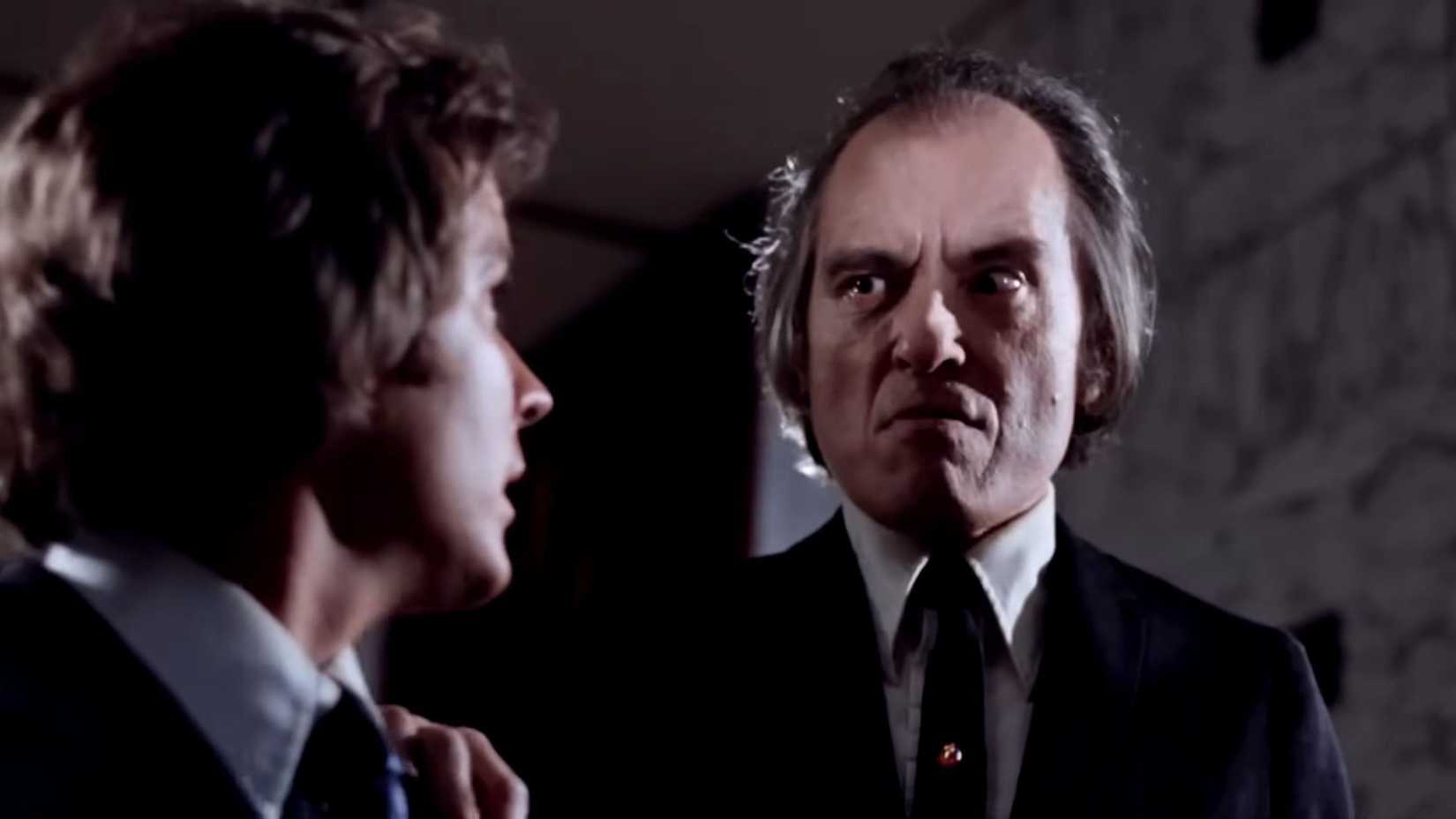
Don Coscarelli’s film Phantasm is a truly original horror movie. It follows a smart teenager in a small town in Oregon who starts to notice odd things happening around him, and he becomes convinced a sinister funeral director is behind it all. What begins as a standard scary story quickly turns into a wildly imaginative and terrifying experience.
I first encountered the Tall Man in Phantasm, and he quickly became one of my favorite horror villains – so many others seem to love him too! What really struck me about the movie was how incredibly imaginative and unpredictable it was; honestly, it felt like watching a nightmare unfold. I also think the setting is brilliant. It takes place in this really ordinary, quiet town, which makes the wild, over-the-top horror even more shocking and effective. The contrast is just perfect.
The Blob (1988)
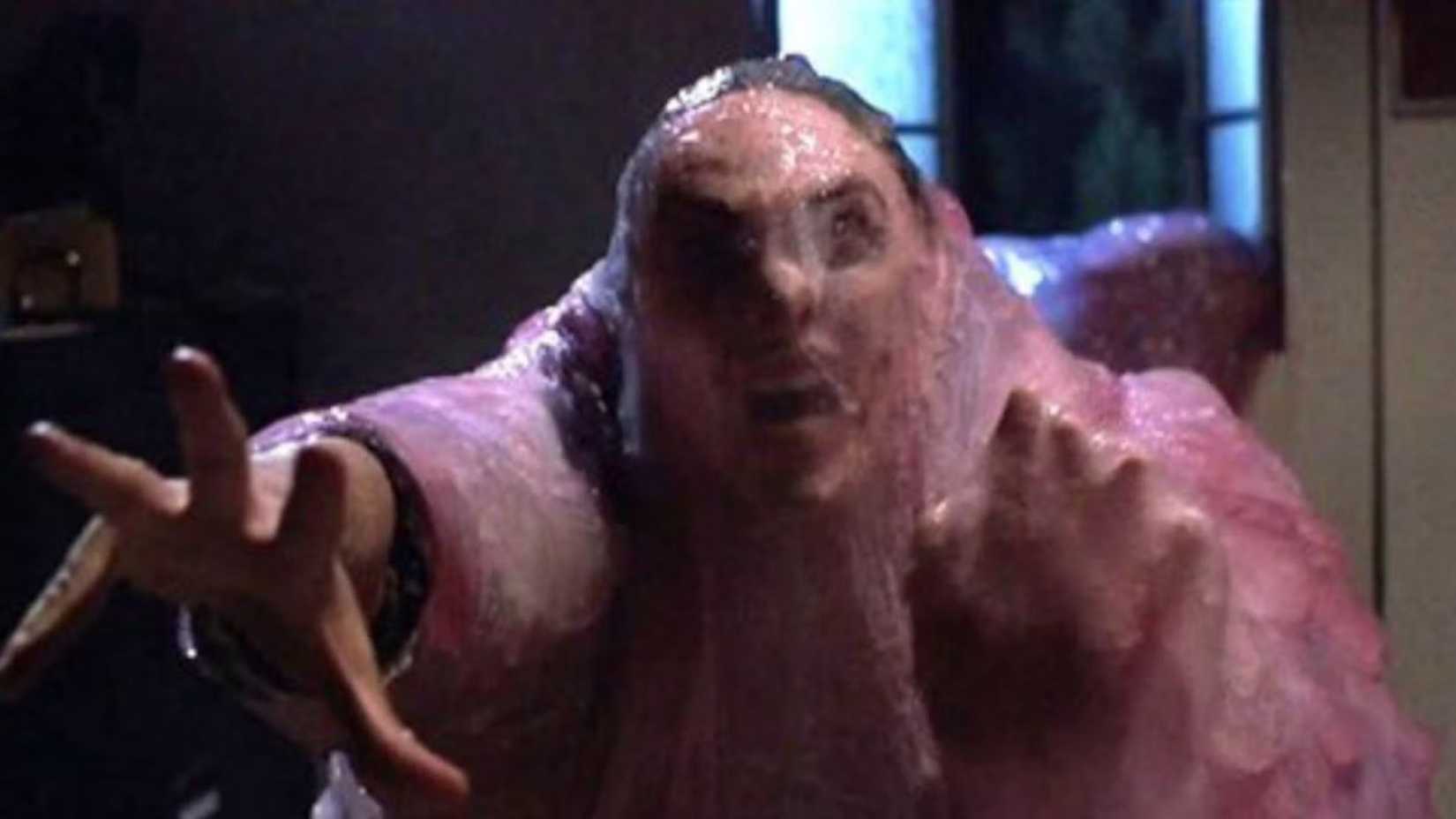
Both the original The Blob and its updated version take place in small towns, but they offer very different experiences. The first film is a charming science fiction story, while the remake is a much more graphic and frightening horror movie. The remake follows the same basic plot – teenagers in a quiet California town encounter a creature that dissolves flesh – but it amps up the scares for a 1980s audience.
The movie is known for its incredibly disturbing and realistic special effects when people are killed, and the remake doesn’t shy away from showing exactly what happens to those affected by the alien goo. Like many films of its kind, The Blob relies on the trope of adults dismissing the warnings of teenagers, who are also treated as outcasts in their own community. While the story could have been set anywhere, the filmmakers made a smart choice by placing it in a small town, which makes it even more unsettling.
Salem’s Lot (1979)
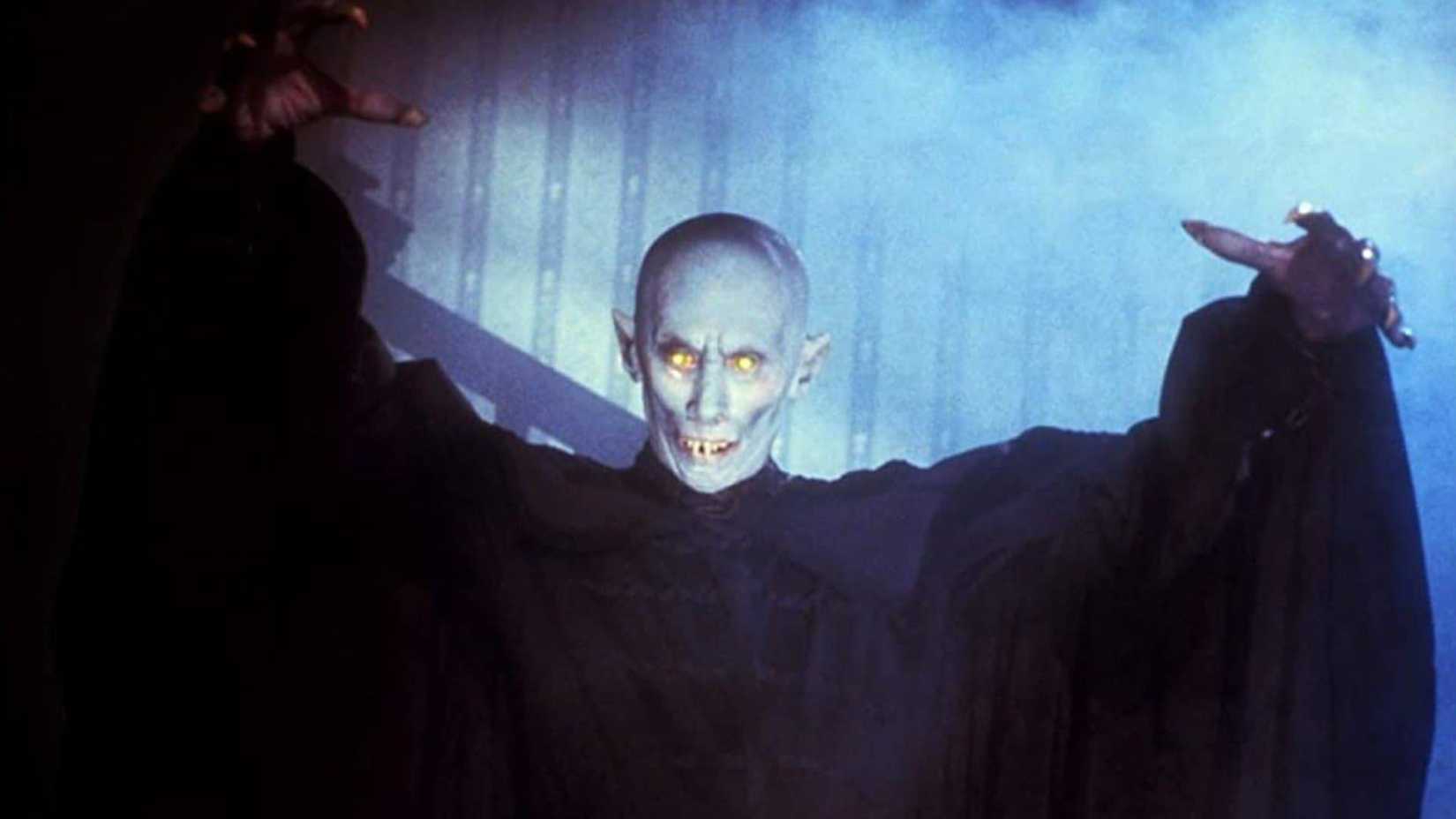
Tobe Hooper’s film version of Stephen King’s Salem’s Lot is considered one of the strongest early adaptations of his writing. The story follows a writer who goes back to his peaceful hometown to write a book, but he soon discovers an ancient vampire is secretly taking control. Despite being made for television, Salem’s Lot is a surprisingly well-made and chilling Gothic horror story.
The town feels incredibly real, offering both a comforting and insightful look at small-town American life. While it updates the classic vampire story in exciting ways, it also feels like a return to familiar territory—and the scene with the window is arguably one of the most terrifying moments ever filmed in the vampire genre. At its heart, Salem’s Lot is a story about the decline of small-town America during the 1970s.
The Fog (1980)
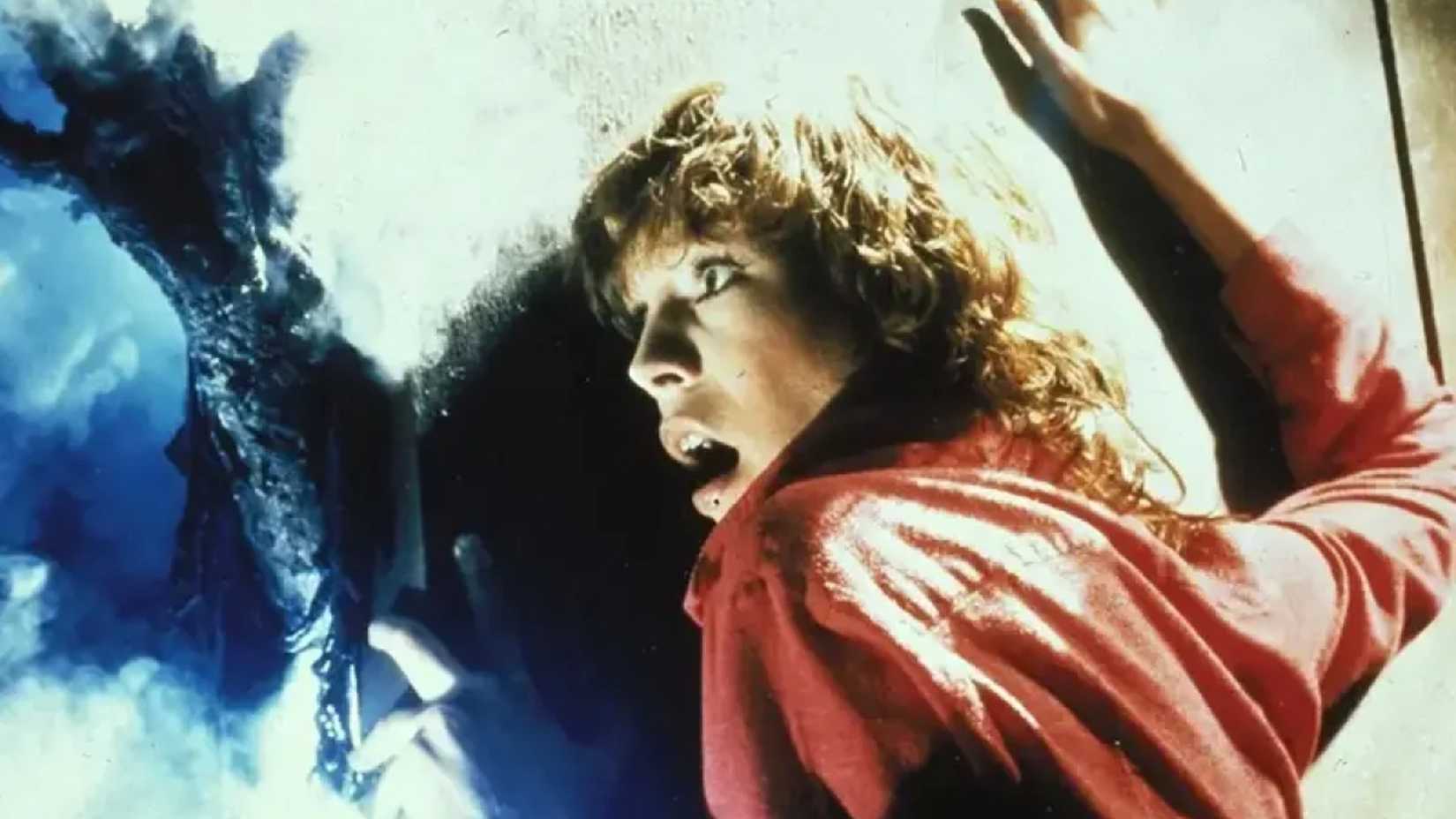
Following the success of his film Halloween, John Carpenter once again created a terrifying atmosphere in a small town with The Fog. This time, a beautiful coastal town in California is enveloped in a dense fog, forcing its residents to confront a hidden and unsettling past. From its chilling opening narration to its suspenseful conclusion, The Fog remains a beloved and iconic horror story.
As a huge horror fan, this film really reminded me of those classic Victorian ghost stories, but with a genuinely unsettling modern edge. What I loved most was how it subtly dismantles the picture-perfect facade of small-town America, revealing the dark secrets hidden beneath its history. It’s not a jump-scare fest; it’s a slow burn that builds and builds to a truly fantastic climax. Honestly, The Fog prioritizes creating a chilling atmosphere above all else, and it absolutely nails it.
Sleepy Hollow (1999)

Washington Irving’s “The Legend of Sleepy Hollow” is a classic early American ghost story. Tim Burton’s 1999 movie version made the tale even more frightening. The story follows Ichabod Crane, a police officer from New York City, as he arrives in Sleepy Hollow to solve a series of mysterious killings. The Headless Horseman is a famous and terrifying villain in both the original story and the film.
Tim Burton’s unique style is on full display in Sleepy Hollow, which emphasizes the darker, more violent aspects of the original tale. As with many horror stories set in small towns, things aren’t what they appear to be in Sleepy Hollow. The use of small towns as settings for horror goes all the way back to American stories from the early 1800s.
Scream (1996)

In the 1990s, the horror genre was struggling to reinvent itself, and Wes Craven responded with the clever and self-aware film, Scream. The movie takes place in the seemingly peaceful town of Woodsboro, which is terrorized by a masked killer fascinated with horror movies. By 1996, the familiar story of a killer haunting a small town had become predictable, so Scream cleverly flipped that trope on its head.
Despite its scary moments, Scream is surprisingly funny. It’s packed with references to classic horror movies, almost to the point of being a satire. The town of Woodsboro is meant to feel like any American town, but it’s also clearly a glamorous, exaggerated California suburb. While the series has moved on since then, the original Scream wouldn’t have been as effective without that setting.
A Nightmare On Elm Street (1984)

I absolutely love how A Nightmare on Elm Street often gets overshadowed by Freddy Krueger’s huge popularity! It’s easy to forget what a genuinely creepy, small-town horror story it is at its heart. The way the teens start dying in their sleep is terrifying, and Nancy’s realization that a killer is hunting them in their dreams is brilliant. What really sets it apart from other slasher films, though, is its imagination. Wes Craven didn’t rely on simple scares; he created something truly unique and unsettling.
Robert Englund’s portrayal of Freddy Krueger is iconic, and his charm actually made the character even more frightening. The film attempts to depict Southern California as a small Midwestern town, but this doesn’t quite work. Despite this, A Nightmare on Elm Street shares a common theme with many small American towns: a story about the loss of innocence and the breakdown of community ideals.
Halloween (1978)
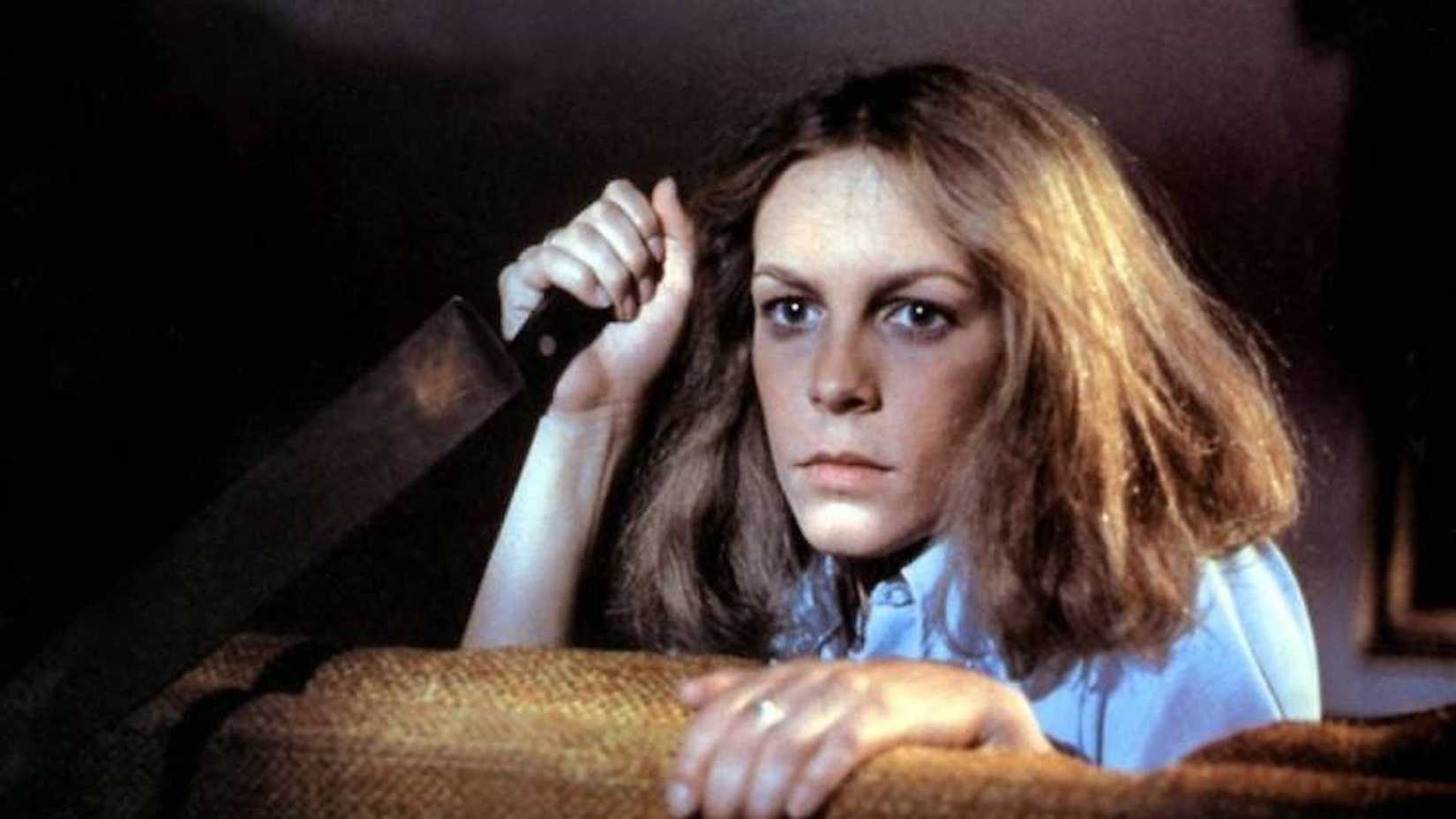
In the 1970s, as people across middle America grew increasingly worried about random acts of violence, John Carpenter tapped into that national anxiety with his film Halloween. The movie follows Michael Myers, who escapes from a mental institution years after killing his sister and returns to his hometown of Haddonfield, Illinois, to kill again. While not the first slasher film, Halloween is widely considered the movie that popularized the genre and launched its golden age.
South Pasadena, California, effectively recreates the feel of a typical American small town, though it’s presented in a slightly enhanced way to emphasize the film’s themes. The atmosphere is consistently suspenseful, and watching Michael Myers move through the charming streets remains frightening for audiences. Halloween isn’t just a masterful horror film; it’s a perfect example of a horror story set in a small town.
Read More
- Invincible Season 4 Episode 4 Release Date, Time, Where to Watch
- How Martin Clunes has been supported by TV power player wife Philippa Braithwaite and their anti-nepo baby daughter after escaping a ‘rotten marriage’
- Beyond Accuracy: Gauging Trust in Human-AI Teams
- Gold Rate Forecast
- Clash Royale Balance Changes March 2026 — All Buffs, Nerfs & Reworks
- CookieRun: OvenSmash coupon codes and how to use them (March 2026)
- eFootball 2026 is bringing the v5.3.1 update: What to expect and what’s coming
- Roco Kingdom: World China beta turns chaotic for unexpected semi-nudity as players run around undressed
- Charlie Day Confirms What Always Sunny Scene Is His Career Highlight
- We talked to ‘Bachelorette’ Taylor Frankie Paul. Then reality hit pause on her TV career
2026-02-17 21:03