The 1980s were a golden age for comic book fans. Groundbreaking stories like The Dark Knight Returns, Watchmen, and Saga of the Swamp Thing became incredibly popular, bringing comics back into the mainstream after decades. These timeless stories not only revitalized the industry but also introduced a wealth of memorable new characters, helping comics reach their highest point of success, from the biggest heroes at Marvel and DC to independent favorites.
The 1980s are still remembered as a fantastic time for American pop culture, largely because the decade was all about excitement, imagination, and wanting to escape reality. This is clearly reflected in the memorable heroes and villains of that era, and you can still see its influence in today’s popular comics.
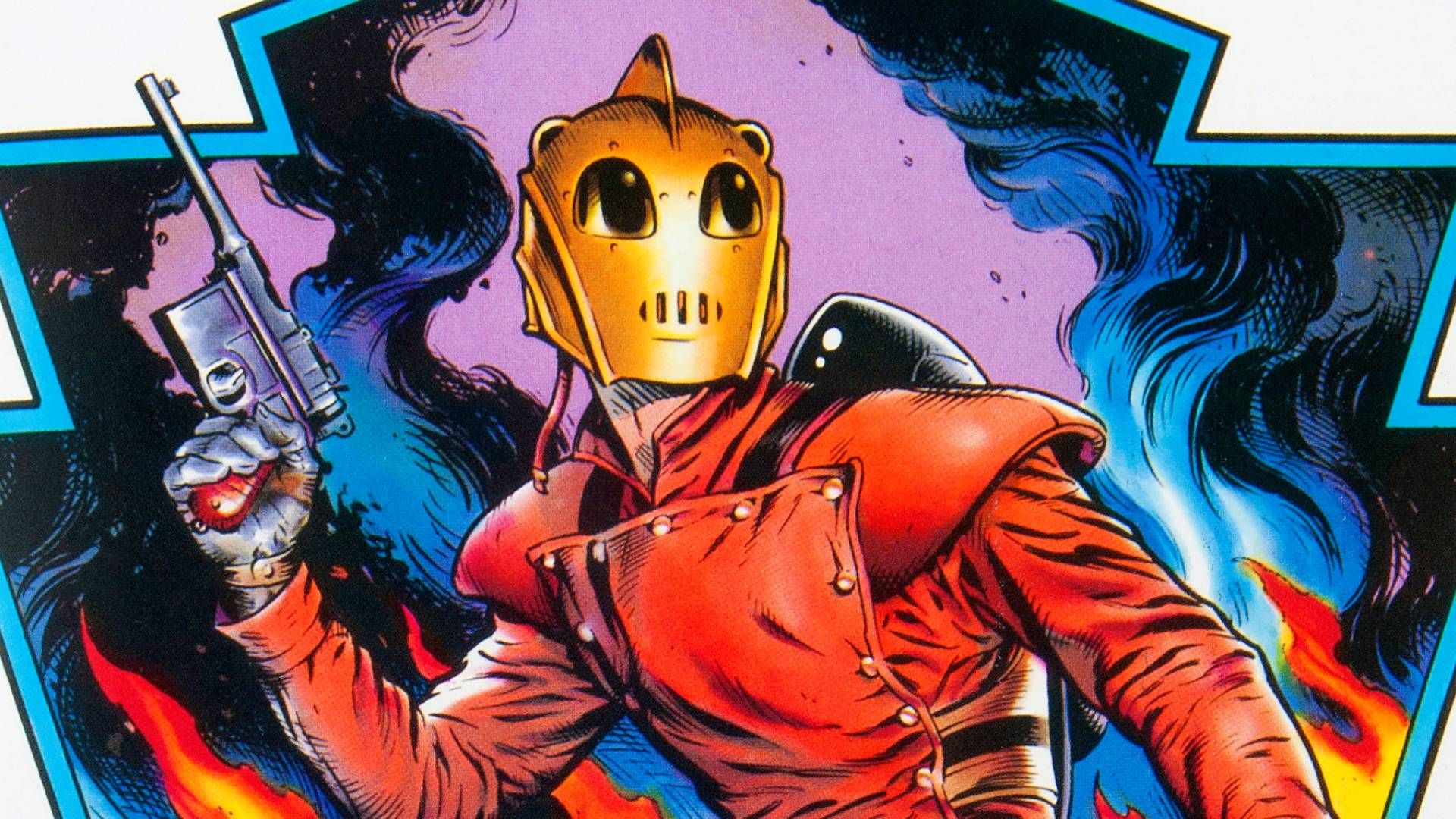
Dave Stevens first introduced the world to the Rocketeer in the comic Starslayer #2 in 1982, as a tribute to classic adventure stories. The hero, Cliff Secord, is a race car driver who finds a jetpack and uses it to defend Los Angeles from various dangers. Over time, fans have seen him fight enemies ranging from criminals to dinosaurs, always with the support of his girlfriend, Betty.
The Rocketeer perfectly embodies the exciting spirit of classic pulp adventures. He’s a hero consistently dedicated to doing what’s right and helping those in need. Unlike many modern comics, his stories are straightforward and full of adventure, making him a truly escapist and inspiring character for readers.
After the Crisis On Infinite Earths event, DC Comics introduced a new generation of heroes, including Booster Gold. Originally from the 25th century, Booster Gold came to the present day hoping to become famous and wealthy. He’s joined by his robotic assistant, Skeets. However, his attention-seeking behavior frequently clashes with the more grounded approaches of heroes like Batman and Superman.
Booster Gold, a strong believer in capitalism within the DC Universe, often seems like all flash and no substance. He’s constantly protecting his public image, but surprisingly, he’s incredibly brave and will do what’s right even if it harms his reputation. He’s a surprisingly relatable character, embodying the spirit of the 1980s – a mix of celebrity obsession and a focus on personal gain – all while trying to be a hero.
Walt Simonson’s run on Thor started with a surprising move: sending the God of Thunder into space to investigate a new starship and its mysterious passenger, Beta Ray Bill. This powerful warrior quickly became popular with readers as a compelling, somewhat darker counterpart to Thor. Beta Ray Bill continued to appear in stories set among the stars, fighting creatures across the galaxy as he tried to regain his original appearance.
Beta Ray Bill has become a compelling character in the Marvel Universe, constantly striving to step out from under Thor’s shadow and define his own identity. As an alien who shares many of Thor’s heroic qualities, but faces a more difficult journey, stories like the miniseries by Daniel Warren Johnson demonstrate just how captivating he is.
The era introduced many new heroes, and Kitty Pryde quickly became a fan favorite. As a mutant who can walk through walls, her character represented a more realistic and relatable style of storytelling. Eventually becoming the leader of the X-Men, she embodies bravery, kindness, and smarts.
Kitty Pryde is a remarkably relatable character, often feeling like a friend to readers and becoming a central figure in X-Men comics during the 1980s. She embodies Stan Lee’s vision of connecting the X-Men to the real world, acting as a bridge between mutants and humans. Shortly after Kitty joined, Rogue became another iconic member of the team, and both characters defined the X-Men’s image for that decade.
Comics have a long history of parody, with examples like ‘The Inferior Five’ and Garth Ennis’ ‘The Boys’ playfully mocking different genres. In 1986, Ben Edlund created one of the most overlooked superhero satires with ‘The Tick.’ It began as a simple character for a comic store’s newsletter, created by Edlund when he was just 18, and quickly grew into a continuing story.
The Tick was a lot like Deadpool, but he actually appeared ten years earlier. He’s a superhero who exaggerates everything, often stumbling into trouble. This strong and good-hearted character fights a wide range of bizarre villains, and hilariously satirizes other famous heroes like Batman and Superman.
The 1984 storyline Secret Wars, created by Jim Shooter, Mike Zeck, and John Beatty, dramatically changed Spider-Man by introducing a black costume, replacing his traditional red and blue. When the story ended, artist Todd McFarlane explained the suit’s origin: it was actually a living alien symbiote that would later bond with Eddie Brock and become Venom, one of Spider-Man’s most iconic foes. Venom would eventually develop into a complex antihero within the Marvel Universe.
As a huge fan, I’ve always been fascinated by this character – a total monster who’ll do whatever it takes, whether it’s for some noble reason or just because he’s hungry! He’s awesome when he’s on the good side, but let’s be real, he was absolutely terrifying when he was Spider-Man’s enemy. Seriously, when you think about villains from the ’80s, nothing else even comes close to how scary this symbiote was.
In 1986, Alan Moore revolutionized superhero comics with Watchmen, a story that took apart the traditional superhero concept. The team was inspired by characters DC Comics had recently acquired. One of the most compelling figures was Rorschach, a masked vigilante who investigated the killings of several former heroes. Rorschach was a man with a rigid, uncompromising moral code, and his intense pursuit of justice and truth often led him to extreme measures. He’s often described as a far-right character due to his strict beliefs.
Rorschach, created by Alan Moore, was designed as a reimagining of the Batman figure. Moore removed most of the heroic qualities, leaving a stark, uncompromising vigilante. Ironically, the traits Moore disliked – Rorschach’s lack of compromise – resonated with a huge audience, making him a popular antihero who wouldn’t back down, even when facing total destruction.
In the 1980s, DC Comics greatly expanded its space-themed stories, and the series Omega Men, by Roger Slifer and Keith Giffen, is a prime example. This is where readers first met Lobo, the Last Czarnian—a wild, violent, and foul-mouthed bounty hunter who travels the galaxy causing trouble. Initially presented as a typical villain, Lobo’s early appearances laid the groundwork for him to become one of DC’s most iconic and humorous characters.
Lobo, DC’s version of a rebellious, wisecracking hero like Deadpool, really came into his own in the 1990s. When Keith Giffen revisited the character, he created a famously tough and funny antihero who perfectly captured the spirit of ’90s comics. While he’s now often seen as a playful rival to Superman, it’s always fun to see this chaotic bounty hunter return to Earth, bringing both laughs and trouble.
Alan Moore’s run on “Saga of the Swamp Thing” famously introduced John Constantine, a gritty and skeptical occult detective. Originally from Liverpool, Constantine quickly became popular for his darker take on magic within the DC universe, battling demons and other supernatural threats. He eventually starred in his own series, Hellblazer, published under DC’s Vertigo imprint, where his unique blend of horror and dark humor truly flourished.
John Constantine is a compelling character because he’s deeply flawed, constantly battling his own selfish impulses while still striving to do the right thing. He’s one of the DC Universe’s most intricate heroes, and audiences are drawn to watching him struggle with his inner demons and find a way to prevail. Unlike traditional heroes, Constantine offers a cynical and realistic view of the world, acknowledging its harsh realities.
In 1984, the Teenage Mutant Ninja Turtles burst onto the scene and revolutionized independent comics. Originally created as a playful take on Frank Miller’s Daredevil, the story centers around four turtle brothers who are transformed into human-like figures after an encounter with radioactive waste. Guided by their sensei, Splinter the rat, they become skilled martial artists and dedicate themselves to protecting New York City from the villainous Foot clan.
The Teenage Mutant Ninja Turtles quickly became one of the most popular creations of the 1980s independent comic book scene, and their cartoon series helped make them even more beloved. A key to their appeal is that each turtle has a distinct personality, letting fans easily find a favorite. With continued success, like the popular story The Last Ronin, the TMNT remain a charming and relatable force in independent comics, thanks to their humor and strong family bonds.
2026-05-29 04:11